Why Use Animal Healthcare Syringes for Veterinary Care?
A veterinary syringe may look like a small tool, but its details shape everyday care. Clear graduations help a clinician measure a prescribed dose. A secure plunger supports controlled delivery. The right needle size can reduce tissue trauma when selected for the animal and procedure. Small choices matter.
Animal-welfare expert Temple Grandin has said, “Nature is cruel, but we don’t have to be.” Her words are not about syringes specifically, but they offer a useful standard for veterinary care: make necessary treatment as calm and considerate as possible. An Animal Healthcare Syringe can support that goal when it is appropriate for the medication, dose, and patient. A nervous dog may need gentle restraint and a quiet room; a small cat may require careful dose measurement. Technique matters, too.
Yet equipment alone cannot ensure good care. A syringe does not replace veterinary judgment, correct dosing instructions, or proper training. Nor does a convenient design make every product suitable for every animal. That deserves a second look. Clinicians should check markings, material compatibility, and product condition before use, then follow applicable disposal guidance. A brief pause to verify the dose can prevent a costly mistake. These practical details are easy to overlook during a busy appointment. This introduction explores how syringe design, handling, and clinical decisions work together to support safer, more reliable veterinary treatment.
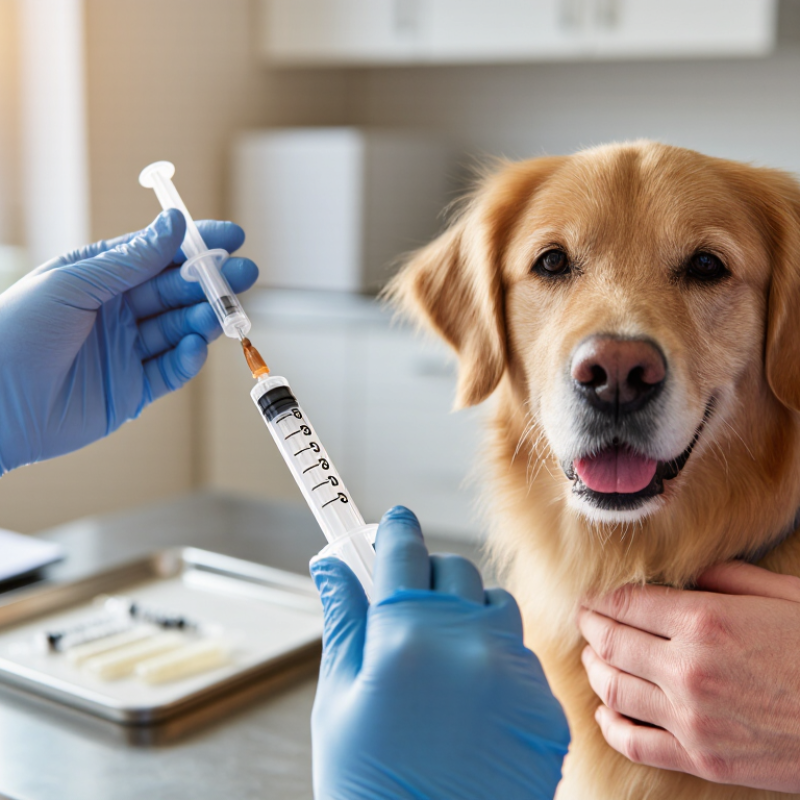
What Animal Healthcare Syringes Are and How They Work
Animal healthcare syringes are devices for measuring and delivering fluids or medicines to animals. A typical syringe has a clear barrel, marked measurement lines, and a plunger that moves inside it. Some models have a needle; others connect to a feeding tube or another device. The right setup depends on the animal, the medicine, and the route prescribed by a veterinarian.
Here is how it works. The plunger draws liquid into the barrel, while the markings help the caregiver check its volume. Pressing the plunger gently pushes the liquid through the tip. Small details matter: air bubbles can affect a measurement, and a loose connection can leak. Check the markings at eye level. It sounds simple, but rushing can lead to mistakes.
Syringe size and tip design vary, so use the device recommended for the specific treatment. A syringe used to give medicine by mouth is not automatically suitable for injection. Follow the veterinarian’s instructions and the product directions, including guidance on disposal or cleaning. When a reading is unclear, pause and ask. Guessing is not good care. Even experienced handlers can find an unfamiliar syringe awkward, especially when an animal is moving, so steady handling and a calm setting help.
How Syringes Help Deliver Accurate Veterinary Doses
Accurate dosing begins with choosing a syringe suited to the prescribed volume and route. A capacity close to the dose can make small graduations easier to read. Check that the scale uses the same units as the veterinary instructions, such as milliliters. Never guess.
Before drawing a medicine, confirm its name, concentration, and written directions. Different concentrations may require different volumes, even when the medicine name is the same. Hold the syringe at eye level and align the liquid with the marked line. Check for air bubbles or leaks. For oral medicine, use an oral dosing syringe and follow the veterinarian’s guidance for giving it gently. Slowly, not forcefully.
For injections or other procedures, follow the veterinarian’s training and the device instructions. A syringe alone does not make a procedure safe. Keep it clean, and use a new one when instructed. After dosing, record the time and amount to help prevent accidental repeat doses. Still, routines can fail: fatigue, a faint scale, or a wriggling animal can distract even careful caregivers. If the dose is unclear, pause and contact the veterinary clinic rather than estimating.
Why Use Animal Healthcare Syringes for Veterinary Care?
How syringe measurement increments can affect dose accuracy
The chart shows the calculated relative impact of a 0.1 mL measurement difference at several dose volumes. For example, 0.1 mL is 20% of a 0.5 mL dose, but only 2% of a 5 mL dose. This is an illustrative calculation, not a claim about syringe accuracy. Selecting a syringe with clear graduations suited to the prescribed volume can help caregivers measure doses more precisely. Always follow veterinary instructions.
Which Veterinary Treatments Require Syringes
Animal healthcare syringes help veterinarians deliver measured doses when a treatment requires liquid medication. Vaccines and many prescribed medicines are given by injection, while liquid medicines may be measured for oral use. The route matters. A needle-free syringe can help place medicine gently into a pet’s mouth, but forcing liquid may cause distress or choking.
Syringes are also used for prescribed fluid therapy, including fluids given under the skin or into a vein. These procedures require veterinary guidance; the fluid, volume, equipment, and technique depend on the animal’s condition. For diabetic pets, a veterinarian may teach an owner to measure insulin accurately. Small details matter. The syringe markings must match the prescribed dose.
An animal’s size, medicine thickness, and injection site can affect syringe selection. A tiny kitten needs different equipment from a large dog. If a dose is unclear, pause and contact the clinic rather than estimate. Even careful caregivers can misread small markings, so good lighting and a calm setup help. Disposable syringes should not be reused.
How to Select and Handle Veterinary Syringes Responsibly
Choose a syringe by dose, route, animal size, and the treating veterinarian’s instructions. A small-volume syringe can make tiny doses easier to measure, while a larger barrel may suit higher volumes. Check that graduations are clear and fine enough for the prescribed amount. Needle length and diameter also matter; the correct choice depends on the animal, injection site, and medication. Do not guess when instructions are unclear. Ask the veterinary team.
WHO’s 2016 guideline on safety-engineered syringes notes that about 16 billion injections are given worldwide each year. That figure covers human healthcare, not veterinary care, but it underlines why careful handling matters.
Keep the work area clean, inspect packaging and equipment, and use a new sterile needle and syringe when required by the veterinarian. Never share or reuse disposable equipment. After use, place sharps directly into an approved puncture-resistant container, following local disposal guidance. No loose needles on the table. Even skilled handlers can rush; pause to confirm the dose, keep the animal securely and calmly positioned, and record the treatment. WHO’s guidance is not a substitute for veterinary protocols, and product instructions can vary.