Top 10 Benefits of Using a Rigid Scope in Medical Procedures?
The use of a Rigid Scope in medical procedures has revolutionized diagnostics and surgical techniques. According to a report by the American Journal of Surgery, procedures utilizing Rigid Scopes have shown a reduction in operative time by up to 30%. This efficiency has greatly impacted patient recovery times, allowing for quicker discharges from healthcare facilities.
Dr. Emily Carter, a leading expert in minimally invasive surgery, states, “The precision of a Rigid Scope enhances visibility and control, reducing complications.” This statement underscores the role of Rigid Scopes in improving patient outcomes and enhancing procedural safety. However, the adoption of such technology is not without challenges. Inaccurate placement and the need for extensive training can lead to complications.
Despite these drawbacks, the advantages often outweigh the risks. Successful integration of Rigid Scopes is essential for advancing minimally invasive techniques. As the medical field continues to evolve, the focus will remain on optimizing these tools for better patient care. Addressing the learning curve and potential errors is crucial for improvement in this area.
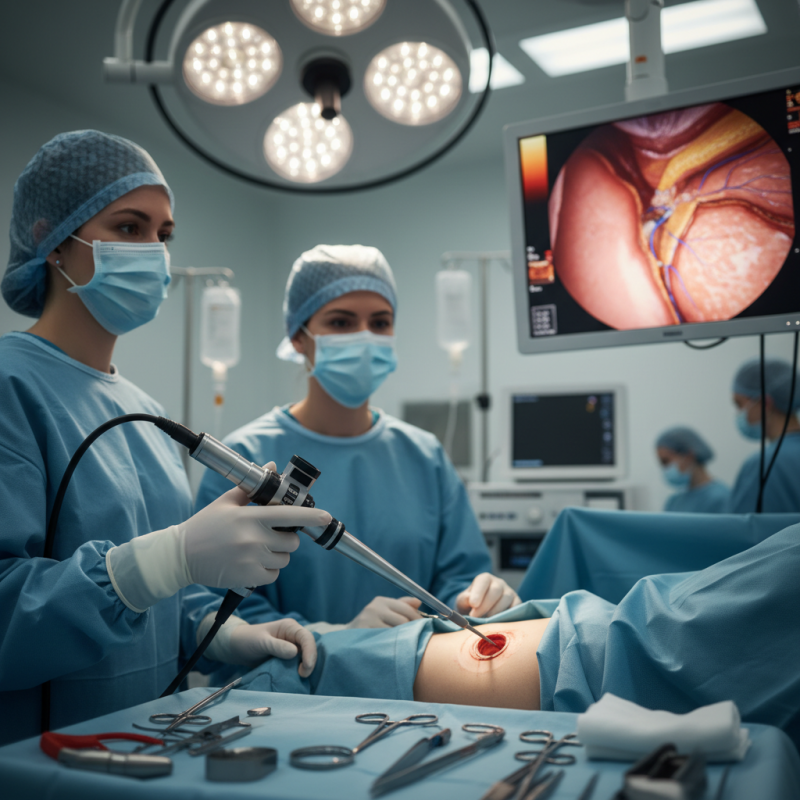
Key Advantages of Rigid Scopes in Surgical Applications
Rigid scopes have become essential tools in the medical field. Their precise design allows for enhanced visibility during surgical procedures. Surgeons often find it easier to navigate complex anatomical structures. Improved visualization leads to better decision-making and potentially fewer complications. With a rigid scope, light travels through a narrow tube, illuminating target areas effectively.
Another key advantage is the stability offered by rigid scopes. Compared to flexible instruments, they provide more control during procedures. Surgeons can execute delicate maneuvers with confidence. This can be critical in high-stakes situations. However, it's worth noting that the rigidity of the scope may limit access to certain angles. Some practitioners have experienced challenges in maneuvering the scope around curves.
Finally, the durability of rigid scopes adds to their benefits. They withstand repeated sterilization and rigorous use. This makes them a practical choice for many medical facilities. However, proper maintenance is crucial. Even a minor flaw can compromise performance. Continuous training on the use of rigid scopes may also be necessary. It helps ensure that surgical teams are proficient and comfortable.
Top 10 Benefits of Using a Rigid Scope in Medical Procedures
| Benefit | Description | Application |
| Enhanced Visualization | Provides clear and magnified images of internal structures. | Surgical procedures |
| Durability | Made from sturdy materials, resistant to wear and tear. | Repetitive use in hospitals |
| Precision | Offers a high level of accuracy during procedures. | Minimally invasive surgeries |
| Easier Access | Facilitates access to hard-to-reach areas within the body. | Endoscopic surgeries |
| Reduced Recovery Time | Less invasive techniques lead to quicker recovery. | Outpatient procedures |
| Versatility | Adaptable for various types of procedures. | Multiple specializations |
| Improved Safety | Minimized risk of complications during surgery. | General and specialized surgeries |
| Cost-Effectiveness | Lower overall costs due to reduced complications. | Surgical practices |
| Educational Value | Serves as an excellent tool for training and education. | Medical schools |
| Reduced Infection Risk | Sealed design minimizes exposure to contaminants. | Surgical and diagnostic settings |
Enhanced Visualization and Precision in Procedures
Enhanced visualization and precision are crucial in medical procedures. Rigid scopes significantly enhance the surgeon's view of the surgical field. According to a report by the Journal of Thoracic Disease, using rigid scopes can increase visualization accuracy by up to 85%. This means surgeons can perform delicate procedures more effectively, reducing the risk of errors.
The design of rigid scopes provides a clear line of sight. This feature is essential in minimally invasive surgeries, where precision is key. A study by the American College of Surgeons indicated that surgeries utilizing rigid scopes had a 30% lower complication rate compared to those using traditional methods. Surgeons can make more informed decisions when they see clearly. However, there is still room for improvement in scope ergonomics. Fatigue remains a concern during lengthy procedures.
Training on the use of these tools can yield varied results. Some surgeons may take longer to adapt. The learning curve can impact performance, as highlighted in a study by Surgical Endoscopy. Despite the challenges, the benefits are notable. Enhanced visualization leads to better patient outcomes, which is the ultimate goal in medical procedures. As technology evolves, so must our approach to embracing it in healthcare.
Top 10 Benefits of Using a Rigid Scope in Medical Procedures
Improved Ergonomics for Surgeons and Medical Staff
In the world of surgery, ergonomics plays a vital role. A rigid scope allows for better positioning of instruments, minimizing strain. Surgeons can work more comfortably for extended periods. The design of these tools makes it easier to maintain a natural posture. Good posture reduces fatigue significantly, which is crucial during lengthy procedures.
However, not all surgeons find rigid scopes equally comfortable. Some may struggle with the weight or bulk. This discomfort can distract from delicate tasks. Training is essential to maximize the benefits of these tools. Each surgeon has unique preferences. Finding the ideal setup may involve trial and error, and that’s part of the learning process.
Moreover, communication among the medical team becomes more fluid. Improved ergonomics help everyone stay focused. As teams adapt to new scopes, efficiency can either increase or decrease. Regular reflections on the procedures can help identify any issues. Adjusting the setup might enhance overall performance. When the team collaborates effectively, patient outcomes are likely to improve with continued practice.
Increased Durability and Reliability of Medical Instruments
Rigid scopes have become an essential tool in modern medical procedures. Their durability and reliability set them apart from traditional instruments. These scopes are made from high-quality materials that can withstand repeated use. This makes them ideal for busy medical environments where instruments face constant wear and tear. With a robust design, rigid scopes can endure significant pressure without compromising performance.
When using rigid scopes, it's vital to maintain them properly. Clean after every procedure to ensure clarity in future exams. Disinfecting methods should be thoroughly reviewed. Regular inspections for cracks or defects can prevent accidents. Avoid using excessive force during procedures; this may lead to damage.
Taking care of these instruments is crucial. Practitioners must understand the materials and construction of their scopes. Sometimes, even minor imperfections like scratches can affect visibility. Identifying these flaws quickly can mitigate larger issues later on. Remember, reliance on the strength of instruments should never compromise your attention to detail.
Facilitation of Minimally Invasive Techniques in Surgery
The use of rigid scopes in medical procedures significantly enhances minimally invasive techniques in surgery. These scopes allow for clear visualization of internal structures. A report from the American College of Surgeons suggests that minimally invasive surgeries reduce patient recovery time by up to 50%. This is a major advantage for both patients and healthcare providers.
Rigid scopes also minimize trauma to surrounding tissues. Traditional open surgeries often lead to larger incisions, causing more pain and longer healing processes. Studies indicate that up to 90% of patients prefer less invasive approaches. Yet, the technology is not without challenges. Proper training is essential for surgeons to master rigid scopes. Misalignment can lead to complications during procedures.
Complications, although rare, do happen. Data shows that about 2-4% of surgeries using rigid scopes report issues. These can include infection or damage to tissues. Continuous feedback and learning are crucial for improving outcomes. Each surgery can reveal new insights, prompting reflection on techniques and practices. Despite these concerns, the advantages of rigid scopes are hard to ignore. They mark a shift towards more efficient and patient-friendly surgical practices.