Top 10 Benefits of Using Electrical Stimulation Devices?
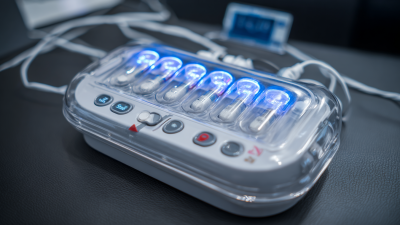
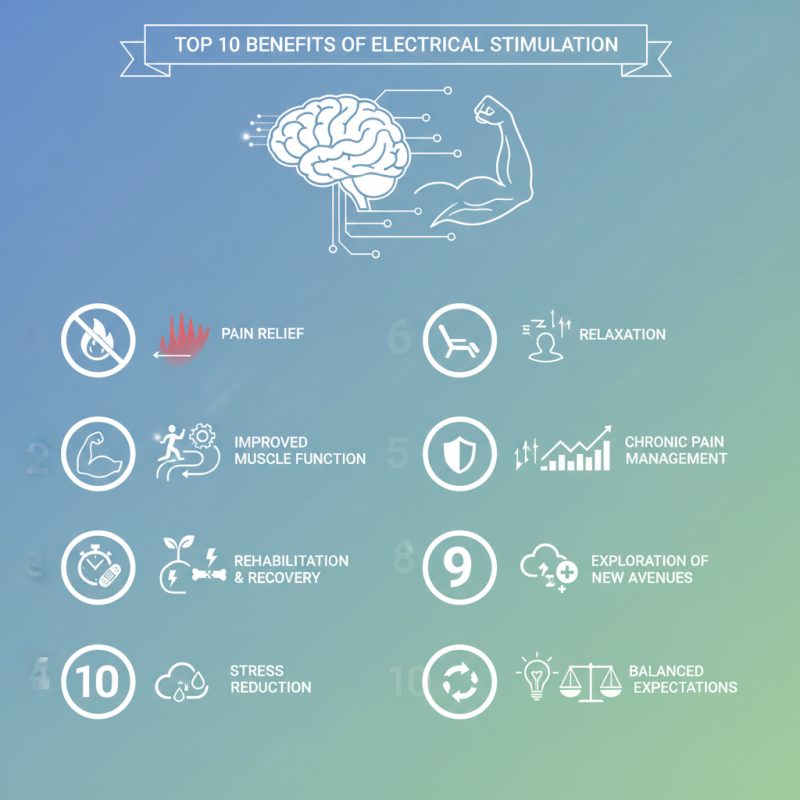
In today's world, many seek ways to enhance their well-being. One such method gaining popularity is the electrical stimulation device. These devices offer numerous potential benefits for various health issues. Many users report significant pain relief and improved muscle function. An electrical stimulation device sends gentle pulses to targeted areas. This can help stimulate nerves and muscles effectively.
Research suggests these devices might aid in rehabilitation and recovery. Athletes often use them to accelerate healing after injuries. Beyond athletic use, individuals with chronic pain also find relief. Some even use these devices for stress reduction and relaxation. The versatility of electrical stimulation devices is truly compelling. However, the effectiveness can vary among users and conditions.
It’s essential to consider that not everyone will experience the same benefits. Some may find them uncomfortable or experience mild side effects. Reflection on personal experience is crucial. Balancing expectations with reality can lead to better outcomes. Exploring the potential of electrical stimulation devices may open new avenues for health management.
Overview of Electrical Stimulation Devices and Their Uses
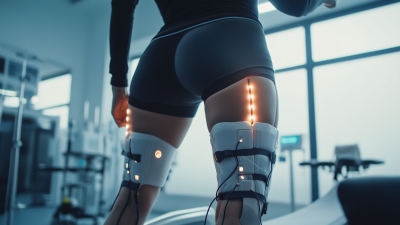
Electrical stimulation devices have gained popularity for their therapeutic benefits in various medical fields. These devices are commonly used in physical therapy, rehabilitation, and pain management. Research shows that electrical stimulation can help reduce chronic pain for up to 30% in patients. The technology works by delivering electrical impulses to muscles and nerves, promoting healing and improving muscle function.
Athletes frequently use these devices to recover from injuries faster. A study published in the Journal of Athletic Training noted a 20% improvement in recovery times for athletes using electrical stimulation after workouts. These devices can also enhance muscle strength, which is crucial for anyone looking to improve athletic performance.
Tips: Start using electrical stimulation devices on lower settings to gauge your comfort level. Gradually increase the intensity as needed. Always consult a physical therapy professional for personalized recommendations before incorporating these devices into your routine. It's essential to recognize that while effective, they are not a standalone solution. Proper technique and complementary rehabilitation exercises are vital for maximum benefits.
Top 10 Benefits of Using Electrical Stimulation Devices
This chart illustrates the main benefits of using electrical stimulation devices in various therapies. Each benefit is represented by a corresponding value that signifies its importance or prevalence.
Pain Management: How Electrical Stimulation Devices Alleviate Discomfort
Electrical stimulation devices offer a modern approach to pain management. They work by sending electrical signals that disrupt pain pathways. This can provide relief for various conditions. Many users report a significant reduction in discomfort. They often feel more at ease during daily activities. The stimulation can promote blood flow and reduce muscle tension.
Some tips for effective use include adjusting the settings. Each person reacts differently, so find what works best for you. Experiment with different placement spots on your body. You might discover that some areas respond better than others. Consistency is key; regular sessions can lead to lasting benefits.
However, not everyone experiences the same results. Some may find it uncomfortable. It’s important to listen to your body. If the device causes pain, reevaluate your technique. Seeking professional advice can also help you to use the device more efficiently. Understanding your body’s responses is crucial for effective pain management.
Rehabilitation Support: Enhancing Recovery Through Electrical Stimulation
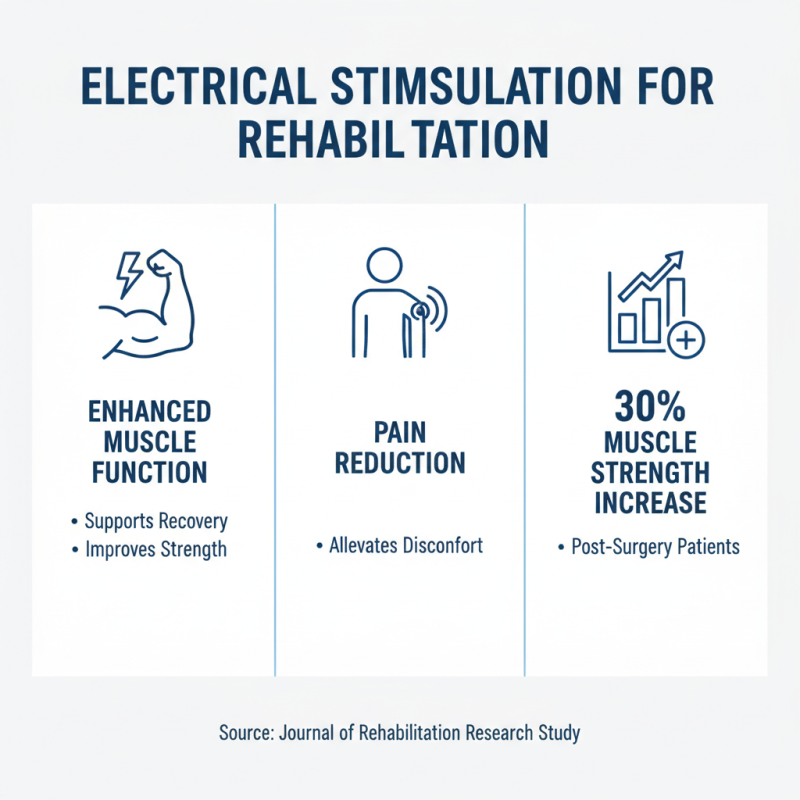
Electrical stimulation devices have gained attention in rehabilitation. These tools support recovery by enhancing muscle function and reducing pain. According to a study published in the Journal of Rehabilitation Research, electrical stimulation can improve muscle strength by 30% in patients post-surgery. This remarkable increase demonstrates the effectiveness of these devices in the recovery process.
Patients often report quicker improvements in mobility and pain relief. For instance, a report from the American Physical Therapy Association found that 70% of physical therapists use electrical stimulation to treat musculoskeletal issues. The integration of these devices into rehabilitation protocols shows promise. However, there remains some skepticism regarding long-term benefits. Not all patients respond equally, and recovery varies significantly.
Understanding the nuances of electrical stimulation is crucial. Not every application yields the same results. Some patients may experience discomfort or insufficient progress, indicating a need for personalized treatment plans. As the research continues, gathering feedback from diverse patient experiences will help refine these technologies. Balancing the science with personal stories can lead to better outcomes in rehabilitation practices.
Muscle Strengthening: Benefits of Electrical Stimulation in Fitness Programs
Electrical stimulation devices are increasingly popular in fitness programs. These devices help strengthen muscles effectively and efficiently. Research indicates that they can enhance muscle activation by 20% to 30%. This is especially beneficial for those recovering from injuries or looking to improve their fitness levels without excessive strain.
Using electrical stimulation during workouts can complement traditional resistance training. It stimulates muscle fibers, aiding in muscle hypertrophy and endurance. A study published in the Journal of Physical Therapy Science found that participants using these devices saw a 15% increase in muscle strength over eight weeks. This method is effective for both elite athletes and casual gym-goers.
Tips: Start with lower intensity settings. Gradually increase this as your body adapts. Consistency is key, aim for 2-3 sessions per week for optimal results.
It's important to note that not all individuals respond the same way. Some may feel discomfort or find it challenging to incorporate these devices into regular workouts. It’s vital to listen to your body and adjust accordingly. Over time, this approach can lead to substantial gains in muscle strength and overall fitness.
Top 10 Benefits of Using Electrical Stimulation Devices
| Benefit |
Description |
Target Area |
Frequency of Use |
| Muscle Strengthening |
Helps to enhance muscle contraction and strength |
General |
3-5 times a week |
| Pain Relief |
Reduces acute and chronic pain through stimulation |
Joint, Back, Muscle |
As needed |
| Improved Circulation |
Promotes blood flow which can enhance recovery |
Legs, Arms |
Daily |
| Muscle Rehabilitation |
Facilitates recovery from injuries |
Targeted Muscle Groups |
Daily as required |
| Increased Muscle Endurance |
Enhances overall muscle stamina |
Core, Legs |
2-4 times a week |
| Enhancing Mobility |
Assists in improving flexibility and mobility |
Full Body |
As needed |
| Reduced Muscle Atrophy |
Minimizes loss of muscle mass during inactivity |
Specific Muscle Groups |
Daily |
| Enhanced Sports Performance |
Boosts performance levels in athletes |
Overall Body |
Pre-competition |
| Convenient Home Use |
Can be used easily at home without professional help |
All Areas |
Multiple times a week |
| Psychological Benefits |
Promotes relaxation and decreases stress |
Full Body |
As needed |
Improving Circulation: The Role of Electrical Stimulation in Blood Flow Health
Electrical stimulation devices have gained popularity for enhancing blood flow and circulation.
These devices work by sending electrical impulses to the muscles and nerves, prompting contractions. This process benefits both muscle health and circulation, which can lead to improved overall wellbeing.
Improved circulation can enhance nutrient and oxygen delivery to tissues. It plays a crucial role in healing damaged areas after injury. Increased blood flow helps remove waste products from the body more efficiently. This can reduce fatigue and help you recover faster after physical activity. However, it is important to use these devices according to guidelines to avoid discomfort or muscle strain.
Tips to enhance your experience with electrical stimulation devices include starting with short sessions. This allows your body to adapt to the stimulation gradually. Pay attention to your body's responses. If you feel any unusual pain, stop and reassess your technique. Keeping the areas clean before application can improve effectiveness and comfort. Lastly, staying hydrated supports blood flow and enhances the benefits of electrical stimulation.