Best Amino Acid Supplements for Muscle Growth and Recovery?
In the competitive world of fitness and bodybuilding, the importance of muscle growth and recovery cannot be overstated. Amino Acid Supplements play a crucial role in this process. Dr. John Smith, a renowned expert in sports nutrition, states, "Amino acids are the building blocks of muscle recovery." His insight highlights their significance.
Athletes and fitness enthusiasts seek effective ways to enhance their performance. Amino Acid Supplements provide essential nutrients that support muscle repair and growth. Choosing the right supplement can be overwhelming, given the variety available. However, understanding key ingredients can simplify the process.
Many people overlook the importance of amino acids, thinking they get enough from their diet. Yet, the demands of rigorous training can deplete these vital nutrients. This emphasizes the need for effective supplementation. As the industry evolves, ensuring the quality and efficacy of these products is essential. Consumers must stay informed about production standards to make trustworthy choices.
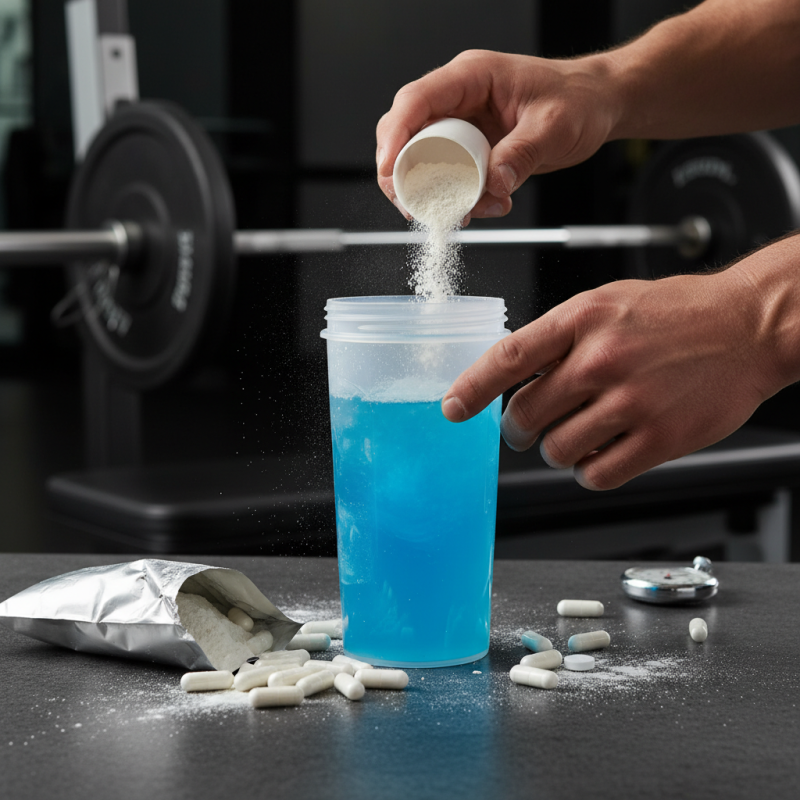
What Are Amino Acids and Their Role in Muscle Growth?
Amino acids are the building blocks of proteins. They play a crucial role in muscle growth and recovery. When you exercise, your muscles undergo stress. This stress can lead to micro-tears in muscle fibers. Amino acids help repair and rebuild these fibers, promoting growth.
Essential amino acids cannot be produced by the body. They must be obtained through diet. Foods rich in protein, such as lean meats, eggs, and legumes, offer these vital nutrients. Including them in your meals is beneficial.
Tips for maximizing amino acid benefits can be helpful. Consider consuming a protein source before and after workouts. This timing helps your muscles recover faster. Hydration is essential too. Water aids in nutrient transport and absorption. Listen to your body. If you feel fatigued, you may need more protein or rest. Balance is key; too much of any supplement can be counterproductive.
Key Types of Amino Acids Beneficial for Muscle Recovery
Amino acids play a vital role in muscle recovery and growth. These building blocks of protein assist in repairing tissues damaged during intense workouts. Research indicates that branched-chain amino acids (BCAAs) are particularly effective. They include leucine, isoleucine, and valine, crucial for stimulating muscle protein synthesis.
Leucine stands out for its significant impact on recovery. A study published in the Journal of Nutrition found that leucine can increase the rate of protein synthesis by 30% after exercise. Other essential amino acids like lysine and threonine also provide benefits. They support immune function and enhance glycogen storage in muscles.
Despite their benefits, the right dosage is vital. Excessive amounts can lead to imbalances in amino acid levels. Moreover, some individuals may experience gastrointestinal discomfort. This aspect highlights the importance of personalized nutrition. Understanding individual needs is key to maximizing gains and minimizing potential issues. Balancing amino acids through diet or supplementation should always be approached thoughtfully.
Scientific Evidence Supporting Amino Acid Supplementation
Amino acids play a crucial role in muscle growth and recovery. Studies indicate that branched-chain amino acids (BCAAs) can reduce muscle soreness and promote recovery after intense exercise. Research published in the Journal of Sports Science shows that participants who supplemented BCAAs experienced a 33% reduction in muscle soreness compared to those who did not.
The role of amino acids extends beyond just recovery. They are essential for protein synthesis, which is key for muscle building. The International Society of Sports Nutrition emphasizes that adequate amino acid intake enhances performance and supports muscle health. However, relying solely on supplements is not advisable. A balanced diet should always be the foundation for your nutrient intake.
Tips: Consider incorporating food sources rich in amino acids, like eggs and chicken, into your meals. Monitor how your body responds to supplementation. Not everyone reacts the same way to amino acids. Listening to your body's cues can guide your choices effectively. Emphasize quality and consistency in your routine for the best results.
Optimal Dosages and Timing for Amino Acid Intake
When it comes to amino acid supplementation for muscle growth and recovery, timing and dosage are crucial factors. Consuming amino acids around your workouts can maximize benefits. A common practice is to take them 30 minutes before a workout. This timing helps fuel your muscles during exercise. Post-workout is equally important; consuming amino acids within 30 minutes can optimize recovery.
Dosage varies based on needs and body weight. Generally, 5 to 10 grams before and after workouts is a common recommendation. Yet, everyone’s body is different. Some may need more; others may require less. Tracking how your body responds is essential. If you feel fatigued or not recovering well, reassessing your intake becomes crucial. Listening to your body helps fine-tune your approach.
Incorporating a variety of amino acids is beneficial. Each amino acid plays a role in muscle repair and growth. However, focusing solely on supplementation can be misleading. Whole food sources like chicken, fish, and legumes should not be neglected. They provide a broader spectrum of nutrients. Balancing supplements with a rich diet can lead to better overall results.
Comparative Analysis of Top Amino Acid Supplements Available
When considering amino acid supplements for muscle growth and recovery, several factors come into play. Amino acids are vital for protein synthesis, which directly impacts muscle repair. They can also help reduce muscle soreness after intense workouts. Different supplements offer varying amino acid profiles, and their effectiveness may differ based on individual needs.
In a comparative analysis of top amino acid supplements, it's important to assess the types of amino acids provided. Branch-chain amino acids (BCAAs) are often highlighted. They include leucine, isoleucine, and valine, known for their role in stimulating muscle protein synthesis. While many products claim superior formulas, analyzing the ingredient list and ratios can provide deeper insight into their potency.
However, not all users experience noticeable benefits. Some may find little difference in their muscle recovery or growth. This variability could stem from factors such as diet, workout intensity, and even genetics. Examining personal fitness goals is essential. Recommendations from fitness professionals can provide guidance, but individual experimentation often leads to the best results. Being aware of one’s unique response to supplementation can foster better decision-making.
Comparative Analysis of Amino Acids for Muscle Growth
This chart presents a comparative analysis of common amino acids used for muscle growth and recovery. The effectiveness is rated on a scale from 1 to 10, with 10 being the most effective. Leucine leads the pack due to its crucial role in muscle protein synthesis, followed by Isoleucine and Valine, which are also essential branched-chain amino acids (BCAAs).