Top 10 Best Mountain Bike Elbow Pads for 2026?

Choosing Mountain Bike Elbow Pads is about more than picking the thickest pair on the shelf. A loose cuff can slide toward the wrist; a bulky shell can catch on a jersey sleeve. On a rocky descent, fit, coverage, ventilation, and freedom of movement all matter. The right pad should stay centered when you bend your arm, reach for the brakes, and shift your weight over the bike.

Reliable evidence also needs careful reading. The U.S. Consumer Product Safety Commission’s National Electronic Injury Surveillance System tracks emergency-department injuries, but it does not establish that a particular elbow pad prevents them. The Outdoor Industry Association’s Outdoor Participation Trends Report offers useful context on outdoor recreation, not a ranking of protective gear. That distinction matters. A sales chart is not a safety test. Nor does a tough-looking shell prove impact performance.

Impact-biomechanics researcher Dr. Andrew McIntosh’s work is a useful reminder to judge protective equipment by how it manages impact, not by appearance alone. This is a paraphrase of his research perspective, not a direct quotation about mountain-bike elbow pads. Some details remain frustratingly hard to compare: brands do not always publish equivalent test results. The picks below weigh fit, coverage, materials, ventilation, and available evidence, while recognizing that no pad can remove every risk. On a warm climb, comfort matters. So does honest doubt.
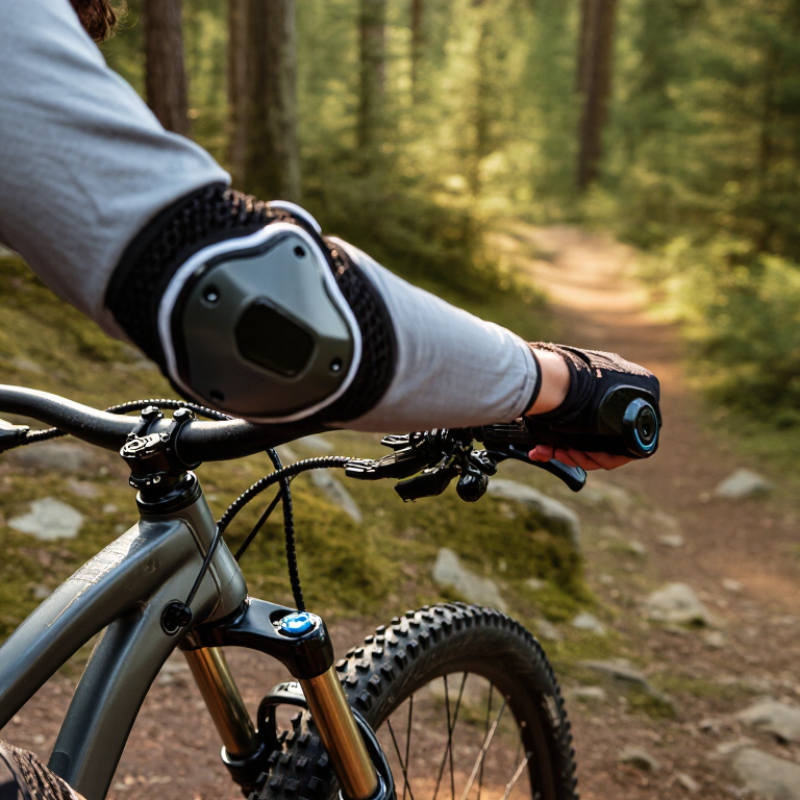
Top 10 Best Mountain Bike Elbow Pads for 2026?

How Mountain Bike Elbow Pads Protect Riders

How Mountain Bike Elbow Pads Protect Riders

A fast trail can turn a small mistake into a hard landing. Elbow pads add a layer between the rider’s skin, bone, and rough ground, helping reduce scrapes and soften some impacts. They cannot prevent every fracture or joint injury. Fit matters. A pad that slips during a fall may leave the elbow exposed. The U.S. Consumer Product Safety Commission’s 2022 NEISS estimates recorded about 425,000 bicycle-related emergency department visits nationwide. That figure covers many types of cycling, not mountain biking alone, and does not measure how well elbow pads work.

Tips: Choose pads that stay centered when you bend and extend your arm. Check the seams and closures, then ride briefly before tackling rough terrain. Look for protectors tested to EN 1621-1, a European impact-protection standard. Its Level 1 limit for transmitted force is 35 kilonewtons; Level 2’s limit is 20 kilonewtons. These are laboratory thresholds, not a promise of injury-free riding.

Comfort is part of protection. If a pad pinches, traps heat, or restricts your grip, you may loosen it—or leave it at home. That trade-off deserves attention. Recheck the fit after washing and replace damaged padding, since worn materials may not perform as intended. A little abrasion can still happen.

Types of Elbow Pads and Their Protection Levels

Mountain bike elbow pads range from thin sleeves to structured hard-shell designs, and their protection levels depend on more than thickness. Lightweight sleeves use fabric and modest padding to reduce scrapes and soften minor knocks. They suit smooth trails and riders who value airflow and unrestricted movement. Not much coverage. Some models use flexible impact foam that firms on contact, spreading force across a wider area. This can be a practical middle ground for rocky singletrack, though fit and coverage vary between designs.

Hard-shell pads place a rigid outer layer over cushioning. They can help deflect sharp stones and reduce abrasion during slides, but may feel warm or restrict bending on long climbs. Hybrid pads combine a shell with flexible foam, aiming to balance coverage and mobility. None can prevent every injury. Check whether a pad stays centered when your arm bends, and inspect the edges for gaps near the elbow point. A loose pad may shift just when it is needed.

Protection claims deserve a closer look. Check the product’s stated test standard, coverage area, and care instructions rather than judging by appearance alone. Standards and testing methods can differ, so a label is not a promise of injury prevention. It is easy to choose the burliest option and overlook comfort; a pad left in your pack offers no protection. Try it with your usual jersey and riding posture, then move your arm through a full range. A little pressure at the strap can become annoying after an hour.

Key Features for Comparing Mountain Bike Elbow Pads

When comparing mountain bike elbow pads, start with fit, not the size printed on the label. Measure your arm and check the maker’s sizing guide, then bend your elbow fully. The pad should stay centered without pinching or sliding toward your wrist. Try it with your usual jersey; fabric can change how the sleeve grips. A small gap may feel harmless indoors. On a rough descent, it can matter.

Protection depends on coverage, padding, and construction. Look for a shell or impact-absorbing insert that covers the point of the elbow and nearby forearm. Check that the material flexes as your arm moves, while resisting abrasion from dirt and trail contact. Seams deserve a close look. Thick stitching in the bend can rub after an hour, even if the pad feels comfortable at first. No pad prevents every injury.

Ventilation is easy to overlook. Mesh panels and breathable fabrics can reduce heat during slow climbs, but open areas may expose more skin to scrapes. Compare the trade-off with the trails you ride. Closure systems also matter: silicone grips, straps, or snug sleeves should hold position without cutting off circulation. Washability, drying time, and replacement availability affect long-term value. I’d test each pair on a short ride before trusting it on a full day; that step is easy to skip, and sometimes uncomfortable lessons follow.

Top 10 Best Mountain Bike Elbow Pads for 2026? - Key Features for Comparing Mountain Bike Elbow Pads

A brand-neutral comparison guide. Pad construction and protection vary by model; check the manufacturer’s specifications and sizing guidance before buying.

No. Feature to Compare What to Check Potential Advantage Possible Trade-Off
1 Coverage area How much of the elbow and nearby forearm or upper arm the pad covers. Broader coverage can protect more of the arm from trail contact. More coverage may feel warmer or restrict movement if the fit is poor.
2 Impact protection The pad’s stated construction, coverage, and any applicable test or certification information. Clear, verifiable specifications make products easier to compare. Protection claims are not directly comparable when testing methods differ or are not stated.
3 Pad material and construction Whether the protective insert is soft, flexible, molded, or reinforced, and how it is secured in the sleeve. Flexible designs can be more comfortable while riding; structured designs may offer a more substantial feel. Material names alone do not establish a pad’s tested protection performance.
4 Fit and sizing Size-chart measurements, sleeve length, and whether the pad stays centered when the arm bends. A secure, correctly sized pad is less likely to shift during riding. Sizing can vary between designs; measurements are more useful than assuming a usual clothing size will fit.
5 Retention system Sleeve grip, elastic cuffs, adjustable straps, or a combination of these features. Effective retention helps keep the protective area in position. Tight cuffs or straps can create pressure; check comfort through a full range of motion.
6 Ventilation and heat management Breathable fabrics, mesh panels, and openings around the protective insert. More airflow can improve comfort during warm-weather rides and sustained effort. Open, lightweight constructions may provide less fabric coverage than more enclosed designs.
7 Mobility and articulation How comfortably the pad follows the arm when bending, reaching, and changing riding position. A design that moves naturally can be easier to wear on long or technical rides. A pad that is too loose may shift; one that is too restrictive may interfere with movement.
8 Abrasion-resistant zones Reinforced fabric or tougher panels in areas likely to contact the ground or vegetation. Reinforcement may help the garment withstand repeated surface wear. Reinforced areas can add weight or reduce airflow; abrasion resistance is not the same as impact protection.
9 Durability and care Care instructions, removable inserts, seam construction, and guidance on cleaning or replacement. Clear care instructions make it easier to maintain the pad and its fit over time. Some designs require more careful washing; follow the product’s specific instructions.
10 Intended riding style The manufacturer’s stated use, such as trail, all-mountain, or downhill riding, and the balance of coverage and mobility. Matching the design to riding conditions helps prioritize the features that matter to you. A product label is not a substitute for checking its actual coverage, fit, and protection details.

Top 10 Mountain Bike Elbow Pads for 2026

A practical Top 10 Mountain Bike Elbow Pads for 2026 should compare fit, coverage, breathability, and protection—not just appearance. The strongest choices include lightweight sleeve pads for hot climbs, vented trail pads for long rides, and removable-cap pads for rocky descents. Low-profile enduro pads suit riders who dislike bulky gear. Extended-forearm designs cover more skin. Adjustable straps can help keep pads in place. Fit matters.

Other useful options include open-back pads for easier adjustment, abrasion-resistant sleeves for frequent trail contact, washable liners for muddy rides, and youth-sized pads shaped for smaller arms. These ten designs serve different needs; none is ideal for every rider. Check that the pad stays centered while you bend your elbow and grip the bars. A loose edge may rub after an hour, even if the fit feels fine in a shop.

Look for clear care instructions and protection details from the maker, then compare them with your local riding conditions. Soft materials can feel comfortable, but comfort alone does not show how well a pad handles impact. A quick fit check can also mislead. Try the pads with your riding jersey, and move through a few bends before deciding. I would not assume a higher price means a better fit.

Top 10 Mountain Bike Elbow Pads for 2026

A practical guide to the features that matter when comparing elbow pads.

The scores show editorial importance on a 0–10 scale, not product test results or certified protection ratings. Prioritize secure fit and adequate coverage; comfort and ventilation can help keep pads in place during long rides.

How to Choose, Fit, and Care for Elbow Pads

Choosing elbow pads starts with the trail, not the product label. For rocky descents, look for a stable hard shell or reinforced impact zone; for long climbs, lighter, ventilated sleeves may feel less restrictive. Check that the pad covers the point of the elbow without blocking full bending. The CDC reports more than 130,000 bicyclists are injured in U.S. road crashes each year. That figure is not mountain-bike-specific, but it is a useful reminder that protective gear cannot prevent every injury.

Fit pads on bare skin and ride position. With your arm bent, the pad should stay centered and its straps should feel snug, not pinching. A pad that shifts during a short test ride will likely shift more on rough ground. After riding, rinse off grit and sweat, then air-dry the pads fully. Follow the care label; harsh heat can damage elastic or protective materials. I would not assume a small tear is harmless.

Tips: Try pads with your usual jersey and gloves, then do a few deep bends and push-ups. Check seams, closures, and shell edges regularly. Replace a pad if its protective layer cracks, hardens, or no longer holds its shape.

Citation: U.S. Centers for Disease Control and Prevention, Bicycle Safety.