Who Is the Best Spirulina Powder Supplier in China?

Choosing the best Spirulina Powder supplier in China takes more than comparing price lists. Buyers need clear evidence of identity, purity, and consistent production. Look for batch-specific test results, traceable cultivation records, and a facility that can explain how it controls moisture, contamination, and storage. A vivid green color may catch the eye, but it cannot prove quality. Ask for documents. Check the details.

Spirulina researcher Ripley D. Fox wrote extensively about spirulina cultivation. Paraphrasing a principle reflected in that work: “Careful cultivation and handling shape the quality of spirulina.” Use that idea when assessing suppliers. A dependable partner should answer specific questions, not rely on broad claims. Can the company identify the production site? Will it share recent testing for each batch? Are packaging seals intact, with storage guidance provided? These details matter when powder travels long distances and faces heat or humidity. Still, no single certificate tells the whole story. That deserves scrutiny. This introduction sets up a practical comparison of Chinese suppliers, focusing on verifiable quality systems, communication, production capacity, and transparent documentation. The best choice is not necessarily the largest or cheapest. It is the supplier whose evidence holds up under careful review.
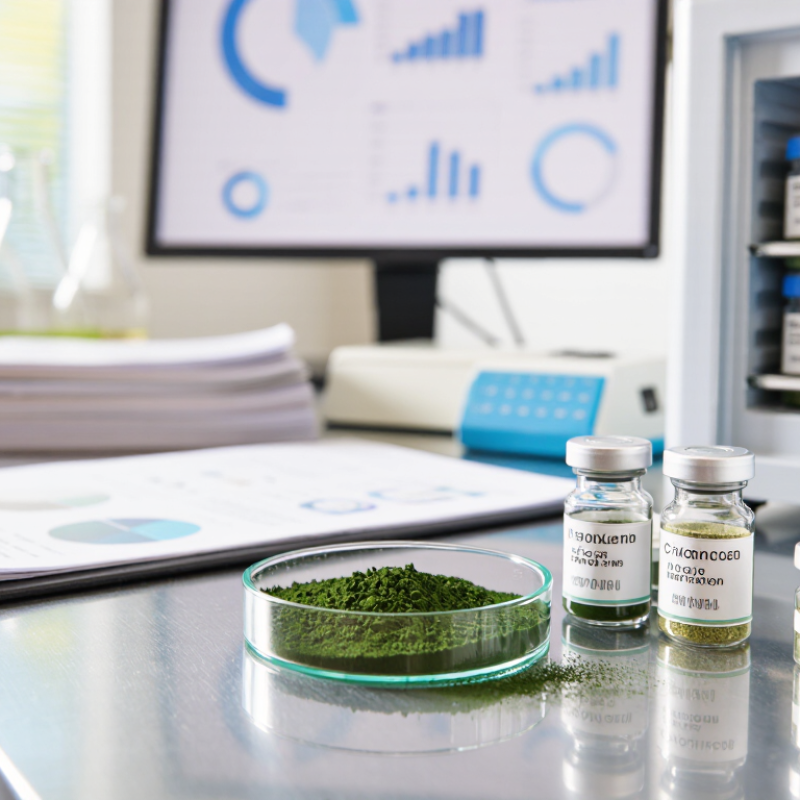
Who Is the Best Spirulina Powder Supplier in China?

What Defines a Spirulina Powder Supplier in China?

A dependable spirulina powder supplier in China can document how each batch moves from cultivation ponds to sealed packaging. Ask for harvest dates, drying conditions, lot-specific certificates of analysis, and traceability records. The FAO technical report, A Review on Culture, Production and Use of Spirulina, describes cultivation and processing as key parts of production. Those steps matter: drying temperature and storage can affect color, odor, and nutrient quality. A sample should look evenly green-blue, smell fresh and marine, and arrive in moisture-resistant packaging.

Check the actual test results, not just a certificate logo. USDA FoodData Central lists about 57.5 grams of protein per 100 grams for its generic dried spirulina entry; this is a reference, not a guaranteed supplier specification. Request laboratory results for protein, moisture, and relevant contaminants, and confirm that the methods and units are clear. Details matter. Phycocyanin content may also matter for buyers seeking a particular color or application, but measurement methods should be stated. A polished document is not proof of consistent batches. Compare recent results across several lots, and ask how rejected material is handled. Some suppliers may answer these questions unevenly; that is worth examining before placing a large order.

How Is Spirulina Powder Produced and Quality-Controlled?

Spirulina powder production starts with controlled cultivation in shallow ponds or closed tanks. Producers monitor water conditions, nutrients, and culture health because small changes can affect color and composition. Mature biomass is collected, rinsed with suitable water, and filtered into a dense paste. Gentle drying helps limit heat exposure, though no drying method removes every source of variation. The dried material is milled and packed in clean, moisture-resistant packaging.

Quality control should follow the powder through each stage. Staff can check appearance, odor, moisture, and particle size, then test representative samples for microbial contamination and unwanted elements such as heavy metals. Results are most useful when linked to a specific batch, not presented as a generic product claim. Clear batch records and retained samples also help investigate complaints later. Small details matter.

For buyers comparing Chinese suppliers, ask how samples are taken and which tests are performed by qualified laboratories. Review current test reports alongside production records, rather than relying on a certificate alone. A vivid blue-green color may look reassuring, but it cannot prove purity or consistency. Even a careful system has limits; sampling can miss uneven problems within a lot. Transparent suppliers should explain those limits and provide traceable documentation.

Which Certifications and Tests Should Buyers Check?

A reliable spirulina powder supplier should provide current certificates that match the product and manufacturing site. Check the scope and expiry dates of ISO 22000 or HACCP documents, rather than relying on a certificate logo. If the powder is sold as organic, confirm that the certification covers the specific product and destination market.

Ask for a batch-specific certificate of analysis, or COA. It should identify the lot number and show actual results, not just “pass.” That matters.

Review tests for lead, cadmium, arsenic, mercury, microbial contamination, moisture, and protein. Spirulina can also warrant testing for microcystins, especially when water quality controls are unclear. Ask which methods were used and whether an independent laboratory performed the tests.

A laboratory accredited to ISO/IEC 17025 offers useful assurance, but accreditation alone does not prove every test is appropriate. Not enough.

Compare the report’s batch number with the bags you receive, and request traceability records linking the finished powder to production. Paperwork can look tidy while leaving gaps. A certificate may be current but cover another site, product, or testing period, so ask direct questions and keep the answers on file.

How Can Chinese Suppliers Be Compared for Reliability?

A reliable Chinese spirulina powder supplier should make each batch traceable from cultivation pond to sealed package. Ask for a recent certificate of analysis (COA), not a generic sample. Check protein content, moisture, microbiological results, heavy metals, and cyanotoxins such as microcystins. The FAO’s 2008 technical review reports that dried Spirulina typically contains about 60–70% protein. That range is useful context, but protein alone cannot prove purity or consistent production. Request the test method, laboratory name, test date, and batch number; then confirm that the documents match the shipment label.

Look beyond polished certificates. Review production records, drying controls, packaging seals, and the supplier’s process for handling failed batches. Ask for an independent laboratory report and compare results across different production dates. A small variation may be normal, but unexplained gaps deserve attention. I would not treat one successful sample as proof of long-term reliability; it is an easy mistake to make when evaluating a new source.

Tips: Request three batch COAs, verify laboratory accreditation, and order a small trial lot. Check the powder’s color, odor, and moisture after delivery, then compare them with the specifications. Keep one sealed sample for reference. If a supplier cannot explain a test result in plain language, pause and ask again.

How to Compare Chinese Spirulina Powder Suppliers for Reliability

Use this evidence checklist to compare suppliers consistently. Request records for the specific product lot and verify certificates and test reports with their issuers where possible.

Each bar represents one due-diligence item, not a supplier score or a claim that any supplier meets the criterion. Testing and documentation requirements can vary by destination market.

How to Identify the Best Supplier for Your Needs?

Who Is the Best Spirulina Powder Supplier in China?

How to Identify the Best Supplier for Your Needs?

The right supplier is not simply the one with the lowest quote. Check whether they can identify the Spirulina species, cultivation location, harvest date, and processing method for each batch. Clear traceability helps you investigate differences in color, aroma, or texture. A vivid green sample can look impressive, but appearance alone says little about purity.

Ask for a recent certificate of analysis linked to the batch you may purchase. It should report relevant measures, such as heavy metals, microbiological results, moisture, and protein content. Confirm whether testing was performed by an independent laboratory, and request the test methods if details are unclear. Check that product specifications and export documents match. Small inconsistencies matter. A polished website is not proof.

Request a sample and compare it with the written specification before placing a large order. Note its smell, color, dispersion, and how these change between batches. Ask about minimum order quantities, production lead times, packaging, and how complaints are handled. Replies should be specific, not just reassuring. No supplier is perfect, and low prices can have reasonable explanations. Still, if a supplier avoids basic questions or cannot connect test results to a batch, pause and reassess. A careful review takes time, but it can prevent costly surprises.