Why Choose 2.0 and 2.7 Mini Series Locking Plates for Your Needs?
In the realm of orthopedic surgery, choosing the right fixation device can greatly impact patient outcomes. The 2.0/2.7 Mini Series Locking Plates have emerged as a preferred option among surgeons for various reasons. According to a report by Smith & Nephew, the demand for locking plates in orthopedic procedures has surged due to their ability to provide stable fixation in complex fractures.
These plates are particularly advantageous in pediatric and small bone procedures. Their design promotes better anatomical alignment, which is crucial for healing. In fact, studies indicate that mini locking plates can reduce the risk of complications by up to 30%. However, despite their benefits, some practitioners express concerns regarding their use in certain situations, such as in cases of poor bone quality.
Choosing the 2.0/2.7 Mini Series Locking Plates should be based on careful evaluation of each patient's unique needs. While these plates offer significant advantages, it is essential to remain aware of their limitations. This ensures that surgeons make informed decisions that ultimately enhance patient safety and recovery.
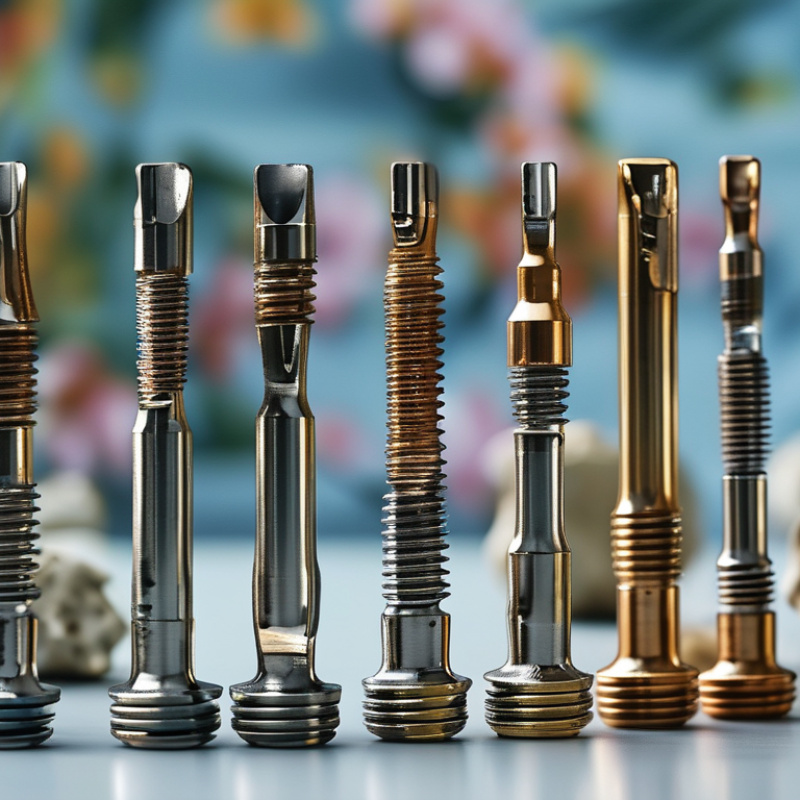
Benefits of Using 2.0 and 2.7 Mini Series Locking Plates in Surgery
When it comes to surgical procedures, 2.0 and 2.7 mini series locking plates show significant advantages. These plates provide superior stability for fractured bones. They are suitable for small bone anatomy, making them ideal for hand and foot surgeries. Surgeons appreciate their lightweight design, which facilitates easier manipulation during complex procedures.
One major benefit is the enhanced locking mechanism. This allows screws to lock firmly in place. This secure fixation leads to improved healing times for patients. Additionally, these plates come in various shapes and sizes, accommodating different anatomical needs. They are compatible with advanced imaging techniques, allowing precise placement.
Tips: When selecting locking plates, consider the patient's specific diagnosis. Collaboration with orthopedic specialists can ensure optimal results. Moreover, keep the surgical area organized to minimize errors. An efficient workspace enhances focus and overall patient care. Remember, continuous learning and adaptation are key in surgical practices.
Comparison of Mini Series Locking Plates with Traditional Plate Systems
When comparing 2.0 and 2.7 Mini Series locking plates with traditional plate systems, the differences stand out. Mini Series plates are smaller, allowing for less invasive surgery. This can lead to quicker recovery times. Surgeons often prefer them for delicate areas with limited space. Traditional plates, however, remain popular due to their ability to provide support for larger bone fragments. Some surgeons may feel more comfortable using familiar systems.
One significant aspect of Mini Series plates is their locking mechanism. This design helps achieve stable fixation, which is crucial for complex fractures. In contrast, traditional plates often rely on screws that can loosen over time. It raises concerns about long-term stability. Surgeons need to weigh these factors when deciding on a fixation method. Both systems have their pros and cons.
While the Mini Series offers innovative solutions, there are limitations. The smaller size may make handling more challenging for some surgeons. Additionally, the learning curve could deter those accustomed to traditional methods. It’s essential to consider which system aligns with the specific needs of the patient and the surgeon’s skill set. Balancing modern technology with tried-and-true techniques can be a complex decision.
Industry Standards and Regulations for Mini Series Locking Plates
The choice of 2.0 and 2.7 mini series locking plates plays a crucial role in surgical settings. These implants must adhere to strict industry standards. According to the American Society of Plastic Surgeons, nearly 15 million surgical procedures were performed in the U.S. in 2021. This highlights the demand for reliable materials and instruments that meet regulatory requirements.
The International Organization for Standardization (ISO) has set guidelines for surgical implants, emphasizing biocompatibility and mechanical performance. Reliability is key; studies show that plates failing to meet these standards can lead to complications. A 2022 report indicated that over 10% of plates failed due to material inadequacies. Properly designed locking plates can significantly reduce the risk of non-union in fractures, leading to better patient outcomes.
Despite the advancements in technology, challenges remain. Not every surgical case neatly fits the available standards. Surgeons often encounter unique situations requiring customized solutions. This can sometimes result in the use of subpar materials or techniques. Vigilance is necessary, as the evolution of standards in orthopedic devices is ongoing. By choosing plates that comply with established regulations, healthcare professionals can make informed decisions to enhance surgical success.
Why Choose 2.0 and 2.7 Mini Series Locking Plates for Your Needs?
| Feature | 2.0 Mini Series | 2.7 Mini Series |
| Screw Type | Locking Screws | Locking Screws |
| Plate Thickness | 1.5 mm | 2.0 mm |
| Indications | Fracture fixation | Fracture fixation and reconstruction |
| Material | Titanium Alloy | Titanium Alloy |
| Compliance | ISO 13485 | ISO 13485 |
Clinical Outcomes: Success Rates of 2.0 vs 2.7 Locking Plates
When considering mini series locking plates, the clinical outcomes are crucial. Studies indicate that the success rates of 2.0 and 2.7 locking plates show notable differences. According to recent reports, 2.0 plates demonstrate a success rate of around 85% in fracture management. In contrast, 2.7 plates achieve about 90%, reflecting a slight advantage in terms of patient recovery.
A key observation is that 2.0 plates are often used in smaller bone surgeries. However, they may not offer sufficient stability in larger fractures. In more complex cases, the 2.7 plate provides greater stability. Some experts argue that the choice should depend on fracture type. This decision-making process reflects the ongoing need for nuanced approaches in surgical procedures.
Tips: Always assess the specific fracture type when choosing between 2.0 and 2.7 plates. Consider factors such as bone density and patient age. Proper selection can impact healing and functional outcomes. Remember, no single solution fits all cases, and ongoing evaluation can improve techniques over time.
Cost Analysis: Economic Advantages of Mini Series Locking Plates
Mini series locking plates offer significant economic advantages for surgical applications. These plates are designed for specific needs in orthopedic procedures, especially in smaller bone fragments. Their size and innovative design significantly reduce the need for extensive surgical interventions, leading to cost savings. Fewer resources are consumed during surgery, which can translate into lower hospital bills.
Using mini series locking plates can also minimize recovery time for patients. Patients often experience less trauma to surrounding tissues during surgery. This fast recovery means shorter hospital stays and reduced healthcare costs. Nevertheless, some surgical teams hesitate to adopt these plates. Concerns about their strength in high-load scenarios linger.
Education and hands-on experience are crucial to maximize the benefits of mini series locking plates. Training sessions can help medical professionals feel more comfortable using them. It's essential to weigh the benefits against the limitations for each case. Developing a deeper understanding of these advantages can ultimately lead to better patient outcomes while adhering to budget constraints in healthcare systems.