Choosing the right Racks Rigs for global sourcing is not simply a price comparison. It is a practical decision about safety, capacity, durability, and supply reliability. A rack may look strong in a product photograph. Its real performance depends on steel grade, beam connections, anchoring, weld quality, and load distribution. The floor matters too. Uneven concrete can turn a good design into a costly problem.
Professor John J. Bartholdi III, a respected warehouse-design expert, emphasizes, “A good warehouse design begins with the product, not the building.” This principle also guides international rack selection. Buyers should measure pallet dimensions, product weight, handling equipment, ceiling height, and expected growth. They should request certified load tables, installation drawings, material specifications, and inspection records. Supplier audits help, but they do not replace independent testing.
Global sourcing adds further pressure. Shipping damage, unclear packaging, replacement-part delays, and inconsistent finishes can disrupt an otherwise capable project. Galvanized components may suit humid facilities better than standard painted steel. Adjustable systems offer flexibility, while custom rigs may provide better performance for unusual loads. Neither option is automatically superior.
A spreadsheet cannot reveal everything.
I have seen projects focus too heavily on unit cost and overlook installation labor, port handling, or local engineering review. That mistake is easy to repeat. A stronger process compares total ownership cost, supplier experience, documented quality controls, and after-sales support. The best Racks Rigs choice is not always the cheapest or most complex. It is the option that remains safe, serviceable, and commercially sensible across borders.
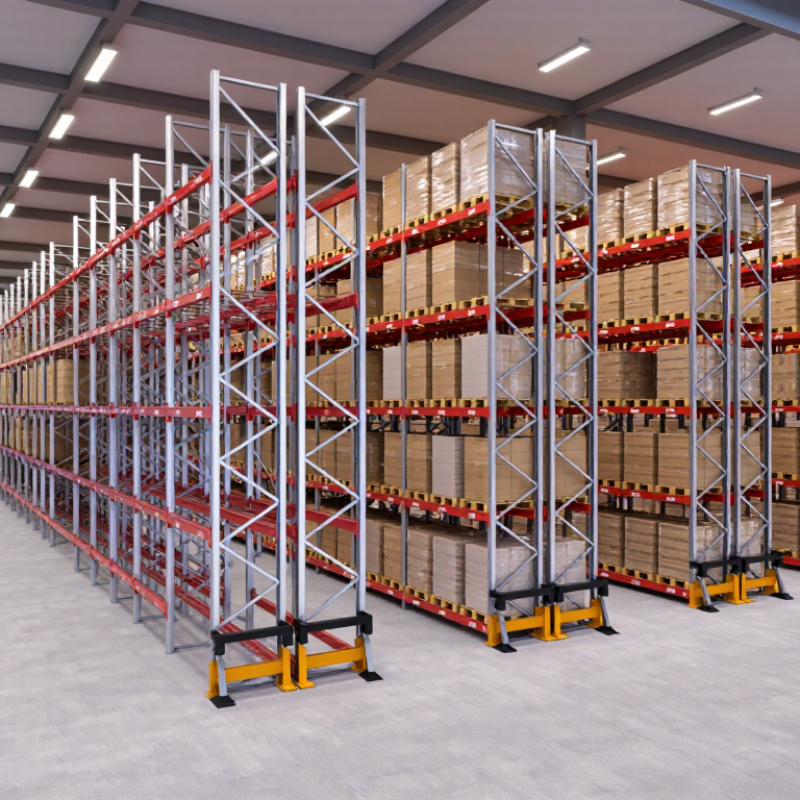
How to Choose the Right Racks and Rigs for Global Sourcing?
Define the Functions and Specifications of Racks and Rigs
Choosing racks and rigs for global sourcing starts with function, not appearance. A rack may hold cartons, tools, sensors, or heavy components. A rig may support testing, assembly, lifting, or repeated positioning. Write the job in one sentence. Then list the load, access direction, movement, and working frequency. During a warehouse project, I measured aisle width, pallet height, and operator reach before requesting quotations. That simple check exposed a design that looked efficient but blocked maintenance access.
Convert the function into measurable specifications. Define overall dimensions, usable levels, rated load per level, load distribution, and center of gravity. Include material grade, surface treatment, corrosion resistance, and operating temperature. For mobile units, specify wheel diameter, brakes, floor conditions, and turning space. For test or assembly rigs, describe fixture points, adjustment range, repeatability, vibration control, and emergency access. Leave tolerances visible on the drawing. Hidden assumptions create expensive revisions.
I once focused too heavily on maximum load. That was a mistake. The structure survived, but workers struggled to remove parts safely. Ask suppliers for drawings, inspection records, packaging details, and applicable compliance documents. Confirm anchor points, fasteners, weld quality, and replacement parts before production. A small trial unit can reveal unstable movement, sharp edges, or awkward hand positions. Photos from the real site help, although photos can hide distance and scale. Measure twice. Then question the specification again.
Global sourcing makes rack selection a specification exercise, not a visual preference. Steel frames usually provide higher stiffness and impact tolerance, while aluminum reduces weight and corrosion risk. However, aluminum can deflect more under identical loads. The World Steel Association reported 1.89 billion tonnes of crude steel production in 2023, showing steel’s mature industrial supply base. Availability is not the same as suitability.
Design the rack around real loads. Include pallets, containers, forklifts, seismic forces, and repeated loading cycles. ANSI MH16.1 addresses industrial steel storage rack design, including structural capacity and deflection considerations. FEM guidance also emphasizes inspection, damage control, and clearly posted load limits. Measure twice. A beam rated for 1,000 kilograms may fail its purpose when that load is concentrated at one point. Confirm bay width, upright spacing, connector strength, and anchoring conditions before ordering.
Market data supports careful planning. The MHI 2024 Annual Industry Report found that 55% of surveyed supply-chain professionals were increasing investment in technology and innovation. That investment often changes storage density and handling patterns. A rack designed for today’s manual workflow may become restrictive after automation is introduced. Welded designs can offer rigidity, while bolted systems simplify repair and international replacement. Yet, bolted connections require disciplined torque checks. A spreadsheet can still lie. Recalculate using the supplier’s test data, local engineering requirements, and the actual operating environment. Reduce capacity when corrosion, uneven floors, or accidental impact is reasonably expected.
| Rack or Rig Type | Typical Material | Structural Design | Typical Load Capacity | Common Dimensions | Best-Suited Goods | Key Load-Bearing Factors | Advantages for Global Sourcing | Important Verification Points |
|---|---|---|---|---|---|---|---|---|
| Selective Pallet Rack | Cold-formed or hot-rolled steel frames with bolted or welded beams; powder-coated or galvanized finish. | Two upright frames connected by horizontal beams; adjustable beam levels; pallet access from aisles. | 800–5,000 kg per level | Depth: 900–1,200 mm Frame height: 2,000–12,000 mm Beam span: 1,800–3,600 mm | Standard pallets, cartons, packaged raw materials, and mixed-SKU inventory. | Beam span, upright profile, pallet support, frame bracing, floor anchoring, and seismic requirements. | Highly configurable and compatible with common pallet sizes used in international logistics. | Confirm pallet dimensions, clear loading height, deflection limits, anchor details, and local seismic design requirements. |
| Drive-In Pallet Rack | Heavy-gauge structural steel with reinforced rails and upright frames. | Deep-lane system allowing forklifts to enter storage channels; last-in, first-out inventory flow. | 500–1,500 kg per pallet position | Lane depth: 4,800–12,000 mm Height: 3,000–10,000 mm | Large quantities of identical or low-turnover products. | Rail capacity, upright compression, impact loads, forklift clearance, and lane bracing. | High storage density and efficient use of warehouse floor area. | Check forklift type, pallet quality, lane depth, product rotation policy, and collision-protection requirements. |
| Cantilever Rack | Hot-rolled steel columns, arms, braces, and base members; painted or galvanized options. | Vertical columns with horizontal arms and no front uprights, enabling unobstructed loading. | 250–2,000 kg per arm | Arm length: 450–1,500 mm Column height: 1,800–6,000 mm | Long goods such as pipes, timber, profiles, sheet materials, and furniture components. | Arm bending, column stability, base moment, load overhang, and balanced placement. | Suitable for irregular and oversized products that cannot fit conventional pallet bays. | Specify product length, weight distribution, arm spacing, column spacing, and required anti-tip anchoring. |
| Longspan Shelving | Powder-coated steel uprights with steel, wire-mesh, or engineered wood shelves. | Hand-loaded modular bays with adjustable shelf levels; commonly assembled with clips or bolts. | 150–800 kg per shelf | Depth: 400–900 mm Bay width: 900–2,400 mm Height: 1,800–3,000 mm | Cartons, spare parts, components, tools, and medium-weight inventory. | Shelf panel thickness, beam profile, bay width, evenly distributed load, and upright spacing. | Low equipment cost, flexible configuration, and simple installation without specialized machinery. | Confirm whether the stated capacity applies per shelf or per bay and whether shelf loads are uniformly distributed. |
| Mobile Shelving or Mobile Rack | Steel shelving or pallet-rack modules mounted on mechanically driven or electrically powered bases. | Storage units move along floor rails, opening only the required access aisle. | 300–1,000 kg per shelf Up to 1,000 kg per pallet level | Module depth: 300–1,200 mm System height: 1,800–3,500 mm | High-value parts, archives, tools, documents, and compact inventory. | Rail alignment, base-frame capacity, drive torque, floor loading, anti-tip controls, and dynamic loads. | Can substantially increase storage density where access frequency is moderate. | Verify slab flatness, electrical requirements, emergency release, aisle safety, and maintenance access. |
| Mezzanine Storage Platform | Structural steel columns, primary beams, secondary joists, steel decking, or composite panels. | Elevated platform supported by columns or existing structure, often with stairs and pallet gates. | 300–1,000 kg/m² for general storage Higher ratings require engineered design | Platform height: 2,500–6,000 mm Deck thickness: 35–100 mm | Light industrial storage, picking areas, packaging supplies, and workstations. | Uniform and point loads, column grid, floor slab capacity, lateral stability, stairs, and guardrails. | Adds usable storage or work area without expanding the building footprint. | Require site-specific structural calculations, building approval, fire-safety review, and load signage. |
| Wire Mesh Cage Rack | Welded steel mesh panels with powder-coated frames, doors, and locking hardware. | Enclosed modular storage cage integrated with shelving or pallet-rack components. | 300–1,000 kg per shelf System rating depends on the supporting rack | Panel height: 1,800–2,500 mm Mesh openings: commonly 25–100 mm | Controlled-access inventory, hazardous-area supplies, tools, and high-value components. | Frame capacity, mesh-panel rigidity, door load, anchoring, and shelf connection strength. | Improves visibility, ventilation, and access control while allowing modular expansion. | Check mesh opening size, lock type, corrosion protection, fire-sprinkler compatibility, and cage anchoring. |
| Pipe or Cable Reel Rack | Heavy structural steel frames with cradle arms, shafts, or removable reel supports. | Dedicated supports for cylindrical reels; may allow horizontal or vertical reel storage. | 250–2,500 kg per reel position | Reel diameter: 600–2,400 mm Position width: 300–1,500 mm | Cable drums, hoses, wire coils, film rolls, and industrial reels. | Reel diameter and weight, shaft shear, cradle contact stress, frame bracing, and roll-out prevention. | Reduces product damage and supports organized handling of cylindrical goods. | Confirm reel core diameter, lifting method, center of gravity, braking requirement, and maximum roll width. |
Capacity figures are representative ranges for preliminary sourcing comparisons. Final ratings must be confirmed by a qualified structural engineer using the actual dimensions, load distribution, handling equipment, floor conditions, applicable building codes, and seismic requirements of the installation location.
How to Choose the Right Racks and Rigs for Global Sourcing?
Choosing racks and rigs starts with the supplier, not the catalog image. Ask where the steel, aluminum, and fasteners come from. Request recent factory photos, production records, and sample inspection reports. A capable supplier should explain cutting, welding, coating, assembly, and final testing clearly. Vague answers deserve attention.
Look beyond a certificate logo. Check whether the certificate belongs to the actual factory, covers the correct product scope, and remains valid. ISO 9001 can show process control, but it does not prove structural safety. Request material certificates, welding qualifications, dimensional reports, and load-test results. Confirm the testing method and equipment calibration. Standards differ by destination market, so confirm applicable requirements with a qualified local professional.
Capacity matters as much as compliance. Review monthly output, tooling, maintenance records, and quality staff experience. A supplier may produce excellent prototypes yet struggle with a large order. Inspect a pre-production sample and measure hole spacing, surface finish, weld consistency, and packaging protection. Ask how defects are recorded and corrected.
Small details matter.
In one sourcing review, packaging was treated as an afterthought. Several frames arrived scratched, although the manufacturing quality was acceptable. That mistake changed our checklist. I now request carton photos, drop-test evidence, and replacement procedures before approval. No supplier is perfect. Honest answers, traceable records, and willingness to correct problems are stronger signals than polished presentations.
Choosing racks and rigs for global sourcing requires more than comparing unit prices. Measure the packed length, width, height, and gross weight first. A few extra centimeters can change pallet, container, or warehouse requirements. The UNCTAD Review of Maritime Transport 2024 states that ships carry over 80% of global merchandise trade by volume. Freight space remains a major cost variable.
Build a landed-cost sheet before approving a supplier. Include product price, tooling, inland transport, export handling, ocean or air freight, insurance, duties, taxes, destination delivery, and storage. Check the correct HS classification and import documents with a qualified customs professional. The World Bank Logistics Performance Index 2023 highlights customs efficiency, shipment tracking, and delivery timeliness as key logistics factors. In practice, a low quote can become expensive after port handling and demurrage. My own planning mistake was treating freight as a fixed number. It was not.
Tips: Request a fully packed drawing and a tested load rating. Ask whether the structure ships assembled or flat-packed. Compare at least two freight scenarios. Confirm Incoterms in writing. Keep a 10–15% contingency for exchange rates, delays, and local charges. Do not trust a spreadsheet blindly. Recheck the dimensions. Also, import rules vary by destination, so verify safety labeling, material declarations, and installation requirements before production. A cheaper rack may need more labor, stronger packaging, or special handling. That difference is easy to miss.
A sample can look perfect in photographs and fail within a week. Inspect the physical unit before approving any final order. Measure its height, width, hole spacing, and material thickness. Record every result in a shared inspection sheet. Use the same template for every supplier.
Test the rack under realistic conditions. Add the intended load gradually, then check movement, bending, and joint stability. Examine welds for gaps, sharp edges, uneven beads, or visible cracks.
Check the coating under bright light. Scratches, bubbles, and thin coverage often appear near corners. For rigs with moving parts, repeat each adjustment several times. Resistance or noise may reveal weak components.
Packaging deserves equal attention. Drop-test a packed sample from a controlled height, where practical. Inspect protective corners, fasteners, labels, and moisture barriers. Ask for material certificates, dimensional reports, and test records. Independent inspection can verify these documents before shipment, but it cannot replace your own acceptance criteria.
I once approved a sample because its frame felt strong. Later, repeated assembly exposed misaligned holes. That mistake delayed production. It also taught me to test assembly, not appearance alone.
Leave room for improvement in the inspection plan. Suppliers may meet the drawing while missing the operator’s real needs. Let warehouse staff assemble the sample and report awkward steps. Small observations can prevent expensive changes after the final order.
*The content on this website is for general informational purposes only and should not be taken as medical advice. Please contact your physician or therapist to learn what therapy solution is suitable for your specific needs. Not all products, features, or indications shown are approved in all countries.