How to Choose the Right Electrical Stimulation Device for Your Needs?
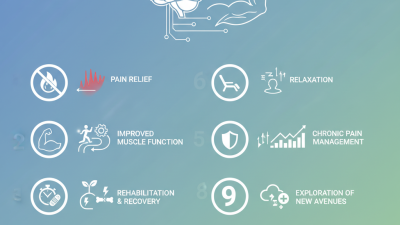
Choosing the right electrical stimulation device can be a daunting task. With many options available, it's essential to understand how each device works and what benefits it provides. These devices are used for pain relief, muscle stimulation, and rehabilitation. Each application requires a specific type of device for optimal results.
When selecting an electrical stimulation device, consider your individual needs. What condition do you want to treat? How often will you use it? Take time to research various models. Some devices may promise quick results but lack scientific support. Credible reviews and recommendations from healthcare professionals are invaluable.
Many users find certain features more valuable than others. Ease of use, portability, and adjustable settings matter. However, not all devices come with clear instructions. This can lead to misuse and ineffective treatment. Reflect on your experience and consult experts if necessary. A thoughtful approach will help you make an informed decision that suits your specific health goals.
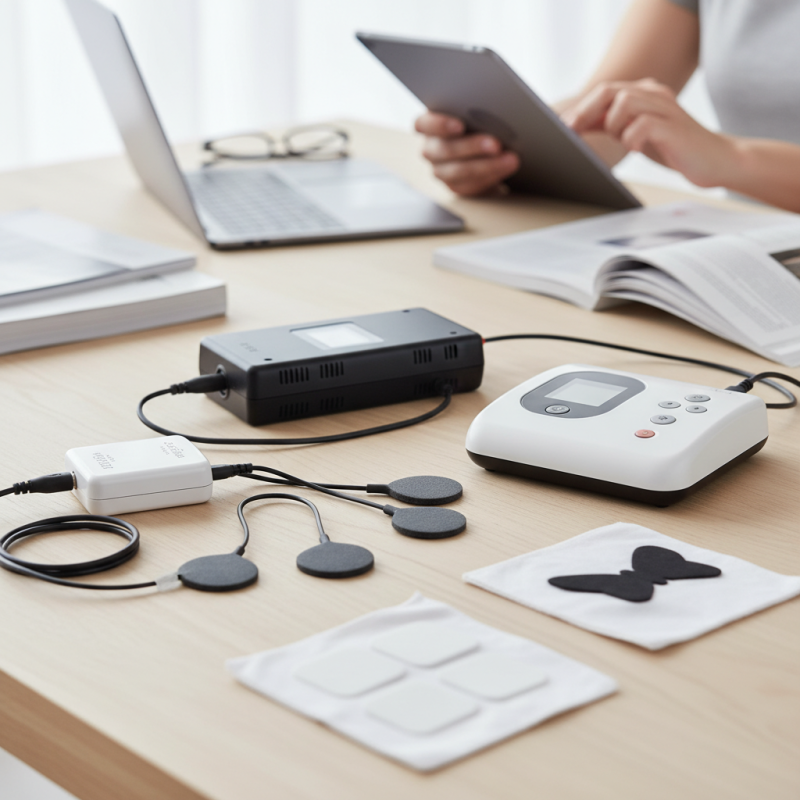
Understanding Different Types of Electrical Stimulation Devices Available
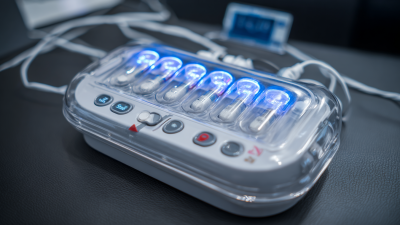
Electrical stimulation devices come in various forms, each catering to specific needs.
Transcutaneous Electrical Nerve Stimulation (TENS) units are popular for pain relief. They send low-voltage electrical currents through the skin, which may help reduce discomfort.
Meanwhile, Electrical Muscle Stimulation (EMS) devices are designed to stimulate muscle contractions.
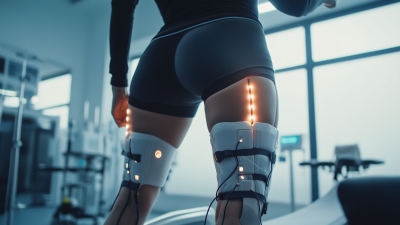
Athletes often use them for recovery and muscle strengthening.
When selecting a device, understanding the types available is essential. Some devices target pain relief, while others focus on muscle rehabilitation.
They may vary in intensity levels and application techniques. A novice user might feel overwhelmed by these options.
It’s important to research different models and their intended uses.
User reviews often lack detailed information. Personal experiences can be quite subjective.
Consider potential side effects, as not every device suits everyone. Some may experience discomfort or skin irritation.
Finding the right balance may take time and experimentation. What works for one person may not work for another.
Look for devices that offer adjustable settings. This feature allows you to tailor the experience to your specific needs.
Key Features to Consider When Selecting an Electrical Stimulation Device
Choosing the right electrical stimulation device can feel overwhelming. With so many options on the market, key features can make a significant difference. One crucial feature to consider is the type of stimulation it provides. Devices offer options like TENS (transcutaneous electrical nerve stimulation) and EMS (electrical muscle stimulation). Studies show TENS is effective for pain relief, while EMS helps improve muscle recovery. It’s vital to match the device to your intended use.
Another important aspect is the intensity settings and modes available. Many devices offer multiple intensity levels, which allows for customization based on individual tolerance and treatment goals. Research indicates that an adjustable range is more effective for long-term use. A user-friendly interface can enhance the experience too. Complex controls may discourage consistent use.
Consulting user reviews can also shed light on reliability and effectiveness. Visualization tools like comparisons and ratings can assist in decision-making. However, consider that not all high ratings guarantee quality. Some users may not fully understand their needs, leading to mismatched choices. Be sure to reflect on what features matter most to you before making a choice.
Evaluating Your Specific Medical or Fitness Needs for Electrical Stimulators
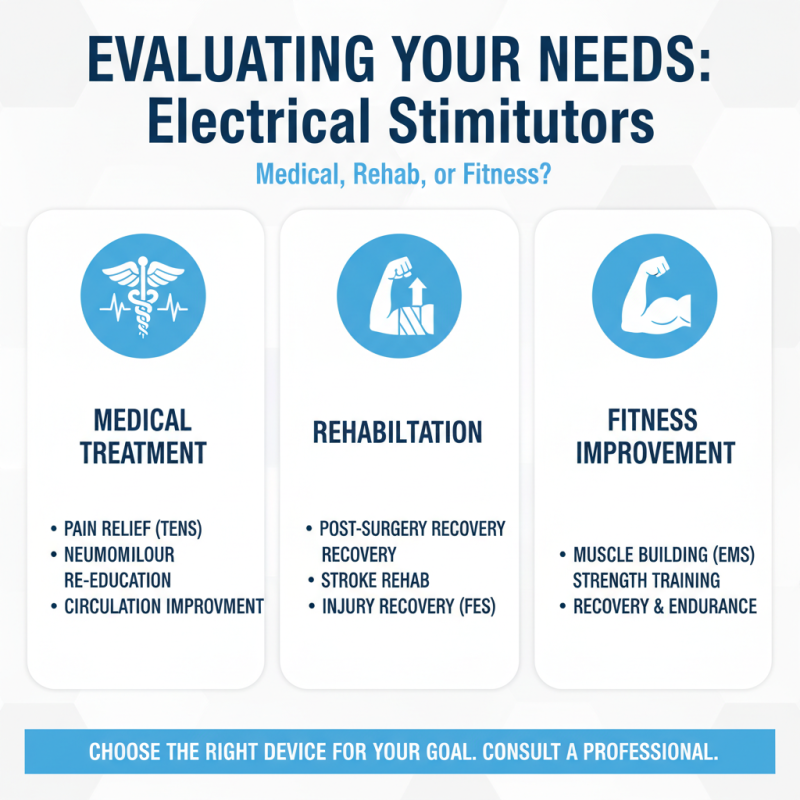
Choosing the right electrical stimulation device requires a careful evaluation of your specific needs. Start by identifying whether your focus is on medical treatment, rehabilitation, or fitness improvement. Different devices cater to different goals. For instance, pain relief may require a transcutaneous electrical nerve stimulation (TENS) unit, while muscle building might need an electrical muscle stimulation (EMS) device.
Consider your health history. If you have conditions like diabetes or cardiovascular issues, consult an expert before making a purchase. This isn't just a matter of preference; safety is crucial. Devices vary in their intensity settings and types of stimulation. You’ll want to match those features to your personal health requirements.
Practicality is another factor. Do you need a portable device for on-the-go use? Or will you use it primarily at home? The ease of use is essential, too. Complex devices may be frustrating for someone unfamiliar with technology. It's also important to reflect on past experiences with similar devices. Evaluating these aspects will help you make a safer, better-informed choice.
Comparing the Effectiveness of Popular Electrical Stimulation Modalities
When choosing an electrical stimulation device, it's essential to understand various modalities.
TENS (Transcutaneous Electrical Nerve Stimulation) is known for pain relief.
It provides a gentle electrical pulse that can help reduce discomfort. You'll often find it used for chronic pain management.
On the other hand, EMS (Electrical Muscle Stimulation) focuses on muscle contraction.
It aids in rehabilitation and muscle strengthening.
Athletes frequently use it for recovery. This can lead to improved performance over time.
However, not everyone sees significant results. Individual responses to these devices can vary widely.
Choosing the right device isn't always straightforward. Comfort levels and treatment goals should guide your decision.
It can be helpful to try different modalities. Pay attention to how your body reacts. Some people might find one method more beneficial.
Others may need to experiment before finding the best fit for their needs.
Ultimately, understanding your requirements and experiences can lead to a better choice.
Safety Considerations and Guidelines for Using Electrical Stimulation Devices
When considering electrical stimulation devices, safety should be your top priority. Ensure the device is FDA-approved to minimize risks. Read the user manual carefully before starting. Some devices may have specific contraindications, so consult a healthcare professional. Pay attention to any unusual sensations during use. Discontinue use and seek medical advice if discomfort persists.
Proper application is crucial. Use the device only on recommended areas. Incorrect usage can lead to skin irritation or injury. Don’t use it while sleeping or in situations where you cannot pay attention. Limit sessions to the advised duration to prevent overstimulation. Always monitor your body’s response. If you feel light-headed or develop skin reactions, stop immediately.
Be cautious with sensitive populations. Pregnant individuals and those with certain medical conditions should avoid these devices without professional guidance. Remember, each person’s response varies. What works for one may not work for another. Ensuring safety takes a thoughtful approach and a willingness to learn along the way.
How to Choose the Right Electrical Stimulation Device for Your Needs? - Safety Considerations and Guidelines for Using Electrical Stimulation Devices
| Device Type |
Indications |
Safety Features |
Voltage Range |
Duration of Use |
| Transcutaneous Electrical Nerve Stimulation (TENS) |
Pain relief for chronic pain |
Auto shut-off, adjustable intensity |
0-80V |
20-60 minutes |
| Neuromuscular Electrical Stimulation (NMES) |
Muscle rehabilitation and strengthening |
Time limit, skin sensitivity alert |
0-100V |
10-30 minutes |
| Iontophoresis Devices |
Delivery of medication through skin |
Temperature control, ion flow settings |
0-40V |
10-30 minutes |
| Functional Electrical Stimulation (FES) |
Improvement of muscle function post-injury |
User-friendly interface, feedback mechanism |
0-120V |
15-60 minutes |