Animal studies have been fundamental in advancing scientific knowledge across multiple disciplines. According to a report by the National Institutes of Health, over 95% of all biomedical research relies on Animal study data. The importance of these studies cannot be understated. In fact, Dr. Jane Goodall once stated, "What you do makes a difference, and you have to decide what kind of difference you want to make." Her words resonate deeply in the animal research community.
These fascinating studies have provided insight into complex biological processes. For example, they have led to breakthroughs in understanding human diseases and developing new medications. Animal studies have played a crucial role in vaccine development, saving countless lives. However, the ethical considerations surrounding these studies provoke thought and reflection.
Despite the many benefits, the reliance on animal models can spark debate. Critics argue that results from animal studies do not always translate to humans. The ongoing challenge is to balance the need for research with ethical responsibility. Each study should aim to improve our scientific knowledge while minimizing animal harm.
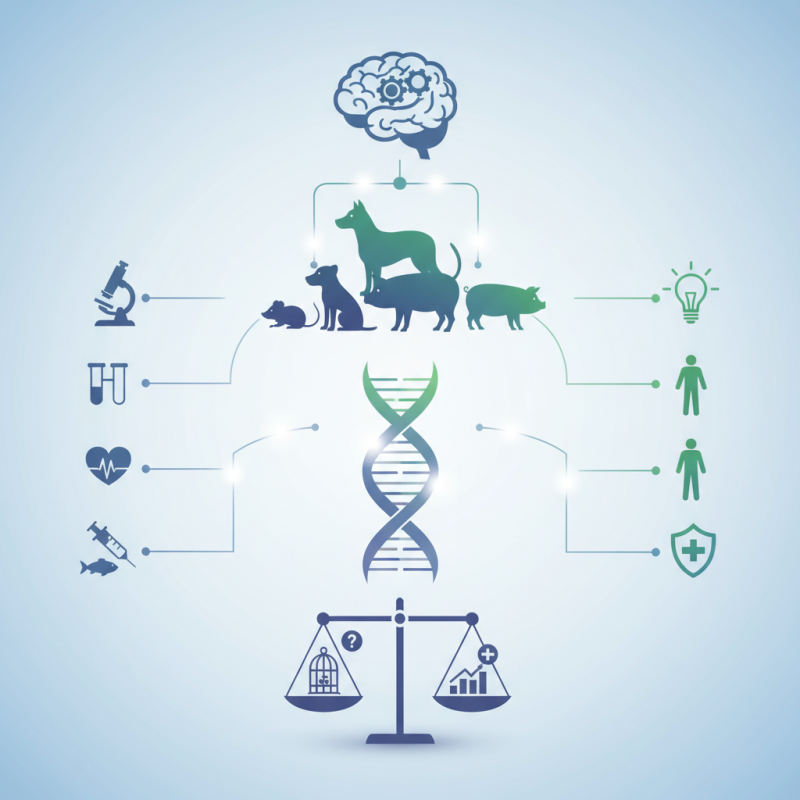
Animal behavior offers a critical lens through which we can examine human psychology. Studies of social structures in wolves reveal much about human group dynamics. In these packs, hierarchy helps maintain order and cooperation. Such insights challenge the view that human social structures are solely based on culture.
Observing primates sheds light on emotions. Their expressions of joy, sorrow, and empathy remind us of our shared experiences. For instance, a mother monkey caring for her infant reflects the deep emotional bonds we form. However, do we sometimes overlook the complexities of our emotional lives?
The exploration of animal behavior also prompts questions. Are we adapting positive traits from animal social interactions? Or are we focused solely on the differences? The struggle to define our place in the animal kingdom can lead to deeper understanding of ourselves. This ongoing dialogue keeps us reflecting on what it means to be human.
Primate communities offer a unique lens to study social dynamics within species. Research shows that these animals exhibit complex social structures. For instance, a study published in the journal "Nature" highlights that chimpanzee groups can have nearly 150 individuals. Each member holds a role that affects group dynamics. Smaller groups may foster closer relationships, while larger ones can lead to more competition for resources.
Interestingly, these social structures impact individual well-being. Reports indicate that higher socialization in primates correlates with lower stress levels. The British Journal of Psychology found that monkeys with stronger social bonds had lower cortisol levels. Yet, the dynamics can become problematic. Conflicts arise in larger groups, leading to social tension and stress. This reflects on the fragility of social harmony.
Some studies indicate that hierarchies influenced social interactions significantly. Alpha males may dominate, affecting the others' ability to thrive. This brings into question the balance of power and its effect on community health. Observing these behaviors can challenge our understanding of social structures, not just in primates but in humans too. How we engage socially might mirror these dynamics, revealing patterns of cooperation and competition.
Dogs have long been our companions. Recent studies reveal their intelligence is deeper than we thought. Scientists have explored various canine behaviors, unlocking insights into their cognitive abilities. One intriguing finding shows dogs can read human emotions. They respond differently to happy or sad expressions.
Another fascinating study highlights problem-solving skills in dogs. Researchers set up challenges involving hidden treats. Many dogs figured out how to overcome obstacles. Some approached seemingly insurmountable tasks with creativity. Yet, not every dog succeeded. This raises questions about varying intelligence levels among individual dogs. Are breeds inherently smarter, or does training play a vital role?
The social intelligence of dogs also demands attention. They seem to understand human commands instinctively. Some dogs can even follow human pointing gestures. This suggests a unique bond between species. Yet, some dogs struggle with commands. Their response may reflect differences in upbringing and environment. Societal expectations of canine intelligence often blur these distinctions.
Animal studies have significantly influenced conservation efforts worldwide. For instance, researchers observed the migration patterns of whales. This data is vital in identifying critical habitats. Protected areas can be established effectively based on such studies. The insight gained helps policymakers make informed decisions.
Certain animal behaviors, like the nesting habits of sea turtles, also reveal the fragility of ecosystems. These studies highlight patterns of decline in populations. They show how small changes can lead to larger problems. Awareness of these dynamics is crucial. Yet, there is room for improvement in our understanding. Not all studies yield clear results, leaving gaps in knowledge. Further research is needed to fully grasp these complexities. Effective conservation plans rely on accurate data and actionable insights.
| Study Title | Animal Species | Key Findings | Impact on Conservation | Year Published |
|---|---|---|---|---|
| Emperor Penguin Breeding | Emperor Penguin | Understanding breeding patterns in extreme climates | Informed climate change mitigation strategies | 2012 |
| Chimpanzee Social Behavior | Chimpanzee | Complex social structures and tool use | Led to better habitat protection laws | 2007 |
| Ant Behavior and Cooperation | Ants | Insights into collective behavior | Influenced models of ecosystem dynamics | 2015 |
| Dolphin Communication | Bottlenose Dolphin | Use of complex vocalizations | Promoted marine conservation policies | 2010 |
| Wolves and Ecosystem Management | Gray Wolf | Role in trophic cascades | Shaped wildlife management strategies | 2008 |
| Honeybee Navigation | Honeybee | Advanced navigation abilities using the sun | Informed pollinator protection initiatives | 2016 |
| Migration Patterns of Monarch Butterflies | Monarch Butterfly | Understanding long-distance migration | Enhanced protection in migratory routes | 2019 |
| Octopus Intelligence | Common Octopus | Problem-solving abilities and escape tactics | Informed cephalopod welfare laws | 2021 |
| Rabbit Social Structures | European Rabbit | Social hierarchies and grooming behaviors | Enhanced management in conservation areas | 2018 |
| Coral Reef Ecosystem Studies | Various Fish Species | Importance of fish in coral health | Directed coral restoration efforts | 2020 |
Animal research has played a vital role in advancing medical science. From studying mice to primates, scientists gain insights into human diseases. These animal models help us understand conditions like diabetes, cancer, and Alzheimer's. For instance, the use of rats in diabetes research led to the development of insulin treatments. These breakthroughs have saved countless lives.
However, animal studies also spark ethical debates. Some question the morality of using animals for research. Organizations advocate for alternatives that reduce animal use. Researchers are challenged to balance scientific progress with ethical responsibility. This ongoing conversation pushes for better practices and transparency in animal research. As science evolves, the need for humane approaches remains crucial.
*The content on this website is for general informational purposes only and should not be taken as medical advice. Please contact your physician or therapist to learn what therapy solution is suitable for your specific needs. Not all products, features, or indications shown are approved in all countries.