Choosing the right Fractional CO2 Laser is not a matter of chasing the highest power or the newest screen. It means matching the device to the treatments you plan to offer, your patients’ skin types, and your team’s training. Small details matter: handpiece weight, spot size, pulse control, and how easily staff can clean and maintain the system. So does the treatment room itself. A powerful device is not automatically the best fit.
Laser specialist Dr. Jill Waibel is known for her clinical work with energy-based devices. Rather than inventing a verbatim quotation, this guide expresses a practical principle consistent with careful clinical selection: “Choose the laser around the treatment goal, the patient, and the operator—not the marketing claim.” That distinction matters. Ask manufacturers for clinical evidence, clear service terms, operator training, and realistic information about downtime and expected results. Compare those answers, not just brochure specifications.
There is no universal winner. A clinic focused on deeper resurfacing may value different settings and support than one treating fine lines or acne scars. And even a well-chosen Fractional CO2 Laser needs skilled assessment, appropriate patient selection, and careful aftercare. Results vary. That part deserves more attention than it often gets. This outline will help readers weigh performance, safety features, usability, support, and cost before making a purchase. It will also flag questions worth asking—and assumptions worth reconsidering—before a sales demonstration turns into a decision.
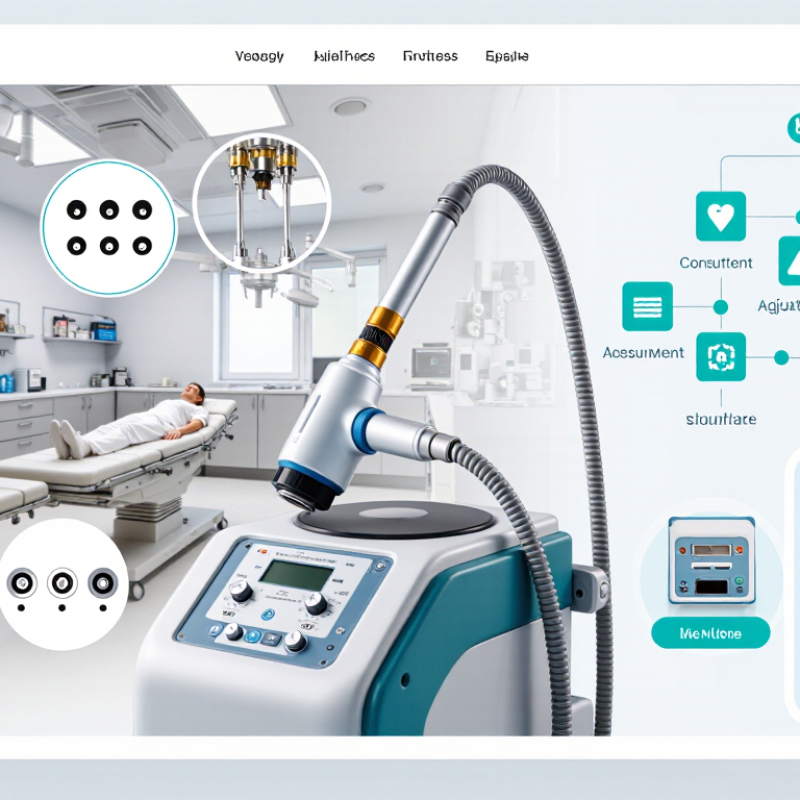
How to Choose the Best Fractional CO2 Laser
Understand How Fractional CO2 Lasers Work
Choosing a fractional CO2 laser starts with understanding what happens beneath the skin. CO2 energy uses a 10,600-nanometer wavelength to heat water-rich tissue. The beam creates microscopic columns of vaporized skin, leaving untreated areas between them. These intact areas help the surrounding tissue repair itself more efficiently. Healing then stimulates collagen remodeling, which may soften acne scars, fine lines, and uneven texture. Results develop over several weeks, not overnight.
Treatment settings matter as much as the laser itself. Clinicians adjust energy, pulse duration, and treatment density for each patient. Higher density may create stronger resurfacing, but it can also increase redness, pigment changes, and downtime. No setting is universally best. A careful assessment should consider skin tone, scar depth, medications, sun exposure, and previous procedures. Darker skin may require conservative settings and careful pigment-risk planning. That point is often underestimated.
A qualified medical professional should explain expected results, alternatives, and possible complications. Ask who performs the procedure and how often they treat similar skin types. Protective eyewear is essential. Aftercare often includes gentle cleansing, moisture support, and strict sun protection. Active irritation or infection should be addressed beforehand. The process is not perfectly predictable. Even a well-planned session can heal unevenly or need adjustment. I would question promises of dramatic results without downtime. Your skin’s response matters more than impressive specifications.
Choosing a fractional CO2 laser should begin with your skin concern, not the device name. Fine lines, acne scars, enlarged pores, and uneven texture may need different treatment depths. In my experience, patients often expect one session to erase years of sun damage. That expectation needs correction.
A 2023 systematic review of fractional CO2 studies reported wrinkle improvement commonly ranging from 30% to 60%, although results varied by settings, skin type, and assessment methods. This difference matters.
Your treatment goal should also include recovery time. Deeper resurfacing may create stronger texture changes, but it can involve redness, swelling, peeling, and longer downtime. People with darker skin tones need careful planning because post-inflammatory hyperpigmentation can occur. Ask whether the provider has treated your skin tone and concern before.
Review clinical photographs taken under consistent lighting. I would also question vague promises. Laser energy is not automatically better when increased.
Tips:
Write down your main concern, preferred downtime, and previous reactions. Ask about treatment depth, expected sessions, pigment risk, and aftercare.
A qualified dermatologist should explain alternatives, including gentler fractional treatments. The American Society for Dermatologic Surgery emphasizes consultation and realistic expectations in its consumer guidance.
Your skin may respond differently. That uncertainty deserves honest discussion.
Choosing the best fractional CO2 laser requires more than comparing power ratings. Look for adjustable energy, treatment density, pulse duration, spot size, and scanning patterns. These features control how deeply and evenly the laser treats the skin. A flexible system can support different goals, from fine lines to acne scars, while reducing unnecessary thermal exposure. Cooling support and clear safety controls also matter. Small details can influence comfort and recovery.
Treatment settings should match skin type, scar depth, treatment area, and recovery expectations. Higher energy may reach deeper tissue, but it can also increase redness, swelling, and downtime. Higher density treats more skin in one session, yet it may raise irritation risks. In clinical practice, experienced providers often begin conservatively, assess healing, and adjust later. A higher setting is not automatically better. That assumption deserves reconsideration.
Tips: Ask how the provider selects energy, density, and pulse duration for your skin. Request a test area when appropriate. Confirm the expected recovery timeline and aftercare instructions. Take clear photographs before treatment, using consistent lighting. Results may develop gradually. Honest comparison matters more than impressive specifications. A qualified medical professional should review your history, skin sensitivity, and previous treatments before recommending settings.
Choosing a fractional CO2 laser begins with the provider, not the device. Look for a licensed clinician with documented training in laser medicine and facial anatomy. Ask how many treatments they perform each month. Experience matters because skin tone, scar depth, and healing history affect every setting. A trustworthy provider will examine your skin in person. They should discuss realistic improvement, downtime, and possible pigment changes.
Safety should be visible in the treatment room. Confirm that staff use wavelength-appropriate eye protection, sterile or properly disinfected equipment, and effective smoke evacuation. Ask who controls the laser during treatment. That person should recognize excessive swelling, burns, infection, or abnormal pain. A clear emergency plan matters. So does written aftercare. It should explain cleansing, moisture, sun protection, warning signs, and when to call.
Do not choose a clinic from dramatic photos alone. Lighting, angles, and healing time can distort results. Request untreated, comparable photographs and ask whether consent was obtained. Good providers explain why they choose a specific density, energy, and treatment pattern. They may recommend postponing treatment for active irritation or recent tanning. That honesty is reassuring. Still, expertise is not perfection. Ask what they would change after a poor result, and listen for a direct answer. If explanations feel rushed, keep looking.
| Evaluation Dimension | What to Verify | Strong Practice or Benchmark | Warning Signs |
|---|---|---|---|
| Provider qualifications | Confirm the treating professional’s license, scope of practice, and formal laser or energy-based-device training. | Current professional license, documented device-specific training, and experience with fractional ablative procedures. | Unclear credentials, treatment performed outside the provider’s legal scope, or reliance on informal training only. |
| Clinical experience | Ask how frequently the provider performs fractional CO2 treatments and whether they treat different skin types and concerns. | Regular treatment volume, standardized protocols, and experience managing acne scars, wrinkles, texture changes, and pigmentation concerns. | Guaranteed results, no discussion of individual variation, or no experience with the patient’s skin type or treatment goal. |
| Pre-treatment consultation | Determine whether the provider reviews medical history, medications, previous procedures, skin conditions, and healing risks. | A documented consultation, informed consent, skin assessment, treatment objectives, and personalized settings plan. | Same-day treatment without adequate assessment or pressure to proceed before questions are answered. |
| Patient suitability screening | Check for active infection, open wounds, recent tanning, poor wound healing, medication risks, and a history of abnormal scarring. | Treatment is postponed or modified when risk factors are present, with appropriate medical guidance when needed. | No health-history review or claims that every patient is automatically suitable. |
| Device regulatory status | Ask for the exact device model and verify its applicable regulatory authorization for the intended use in the treatment location. | Transparent device documentation and use within the manufacturer’s cleared or approved indications. | The provider will not identify the device or makes unsupported claims about regulatory approval. |
| Laser safety controls | Review room access, warning signs, staff training, protective eyewear, and local laser-safety procedures. | Controlled treatment area, wavelength-appropriate eye protection, trained staff, and documented safety procedures. | No protective eyewear, uncontrolled public access, or treatment in a space without visible safety measures. |
| Treatment parameters | Ask how energy, density, coverage, pulse settings, and passes are selected for the individual patient. | Parameters are adjusted conservatively according to skin type, treatment area, prior response, and desired outcome. | Identical settings for every patient or claims that stronger settings are always better. |
| Infection prevention | Observe hand hygiene, skin preparation, single-use items, surface disinfection, and proper handling of treatment materials. | Consistent infection-control protocol before, during, and after treatment, with clear wound-care instructions. | Poor cleanliness, reused disposable items, or vague instructions for caring for treated skin. |
| Expected recovery | Clarify expected redness, swelling, peeling, sensitivity, downtime, and limitations on sun exposure or makeup. | Written aftercare guidance explains normal healing and when routine activities can typically resume. | Promises of zero downtime or failure to explain that recovery varies with treatment intensity and individual healing. |
| Potential complications | Discuss prolonged redness, infection, acne or milia flares, pigment changes, scarring, and herpes reactivation where relevant. | The provider explains risks, prevention strategies, warning symptoms, and available treatment or referral pathways. | Risks are dismissed, minimized, or excluded from the consent discussion. |
| Follow-up care | Ask when follow-up occurs and how urgent concerns are handled outside normal business hours. | Scheduled review or accessible post-treatment support, with clear escalation instructions for unusual symptoms. | No follow-up plan or inability to contact a qualified professional after treatment. |
| Cost and treatment plan | Compare the total cost, number of proposed sessions, anesthesia or aftercare fees, and maintenance expectations. | Written pricing and a realistic plan that separates expected outcomes from optional services. | Hidden fees, aggressive package sales, or guarantees that a single treatment will produce a specific result. |
Choosing a fractional CO2 laser means weighing recovery time, cost, and realistic results—not just the treatment itself. The procedure creates tiny columns of controlled heat in the skin, leaving surrounding tissue intact. Many people experience redness, swelling, and a sunburn-like feeling afterward. Peeling may follow. Recovery varies with treatment intensity, skin type, and individual healing, so ask a qualified clinician what downtime is typical for your specific plan. A lighter treatment may mean less recovery, but it may not address deeper texture concerns as much.
Tips: Ask how many days you may need to avoid work, exercise, or direct sun. Request a written estimate that includes consultation, aftercare, and possible follow-up visits. One appointment may not be enough. That part is easy to overlook.
Expected results also depend on the concern being treated, such as fine lines or acne scars. Changes often develop gradually as skin heals, and results are not guaranteed. Ask to see representative before-and-after photos taken under similar conditions. Discuss your medical history, medications, and tendency toward pigmentation changes or scarring. If the proposed outcome sounds certain, pause and ask what could limit it. Laser treatment is a decision, not a quick fix.
Compare treatment intensity by typical recovery time, estimated treatment cost, and expected visible improvement. Higher intensity may deliver stronger results but usually involves more downtime and expense.
Typical estimates: recovery is approximately 3–5 days for light treatment, 5–10 days for moderate treatment, and 10–14 days for aggressive treatment. Estimated costs are shown in USD and may vary by location, treatment area, clinician expertise, and the number of sessions. Expected improvement refers to commonly reported visible improvement after a completed treatment plan, not a guaranteed result.
*The content on this website is for general informational purposes only and should not be taken as medical advice. Please contact your physician or therapist to learn what therapy solution is suitable for your specific needs. Not all products, features, or indications shown are approved in all countries.