How to Tell if Chocolate is Expired and Safe to Eat?
Chocolate is a beloved treat enjoyed by people all over the world. However, many forget that Chocolate expiration is a real concern. Proper storage extends its lifespan, but how do you know when it’s gone bad?
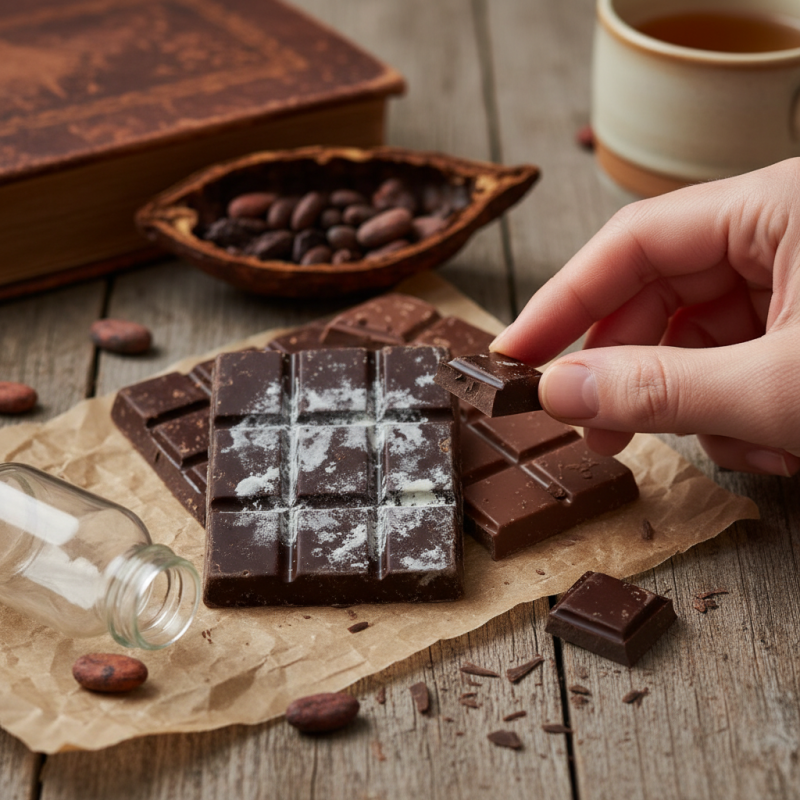
Chocolate can have a range of textures and flavors based on its ingredients. Dark chocolate may last longer than milk chocolate. Yet, age affects both. Signs of expiration might be subtle. You may notice a change in color or a white film known as bloom. These changes don’t always mean it’s unsafe.
Trust your senses. Smell the chocolate. A rancid scent indicates it’s time to toss it. Taste a small piece if you're unsure. If the flavor is off, it’s best not to eat it. Remember, expired chocolate may not be dangerous, but it definitely isn’t delightful. Assess your stash regularly. Knowing when chocolate expiration occurs helps you enjoy it at its best.
Understanding Chocolate Expiration Dates: Key Indicators
Chocolate has a shelf life, but it can often be misunderstood. When checking if chocolate is expired, the first step is to examine the packaging. Look for the "best by" date. This date is not an expiration date but a suggestion for peak quality. The chocolate may still be safe to eat after this date, but its taste and texture could change.
Next, inspect the chocolate itself. If you see white spots, known as bloom, it means the cocoa butter has separated. While bloom does not make chocolate unsafe, it can affect flavor. Cracks or a dry texture may indicate that the chocolate is old. Smelling the chocolate can help too. If it smells off or rancid, it's best to avoid eating it.
Taste can also be an indicator. A bitter or stale flavor may mean the chocolate has seen better days. Remember, even chocolate can age and lose its charm. It’s about being mindful of what you consume. Trying a small piece can help you decide if it's still enjoyable. Trust your senses; they can guide you well.
How to Tell if Chocolate is Expired and Safe to Eat? - Understanding Chocolate Expiration Dates: Key Indicators
| Chocolate Type | Expiration Date | Signs of Spoilage | Safe to Eat? |
| Dark Chocolate | 2025-02-15 | White spots (fat bloom) | Yes |
| Milk Chocolate | 2024-10-30 | Off smell, discoloration | No |
| White Chocolate | 2023-05-01 | Separation, hard texture | No |
| Chocolate Bar | 2026-03-12 | Slight odor change | Yes |
| Chocolate with Nuts | 2023-09-20 | Rancid nuts, off taste | No |
Recognizing Signs of Spoilage in Chocolate Products
Chocolate can last a long time, but it may still spoil. Recognizing signs of spoilage is essential. The texture is a good indicator. Chocolate can develop a white, dusty coating called bloom. This happens when cocoa butter separates. It’s not harmful, but it affects taste and quality.
Another sign of spoilage is a change in smell. Fresh chocolate has a rich, sweet aroma. If it smells off or sour, it’s best to discard it. Taste is also a factor. A stale or rancid flavor means your chocolate has likely gone bad. Bits of grit or a crumbly texture can also indicate that it’s time to let go.
Be aware of the packaging as well. If the wrapper is damaged or the chocolate has been improperly stored, it may spoil faster. Proper storage is key to maintaining chocolate's quality. Keep it in a cool, dry place, away from strong odors. Trust your senses; they can be a good guide. If in doubt, it’s better to choose safety over taste.
The Impact of Storage Conditions on Chocolate Shelf Life
Storage conditions play a critical role in the shelf life of chocolate. Ideally, chocolate should be kept in a cool, dry place away from direct sunlight. According to a report by the Chocolate Manufacturers Association, proper storage can extend the shelf life by up to two years. Temperature fluctuations can lead to sugar bloom or fat bloom, affecting texture and taste.
Humidity also impacts chocolate significantly. High humidity levels can lead to the absorption of moisture, leading to a sticky surface. The optimal humidity for storage is below 50%. Reports indicate that chocolate stored in environments with 60% humidity or above may develop undesirable changes faster.
It's important to regularly check the condition of your chocolate. While it may not be harmful, chocolate that's past its prime can lose flavor and texture. If you notice changes in appearance or smell, it may not be worth eating. Understanding how various storage conditions impact chocolate can save you from unpleasant surprises. Remember that even seemingly minor mistakes can have significant effects on your chocolate’s quality.
Safe Consumption: Chocolate's Best By vs. Use By Dates
When it comes to chocolate, understanding its expiration dates is essential. Most chocolate packages feature two types of dates: "Best By" and "Use By." The "Best By" date is not an expiration date. It suggests when the chocolate may start to lose its optimal flavor or texture but is still generally safe to consume.
According to industry reports, chocolate can be safe for months or even years after the "Best By" date. Dark chocolate, in particular, has a shelf life of up to two years because of its higher cocoa content. Conversely, milk chocolate typically lasts around one year. Keep an eye on the chocolate's appearance. Signs of white bloom or dullness can indicate age, yet they do not make chocolate unsafe to eat.
A study found that nearly 50% of consumers mistakenly discard chocolate after the "Best By" date. This leads to significant food waste, which is a concern. Taste changes, not safety issues, drive these reactions. While chocolate may lack its original magic, many find it still enjoyable. Trust your senses; they often guide better than dates. However, always check for any off smells or strange textures before indulging.
Health Risks Associated with Consuming Expired Chocolate
When consuming chocolate, it’s crucial to be aware of the health risks linked to eating expired products. Chocolate can mold or develop an off smell when past its prime. According to a report by the International Food Information Council, bacteria and fungi can proliferate in improperly stored chocolate. These can lead to foodborne illnesses, resulting in nausea or digestive issues.
Some signs of expired chocolate are white spots or blotches, indicating sugar bloom or fat bloom. This does not always mean it is unsafe, but it may affect taste and texture. A study from the Food Safety and Inspection Service highlights that consuming old chocolate can still be risky. In the worst cases, it might harbor harmful pathogens that cause gastrointestinal problems.
Tips: Always store chocolate in a cool, dry place. Look for packaging dates. If the chocolate appears discolored or smells bad, it’s better to discard it. Remember, your health is more important than finishing an expired treat. Don’t let your cravings cloud your judgment. When in doubt, toss it out.