Global buyers need more than a polished sample when choosing a Calcium Carbonate Stone supplier. They need consistent mineral composition, reliable sizing, clear documentation, and packing that protects stone from quarry to destination. A white slab under showroom lights can look flawless. A container arriving with chipped edges tells another story.
Carbonate petrographer Robert L. Folk’s research highlights how texture and composition help distinguish carbonate rocks. A practical sourcing principle informed by that work is: “Buy the tested material, not just the trade name.” Treat this as guidance, not a substitute for supplier-specific test reports. Ask for recent data on calcium carbonate content, whiteness, moisture, particle size, and relevant physical properties. Check whether the supplier can provide traceable samples and explain how production batches are controlled. Details matter.
This guide compares leading Calcium Carbonate Stone suppliers for global buyers, with attention to product range, quality systems, logistics, and communication. It also considers practical questions: Can the supplier maintain a consistent grade? Are lead times clearly stated? Does packaging suit long-distance transport? A quotation alone cannot answer these questions. Some supplier profiles may look stronger on paper than they prove in practice. That deserves scrutiny. Use the comparison as a shortlist, then verify claims directly and request current specifications before placing an order.
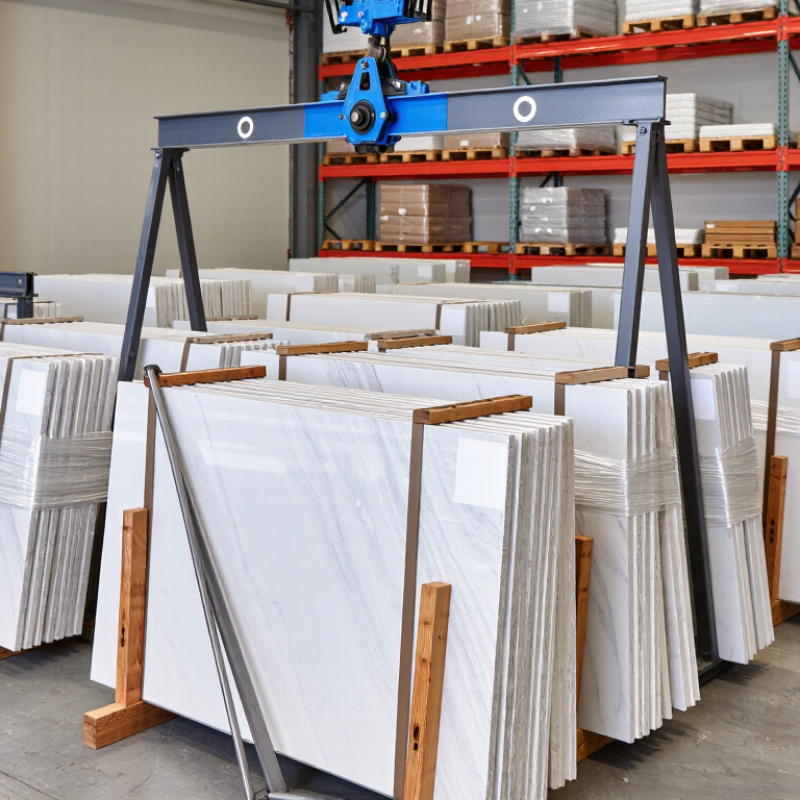
Calcium carbonate stone is composed mainly of calcite, a mineral with the formula CaCO₃. Some deposits also contain dolomite, clay, silica, or iron-bearing minerals. These minor components can affect color, texture, and performance. That variation matters. A pale, uniform block and a veined slab may share a broad mineral identity but behave differently in use.
The stone occurs in several geological forms. Limestone forms from accumulated sediments and may show visible fossils or shell fragments. Marble develops when limestone changes under heat and pressure, producing interlocking crystals and often distinctive veining. Chalk is a soft, fine-grained limestone, while travertine forms from mineral-rich water and commonly has pores or bands. Look closely. Natural patterns are not defects by default, but open pores and weak seams may need careful assessment.
Calcite is relatively soft compared with many building minerals and reacts with acids, including some household cleaners. A small test spot can reveal sensitivity; surface finishes also influence stain resistance and maintenance. Test a sample. Buyers should compare representative pieces, not rely on a single photograph. Ask for details on mineral composition, porosity, dimensions, and finish, since quarry conditions can create real variation. A specification sheet helps, but it cannot fully describe every slab.
| Stone or Material Type | Composition | Common Forms | Key Properties | Typical Uses | Buyer Checks |
|---|---|---|---|---|---|
| Limestone | Sedimentary rock composed mainly of calcite (CaCO₃); some varieties contain dolomite, clay, silica, or fossils. | Blocks, slabs, tiles, pavers, aggregates, and crushed stone. | Properties vary considerably by deposit. Many limestones are workable and relatively porous; calcite-rich material reacts with dilute acids. | Building façades, flooring, paving, cement manufacture, and aggregate. | Request quarry-specific test results for water absorption, density, compressive strength, finish consistency, and freeze–thaw suitability. |
| Marble | Metamorphic rock formed from carbonate-rich rock, usually limestone or dolostone. It is commonly dominated by calcite and may also contain dolomite and other minerals. | Blocks, slabs, tiles, cut-to-size pieces, and architectural components. | Often takes a polished finish and can show veining or recrystallized grains. Calcite-bearing marble is susceptible to acid etching and scratching. | Interior flooring, wall cladding, counters, sculpture, and decorative work. | Confirm mineral type, slab thickness, finish, vein and color tolerances, repair policy, and suitability for the intended exposure. |
| Chalk | Soft, fine-grained limestone composed predominantly of microscopic calcite shells and shell fragments. | Quarried rock, crushed material, and ground mineral products. | Typically soft, porous, and easily worked compared with many dense limestones; strength and moisture behavior depend on the deposit. | Cement and lime production, agricultural applications, and industrial mineral feedstock. | Check moisture, particle size where processed, purity, contaminants, and whether the material is suitable for the intended industrial specification. |
| Travertine | Freshwater carbonate rock deposited from mineral-rich waters, commonly consisting mainly of calcite; some deposits contain aragonite. | Blocks, slabs, tiles, pavers, and filled or unfilled finishes. | Often has visible pores, bands, and natural cavities. It is generally acid-sensitive; porosity and durability vary by grade and finish. | Interior and exterior cladding, flooring, paving, and decorative elements. | Specify filled or unfilled material, surface finish, pore treatment, water absorption, and intended indoor or outdoor use. |
| Calcite stone | Calcite is the mineral calcium carbonate (CaCO₃). Natural calcite-rich stone may occur in veins or crystalline masses and can include other minerals. | Raw mineral, blocks, slabs, and cut or polished decorative pieces. | Calcite has a Mohs hardness of 3 and reacts with dilute hydrochloric acid. Stone performance depends on grain structure, impurities, and fractures. | Decorative stone, mineral specimens, and selected industrial applications. | Verify mineral identification, translucency or color expectations, fracture condition, and handling requirements for the specific material. |
| Supplier-neutral procurement checks | Calcium carbonate content alone does not determine stone performance; texture, mineral impurities, porosity, and natural variability also matter. | Confirm the ordered product form, dimensions, thickness, finish, packaging, and shipment quantities. | For comparable offers, use consistent test methods and test reports representative of the actual quarry and product batch. | Match material selection to the application, exposure, maintenance plan, and applicable project specification. | Request recent independent test reports, batch identification, samples, tolerances, packing details, and written confirmation of the agreed specification. |