China Top Neurological Disorders Device Suppliers?
China’s neurological device sector is expanding across deep brain stimulation, neurodiagnostic systems, rehabilitation equipment, and surgical navigation platforms. This article examines leading Chinese suppliers of neurological disorders device products, focusing on clinical value rather than marketing claims. Product quality can differ sharply between manufacturers. Some companies offer advanced imaging integration, while others specialize in dependable monitoring equipment for hospitals and rehabilitation centers.
Professor Alim-Louis Benabid, a pioneer of deep brain stimulation, has said, “The brain is an electrical organ.” His observation explains why neurological technology demands careful engineering, precise control, and long-term clinical observation. A device placed near neural tissue cannot be judged like an ordinary electronic product. Electrode stability, software accuracy, battery performance, sterilization processes, and physician training all matter. So does patient comfort.
This overview considers supplier experience, research partnerships, manufacturing capability, quality systems, and evidence from real clinical settings. It also reviews how Chinese manufacturers support hospitals, distributors, and international buyers. Regulatory documentation deserves close attention. A polished product brochure is not enough. Buyers should examine certifications, clinical data, maintenance response, cybersecurity safeguards, and replacement-part availability.
The market is promising, but not flawless. Public information may be incomplete, and supplier rankings can change quickly. Some manufacturers have stronger engineering teams than global communication capabilities. Others may provide excellent hardware but limited overseas service. These weaknesses deserve honest discussion. The best supplier is rarely the cheapest one. It is the partner that combines reliable devices, transparent evidence, responsive support, and a realistic understanding of neurological care.
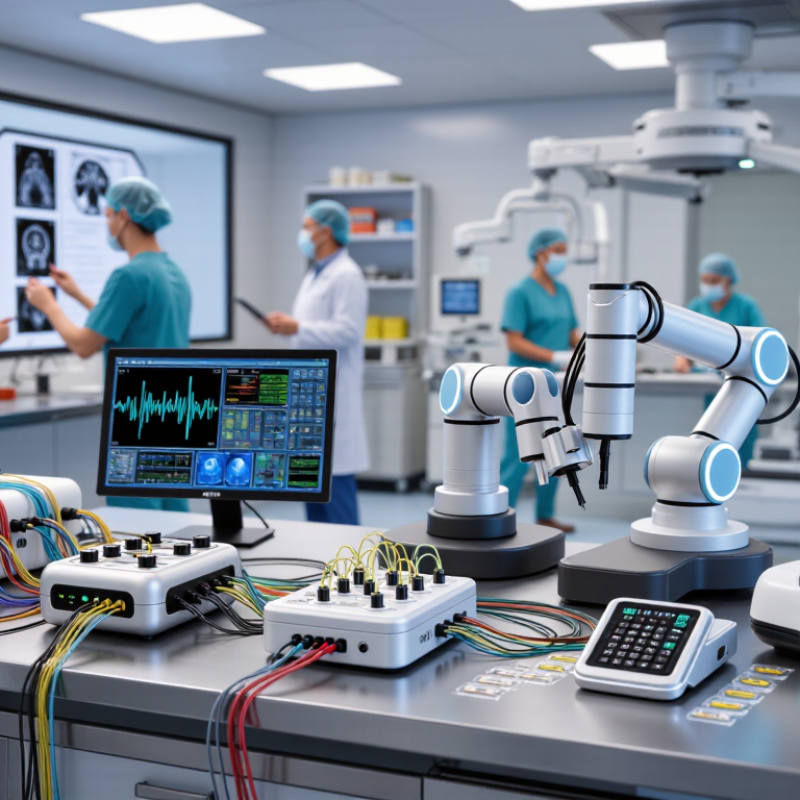
Neurological Disorder Devices: Scope and Clinical Applications
Neurological disorder devices span diagnosis, monitoring, intervention, and rehabilitation. Their clinical scope is broad. The 2024 Global Burden of Disease analysis estimated that 3.4 billion people experienced neurological conditions in 2021. Stroke alone caused about 11.9 million new cases and 7.25 million deaths. These figures explain the demand for practical, scalable equipment.
In hospitals, electroencephalography records seizure activity through electrodes placed across the scalp. Electromyography helps clinicians assess nerve and muscle function. Intracranial pressure monitors support care after severe brain injury. Neuroimaging systems help locate tumors, vascular changes, and degenerative patterns. In operating rooms, stimulation and navigation tools can guide selected procedures with millimeter-level planning. Rehabilitation devices use sensors, robotic assistance, or electrical stimulation to support movement recovery after stroke.
China-based suppliers increasingly cover these categories, from monitoring modules to rehabilitation platforms. Buyers should examine clinical validation, software traceability, cybersecurity, and service response. ISO 13485 certification supports quality management, but certification alone cannot prove clinical usefulness. Real-world evidence matters more. The WHO Neurology Atlas reports major gaps in neurological care capacity across countries, making affordable and maintainable devices especially important. Yet access is not simply a price problem. Training, calibration, replacement parts, and clinician confidence can decide whether a device remains useful. Some market reports forecast strong growth for neurostimulation and rehabilitation equipment, but estimates differ because categories overlap. That uncertainty deserves attention.
China’s Neurological Device Market and Supplier Landscape
China’s neurological device market is expanding with clinical demand, aging, and stronger domestic manufacturing. The 2024 Global Burden of Disease analysis in The Lancet Neurology estimated that neurological conditions affected 3.4 billion people worldwide in 2021. China’s need is especially visible. The National Bureau of Statistics reported 296.97 million residents aged 60 or above in 2023, representing 21.1% of the population. Stroke care, epilepsy monitoring, neurorehabilitation, and spinal intervention remain important purchasing areas.
The supplier landscape is increasingly layered. Domestic manufacturers provide imaging accessories, monitoring systems, surgical instruments, rehabilitation equipment, and selected implantable devices. Research institutions and hospitals also influence product development through clinical evaluations and procurement standards. The China Medical Device Industry Development Report 2024 estimated China’s overall medical device market exceeded RMB 1 trillion in 2023. Neurological equipment represents only part of that value, yet its technical requirements are high. Suppliers must demonstrate electrical safety, clinical usability, cybersecurity, and reliable after-sales service.
Public data remain uneven. This is a weakness. Neurological device figures are often grouped with broader medical equipment categories, making direct comparisons difficult. Buyers should examine registration status, clinical evidence, maintenance records, and training capacity rather than rely on market size alone. A supplier with strong laboratory performance may still struggle in county hospitals, where technicians and replacement parts are limited. Delivery matters. So does field support.
China’s Neurological Device Market and Supplier Landscape
Estimated neurological patient populations indicate the main clinical demand areas for device suppliers in China. Stroke, epilepsy, dementia and Parkinson’s disease support demand for monitoring, rehabilitation, neurostimulation, imaging and surgical systems.
Approximate affected populations: stroke survivors, about 17.8 million; epilepsy patients, about 9 million; people living with dementia, about 10 million; Parkinson’s disease patients, about 3.6 million. Figures are compiled from Chinese national health reports and peer-reviewed epidemiological estimates; publication years and definitions vary. The chart is intended to show clinical demand concentration, not company revenue or market share.
Key Product Categories Offered by Chinese Suppliers
China Top Neurological Disorders Device Suppliers?
Key Product Categories Offered by Chinese Suppliers
Chinese neurological device suppliers commonly cover three practical categories. Neurodiagnostic systems include electroencephalography, electromyography, evoked-potential testing, and transcranial Doppler equipment. Some suppliers also provide polysomnography systems for sleep-related neurological assessments. These devices may include recording amplifiers, patient cables, electrodes, and analysis software. In clinical settings, signal quality matters more than a long feature list.
Neurosurgical product lines often include stereotactic frames, surgical instruments, navigation accessories, and operating-room monitoring equipment. Rehabilitation suppliers focus on gait-training systems, electrical stimulation units, balance platforms, and biofeedback tools. Hospital buyers should examine adjustment ranges, patient weight limits, cleaning procedures, and staff training requirements. Small design details can affect daily use.
Consumables and software deserve equal attention. Suppliers may offer disposable electrodes, grounding pads, replacement sensors, data-management platforms, and remote service support. Documentation should cover calibration, maintenance, cybersecurity, and applicable regulatory requirements. A low quotation can hide expensive accessories or limited technical support. Not every catalog item has strong clinical evidence. That is worth questioning. Independent testing, sample evaluation, and clear warranty terms can reveal weaknesses before installation. Some specifications also look impressive but lack real-world testing. Suppliers with traceable production records and responsive engineers are easier to assess during procurement.
How to Evaluate Leading Chinese Device Suppliers
China’s neurological device sector includes suppliers of monitoring, stimulation, imaging, and rehabilitation equipment. Evaluating them requires more than comparing prices. A serious assessment begins with intended use, patient risk, and clinical workflow.
Review the supplier’s quality system, technical files, and relevant regulatory registrations. ISO 13485 certification is useful, but it is not proof of product performance. Ask for validation reports, electrical safety records, software version history, and traceability from components to finished units. Request samples when possible. Test them under realistic conditions, including long operating hours and unstable network environments. Small details matter, such as alarm clarity, electrode placement, cleaning procedures, and battery replacement time.
Look beyond the sales team. Speak with engineers, clinical trainers, and service managers. Their answers often reveal practical experience. Check whether training materials are clear and whether maintenance support reaches hospitals outside major cities. Review complaint handling, spare-part availability, warranty limits, and response times in writing. A factory visit can help, though a prepared tour may show only the best areas. Independent clinical feedback is stronger than promotional language. I would also compare data security controls, user access levels, and update procedures for connected devices. These points are sometimes overlooked.
No supplier is perfect. A lower-cost system may reduce training options or require more local support. A technically advanced device may be difficult for nurses to operate. Use a documented scoring sheet, record unanswered questions, and reassess evidence before signing a procurement agreement.
Regulatory and Quality Considerations for Medical Buyers
China’s neurological device suppliers serve a growing clinical need. The WHO’s 2024 Global Status Report on Neurology estimates that over 3 billion people lived with neurological conditions in 2021. This demand makes regulatory discipline essential, not optional. Medical buyers should verify the supplier’s NMPA registration, ISO 13485 certification, and product-specific technical documentation. A certificate alone proves little.
For export markets, check alignment with the destination’s rules. The EU Medical Device Regulation requires stronger clinical evidence, post-market surveillance, and traceable risk controls. U.S. submissions may require FDA clearance, cybersecurity documentation, and detailed complaint records. Neurological devices also need careful testing under ISO 14971, IEC 60601, and IEC 62304, where applicable. Ask for software version control, electrical safety results, biocompatibility data, and sterilization validation. Request sample batch records, not only polished brochures.
Quality becomes visible in small details. Can the supplier trace one electrode, sensor, or circuit board to its production record? Are complaints reviewed within a defined timeframe? Does the factory test performance after transport vibration and temperature changes? These questions often expose weak systems. I would not treat a successful audit as the finish line. Audits can miss rushed training, incomplete CAPA actions, or fragile subcontractor controls. The Global Medical Device Nomenclature and relevant industry surveillance reports also support clearer product comparisons. Buyers should document every decision, although real-world procurement rarely feels perfectly controlled. Supplier performance must be reviewed after installation, not just before purchase.