Hospitals and clinics rely on dressings that protect wounds, manage fluid, and stay secure during movement. Yet no single pad suits every wound. The right choice depends on factors such as wound size, drainage, location, surrounding skin, and the care plan. A pad that works well on a lightly draining incision may be unsuitable for a wound that needs greater absorption. Small details matter.
Professor Keith Harding is a recognized wound-healing specialist. A principle consistent with his field can be put this way: “Choose the dressing for the wound, not the shelf.” This is an editorial paraphrase, not a verbatim quotation. It captures why product claims alone are not enough. This guide to the Top 10 Surgical Dressing Pads compares practical features, including absorbency, material, conformability, and ease of use. It also considers how pads perform in busy clinical settings, where gloves, packaging, and quick application can shape daily workflow. The list is intended to support informed product evaluation, not replace clinical judgment or local protocols. Some products may suit one department better than another. That is worth considering. A clear comparison can help teams ask better questions before selecting Surgical Dressing Pads for routine care.
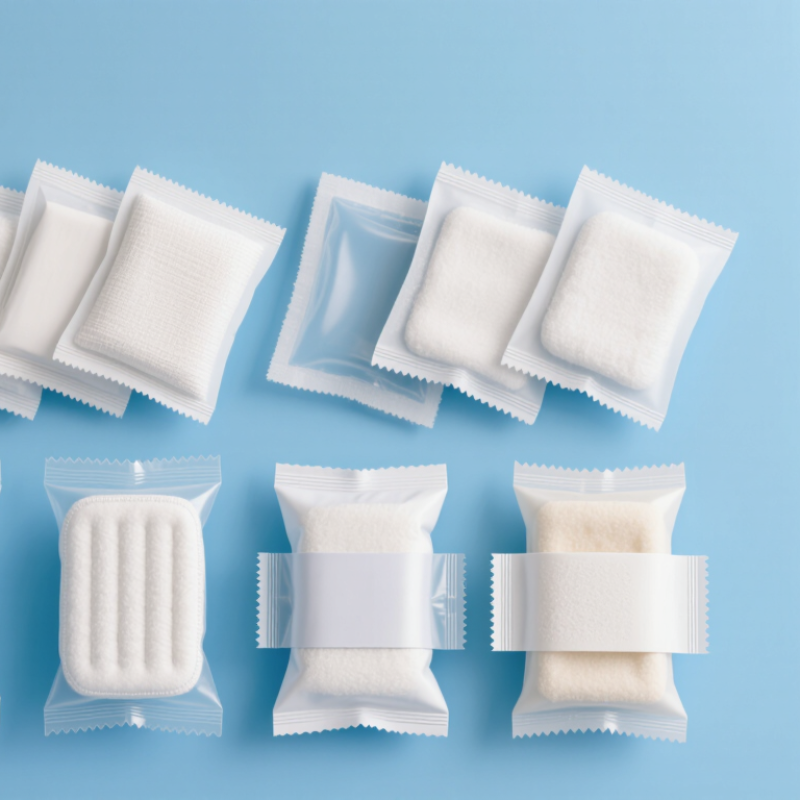
Surgical dressing pads are absorbent materials placed over a wound after an operation or during ongoing wound care. Many have a soft contact layer and a thicker core that collects blood or wound fluid while cushioning the area. Some are sterile and individually wrapped; others are designed for use with a separate fixation method. Their purpose is practical: protect the wound from friction and outside contamination while managing drainage. They do not replace cleaning, assessment, or clinical judgment. Keep the basics clear.
The right pad depends on the wound’s size, location, and amount of drainage, as well as the care plan. A small incision may need a compact pad that stays in place without pulling on nearby skin. A wound with heavier drainage may require more absorbency and closer checks. Fit matters, but it is not always perfect; movement and moisture can loosen an edge. Change the dressing as directed, using clean hands and avoiding contact with the wound-facing surface. Watch for spreading redness, increasing pain, unusual odor, or drainage that changes noticeably. Ask a qualified clinician about these signs or uncertainty over which dressing to use. A quiet detail can matter.
Surgical dressing pads are sterile or clean wound-covering materials used to protect a wound, absorb drainage, or help maintain a suitable wound environment. The options below represent common dressing categories; their suitability depends on the wound, drainage level, surrounding skin, and clinical instructions.
| No. | Dressing pad type | Typical construction | Common wound-care role | Practical considerations |
|---|---|---|---|---|
| 1 | Woven gauze pad | Cotton gauze with a woven structure; supplied in different plies and sizes. | Used for wound cleansing, light absorption, or as a secondary cover over another dressing. | May adhere to a drying wound. Follow clinical instructions when using it directly on the wound bed. |
| 2 | Nonwoven gauze pad | Bonded nonwoven fibers, commonly made from synthetic fibers or a fiber blend. | Used for cleansing, light-to-moderate absorption, and general wound coverage. | Often has a softer, less linting surface than woven gauze, but product properties vary. |
| 3 | ABD (abdominal) pad | A bulky absorbent pad with a soft wound-contact layer and a more resistant backing. | Provides a larger absorbent cover for wounds with moderate to heavy drainage. | Usually secured with tape, a bandage, or another fixation method; check that the pad does not become saturated. |
| 4 | Non-adherent wound pad | A low-adherence contact layer, sometimes combined with an absorbent pad. | Helps cover wounds where reducing dressing adherence during removal is desirable. | Some versions have limited absorbency and may need a secondary absorbent layer. |
| 5 | Silicone contact layer | A soft, perforated silicone-coated mesh or contact layer. | Protects a fragile wound surface while allowing drainage to pass to an outer absorbent dressing. | Typically used with a secondary dressing; follow product directions for placement and reuse or replacement. |
| 6 | Foam dressing pad | Soft absorbent foam, sometimes with a film backing or adhesive border. | Manages light-to-heavy drainage, depending on the specific product and construction. | Not every foam dressing is suitable for every wound or for use under compression; check its instructions. |
| 7 | Alginate dressing | Fibers derived from seaweed-based alginate materials that interact with wound fluid to form a gel. | Used for moderate-to-heavy drainage in appropriate wounds. | Generally not intended for dry wounds. A secondary dressing is usually needed, and removal instructions matter. |
| 8 | Hydrofiber dressing | Absorbent fibers that form a cohesive gel when they take up wound fluid. | Helps absorb and contain drainage in wounds with exudate. | Usually requires an appropriate cover dressing. Use only as directed for the specific product and wound. |
| 9 | Composite island dressing | An absorbent central pad attached to an adhesive border. | Provides a convenient all-in-one cover for many closed surgical incisions and minor wounds. | Choose a size that covers the wound with adequate margin; avoid applying adhesive to irritated or fragile skin when possible. |
| 10 | Antimicrobial dressing pad | A dressing containing an antimicrobial component, such as silver, in a pad, foam, or other dressing format. | May be selected by a clinician when antimicrobial action is considered appropriate for wound management. | Not needed for every wound. Use according to clinical guidance and product instructions, including any limits on duration of use. |
Dressing selection and change frequency should follow the treating clinician’s instructions and the product’s directions. Seek clinical advice if a wound shows worsening redness, increasing pain, unusual swelling, fever, or other signs of concern.