How to Use Single Herb Granules for Health and Wellness?
In recent years, "Single Herb Granules" have gained popularity for their health benefits. Dr. Emily Chen, a well-known herbalist, states, “These granules capture the essence of herbs, making wellness more accessible.” This statement reflects the growing trend of using herbal ingredients in a convenient form.
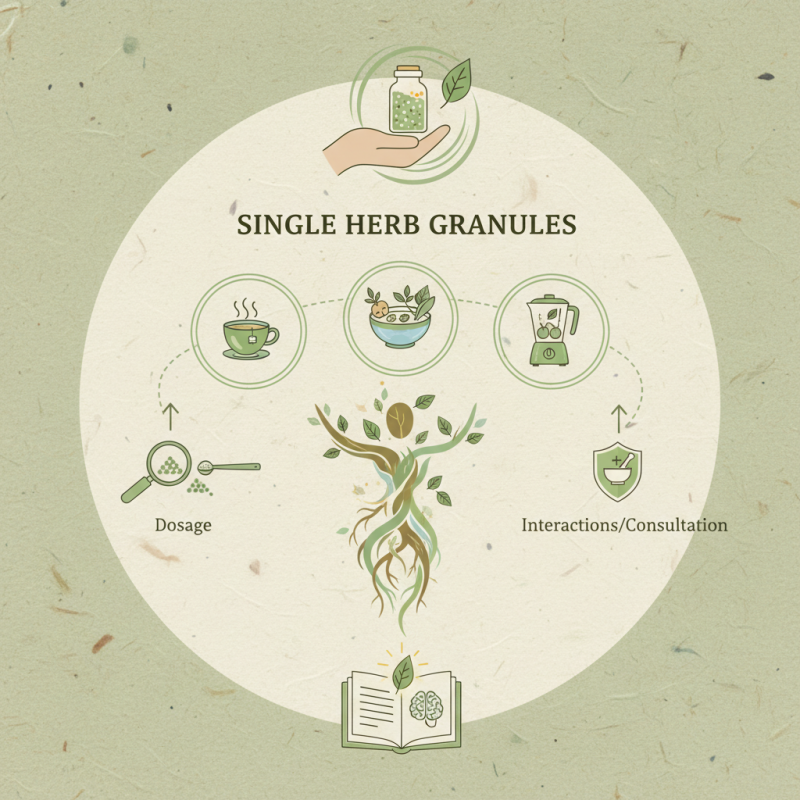
Single Herb Granules offer potent nutrients with ease of use. They can be mixed into teas, soups, or smoothies. For busy individuals, they provide a quick way to incorporate health into daily life. However, not everyone understands the best practices for using these granules effectively. Some may overlook the importance of dosage and potential interactions with other supplements or medications.
Understanding how to use Single Herb Granules properly can enhance their positive effects. Users should seek guidance on the best combinations and applications. It is essential to be informed and mindful. Embracing this holistic approach requires a commitment to learning. Exploring the world of Single Herb Granules invites both challenges and rewards.
Understanding Single Herb Granules and Their Benefits
Single herb granules have gained popularity in the health and wellness industry. They are convenient, concentrated forms of herbs that provide various health benefits. According to a report by the National Center for Complementary and Integrative Health, nearly 38% of adults in the U.S. use some form of complementary and alternative medicine. This includes herbal remedies like single herb granules.
These granules retain the active constituents found in dried herbs. For example, a study published in the Journal of Herbal Medicine found that consumers often benefit from the high bioavailability of substances in granules. They may improve digestion, enhance immunity, or boost energy levels. However, users should be aware of potential side effects. Some people may experience allergic reactions or gastrointestinal discomfort. It's vital to use them responsibly and consult a healthcare professional when needed.
As the industry grows, sourcing quality granules becomes crucial. Not all products undergo rigorous testing. Transparency regarding ingredients is often lacking. Therefore, it is essential to be cautious when selecting these products. Choose suppliers who provide clear information on sourcing and quality control. Informed choices lead to better health outcomes.
Health Benefits of Single Herb Granules
Choosing the Right Single Herb Granules for Your Needs
Choosing the right single herb granules can be overwhelming. Different herbs serve various purposes. It’s essential to identify your health goals before diving in. For example, if you're seeking to boost immunity, look for granules known for that benefit. Some may promote relaxation, while others support digestion.
Consider your personal preferences as well. Taste, ease of use, and the method of preparation matter. Some granules dissolve easily in water, while others may require cooking. Don't forget to read the specific instructions for each herb. They can vary significantly. You might find some granules too bitter or hard to mix.
Reflect on how your body reacts to different herbs. Everyone is unique, and results can vary. Keeping a journal can help track your progress. This approach allows you to adjust your selections over time. Embracing this trial-and-error method can lead to a more personalized experience.
Methods of Incorporating Single Herb Granules into Your Diet
Incorporating single herb granules into your diet can be simple and impactful. These granules offer concentrated nutrients, making it easier to reap health benefits without consuming large quantities. Many studies suggest that certain herbs can boost immunity and enhance digestion. For instance, a report from the Herbal Insights Institute noted that 68% of participants felt an improvement in their overall wellness after adding herbs to their routines.
You can add single herb granules to smoothies, soups, or teas. This method enhances flavor and nutrition. Mix a teaspoon of granules into your morning smoothie for an energy boost. Just remember to adjust the rest of your ingredients to balance the taste. Not everyone enjoys the strong flavor of some herbs. Explore different combinations until you find what works for you.
Tip: Start with small amounts of granules. This way, you can see how your body responds. Gradually increase the dosage as needed. Be mindful of potential adverse reactions. A balancing approach can help you maximize the benefits. Experimentation is key. The journey to optimal health often involves trial and error.
Recommended Dosages and Usage Guidelines for Herb Granules
When exploring the world of single herb granules, understanding the recommended dosages is key. Each herb has a unique profile, affecting how it interacts with our bodies. For beginner users, starting with a small dose is wise. Typically, a quarter to half of the suggested amount on the packaging can be effective. This cautious approach permits your body to adjust gradually. Monitor how you feel after taking the herb, as reactions can vary greatly.
As your comfort level increases, you may choose to incrementally raise your dosage. However, it's crucial not to rush this process. Some herbs, like adaptogens, may require consistent use for optimal benefits. But they can also lead to unexpected outcomes if overused. Pay attention to any adverse reactions, no matter how minor they seem. It’s about finding a balance that feels right for you and respecting your body’s signals.
Additionally, timing plays a role in usage. Some herbs are better suited for morning consumption, while others may be more effective in the evening. Experimenting with different times could yield varying results. Keeping a journal might help track your experiences with each herb. Reflecting on this, you may identify patterns in how specific granules impact your wellbeing. This mindful approach fosters a deeper connection with your health journey.
Potential Side Effects and Precautions When Using Herb Granules
When using single herb granules, it's important to understand potential side effects. While many herbs are safe, some can cause issues. Common side effects include nausea, headaches, or digestive problems. Individual responses may vary, so always be cautious.
Consider your personal health. Are you pregnant or nursing? Certain herbs might not be safe for you. Additionally, if you have existing health conditions, consult a healthcare professional. Mixing herbs can also lead to unexpected reactions. Always start with small amounts and observe how your body reacts.
**Tips:** Always read labels. Look for any warnings or contraindications. Keep a journal of how you feel when using these granules. It’s useful to track any changes in your health. If an herb doesn’t agree with you, reassess its use. Your well-being matters most.