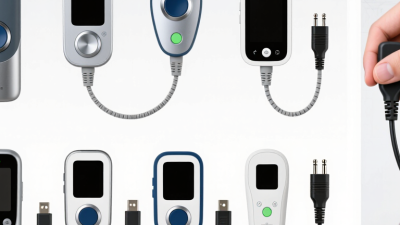
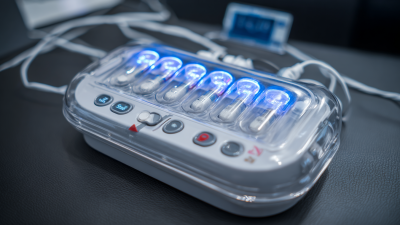
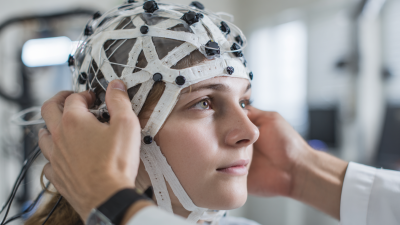
An electrical stimulation device delivers controlled electrical pulses through surface electrodes to selected nerves or muscles. Clinicians may use these devices for pain management, muscle activation, rehabilitation, or temporary support during recovery. The purpose depends on the device type, the treatment goal, and the user’s health history.
A physiotherapist might place electrodes beside a recovering knee, then adjust intensity gradually. The sensation can feel like gentle tapping, tingling, or rhythmic muscle movement. Small changes matter. Electrode position, pulse settings, skin condition, and session length can influence comfort and results. Evidence supports some applications, but outcomes vary between individuals and conditions. This is not a universal solution.
Clinical guidance remains important.
Reliable use begins with clear instructions and realistic expectations. Users should follow the manufacturer’s directions and seek professional advice when symptoms are complex, persistent, or worsening. People with implanted electronic devices, reduced sensation, damaged skin, or certain medical conditions may require special assessment. A qualified healthcare professional can identify risks that a product leaflet may not explain fully.
Research findings are encouraging in selected areas, yet they are not perfectly consistent. That uncertainty deserves attention. An electrical stimulation device may complement exercise, physical therapy, or prescribed care, but it should not automatically replace them. Careful monitoring is essential. If pain increases, skin becomes irritated, or unusual symptoms appear, stop using the device and request medical guidance. Understanding both its benefits and limits makes electrical stimulation safer, more practical, and more trustworthy.
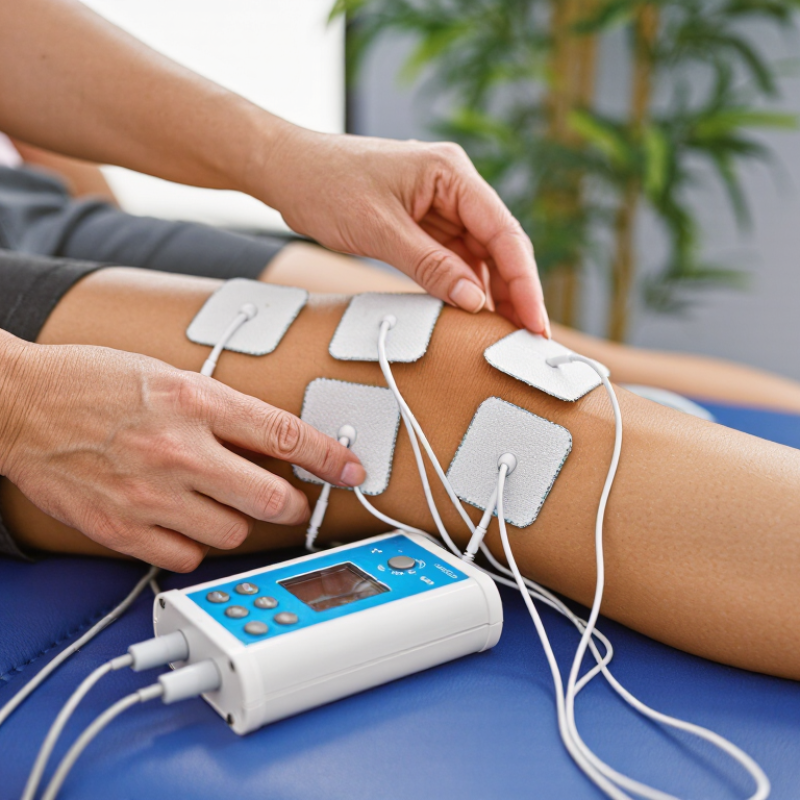
An electrical stimulation device is a small electronic unit used to deliver controlled electrical pulses through the skin. It usually connects to adhesive electrodes placed near a painful area or weakened muscle. These pulses may feel like tapping, tingling, or gentle muscle fluttering. The sensation should stay comfortable, never sharp or burning. Most devices allow users to adjust intensity, pulse rate, and treatment time. A device is not a general cure. Its purpose depends on its design and the person using it.
Transcutaneous electrical nerve stimulation, or TENS, is commonly used for temporary pain relief. Neuromuscular electrical stimulation, or NMES, can activate selected muscles during rehabilitation. In practical use, clean, dry skin helps electrodes stay attached. Loose cables, sweaty skin, or poorly placed pads can reduce the effect. Small details matter. A session may last several minutes, but a healthcare professional should guide the schedule when treating an injury or medical condition. Comfort is useful feedback, not proof that healing is occurring.
People with implanted electronic devices, reduced skin sensation, or certain health conditions should seek professional advice before use. Electrodes should not be placed across the chest, on the front of the neck, over open wounds, or on irritated skin. Instructions can differ between devices, so reading the manual is essential. I would not assume stronger pulses produce better results; that idea sounds reasonable but may cause discomfort or skin irritation. Reliable use requires proper placement, gradual adjustment, and realistic expectations.
| Dimension | What It Means | Common Clinical or Practical Use | Typical Technical Characteristics | Key Considerations |
|---|---|---|---|---|
| Basic definition | An electrical stimulation device delivers controlled electrical pulses through electrodes placed on the skin or, in some medical applications, through implanted leads. | Depending on the device type, stimulation may be used for pain management, muscle activation, rehabilitation, or selected neurological and cardiac therapies. | Output is generally described by waveform, pulse duration, frequency, amplitude, and treatment time. | Settings and intended uses vary substantially by device. A device should be used only for its labeled purpose and according to professional instructions. |
| Transcutaneous electrical nerve stimulation (TENS) | TENS applies surface electrical pulses primarily to sensory nerves. | Often used as a non-drug option for temporary relief of some types of acute or chronic pain. | Common protocols use frequencies from approximately 1 to service? 150 Hz, with pulse widths commonly ranging from about 50 to 250 microseconds; exact settings vary. | It may reduce pain for some users, but results differ according to the condition, electrode placement, and treatment settings. It does not treat the underlying cause of every pain condition. |
| Neuromuscular electrical stimulation (NMES) | NMES stimulates motor nerves to produce visible or palpable muscle contractions. | May support muscle re-education, activation of weakened muscles, and rehabilitation when combined with voluntary exercise. | Protocols commonly use lower frequencies than sensory-only stimulation, often around 20–50 Hz, with rest periods to limit fatigue. | Proper electrode placement and a suitable contraction intensity are important. NMES is not a replacement for an individualized rehabilitation program. |
| Functional electrical stimulation (FES) | FES coordinates electrical stimulation with a purposeful movement or task. | May assist selected activities such as foot lifting during walking, cycling movements, or grasp and release training after neurological injury. | Stimulation is usually synchronized with movement using timed pulses, sensors, switches, or programmed control. | It is most effective when the targeted peripheral nerves and muscles can respond. Assessment by a qualified clinician is commonly required. |
| Interferential current (IFC) | IFC uses two medium-frequency alternating currents that intersect to create a modulated therapeutic frequency in the treatment area. | Used in some clinical settings for symptomatic pain relief and muscle stimulation. | Carrier frequencies are often in the kilohertz range, with a lower beat frequency selected by the treatment protocol. | Evidence and clinical benefit vary by condition. Treatment should follow professional guidance because electrode arrangement and intensity affect the result. |
| Potential reasons for use | Electrical stimulation can provide a non-invasive way to influence sensory nerves, motor nerves, or muscles. | Possible goals include temporary pain relief, improved muscle activation, support during rehabilitation, and practice of task-related movement. | Benefits depend on the stimulation type, treatment dose, target tissue, and the person’s medical condition. | Electrical stimulation is generally an adjunct to exercise, movement training, medication, or other care rather than a universal stand-alone treatment. |
| Expected sensations | Users may feel tingling, tapping, buzzing, or rhythmic muscle contraction. | Sensory stimulation is commonly adjusted to a strong but comfortable level; motor stimulation may intentionally produce a visible contraction. | Comfort is influenced by current amplitude, pulse width, frequency, electrode size, skin condition, and electrode contact. | Sharp pain, burning, persistent numbness, skin damage, dizziness, or unusual symptoms are reasons to stop and seek professional advice. |
| Common precautions | Electrical stimulation is not appropriate for every person or body area. | Extra caution is required for people with implanted electronic devices, certain heart conditions, impaired sensation, seizure disorders, or pregnancy-related treatment needs. | Stimulation should not be applied across the chest, over the front of the neck, over the head, through broken or infected skin, or near areas where electrode placement is not medically appropriate. | Users should consult a healthcare professional before treatment when they have an implanted device, significant medical condition, reduced sensation, or uncertainty about safe placement. |
| Factors affecting results | Outcomes are influenced by both the device settings and the treatment context. | Relevant factors include the diagnosis, treatment objective, electrode placement, intensity, session duration, frequency of use, and concurrent exercise or therapy. | Small changes in pulse width, frequency, amplitude, and duty cycle can change whether stimulation feels sensory, produces contraction, or causes fatigue. | More intensity is not automatically better. A gradual, monitored increase is generally preferable to uncomfortable or uncontrolled stimulation. |
| Regulatory and purchasing checks | Electrical stimulation devices differ in intended use, safety controls, and regulatory status. | Consumers should select a device with clear instructions, appropriate safety information, electrode compatibility, and an intended use that matches their needs. | Important specifications include adjustable intensity, waveform, pulse duration, frequency range, timer function, channel configuration, and output limits. | Verify applicable local regulatory authorization and follow the user manual. Avoid devices with unclear specifications or unsupported medical claims. |