Choosing a Hip arthrosis system in 2026 requires more than comparing prices, brand names, or polished product brochures. It demands clinical judgment, current evidence, and a clear understanding of each patient’s daily life. A patient who walks several kilometers every day may need different planning from someone managing diabetes, osteoporosis, or limited mobility. The right decision begins with accurate imaging, physical examination, medical history, and realistic expectations.
This guide examines how orthopedic teams assess implant design, bearing surfaces, fixation methods, surgical approach, and long-term performance. It also considers surgeon experience, hospital protocols, rehabilitation support, and the manufacturer’s quality controls. These details matter. A stable cup, reliable instruments, and careful alignment can influence comfort and revision risk. However, no device guarantees a perfect result. Even experienced teams can face unexpected bone quality, infection, leg-length concerns, or difficult recovery.
Look beyond marketing claims. Check peer-reviewed studies, registry data, regulatory status, and transparent safety reporting. Ask whether evidence applies to your age, activity level, anatomy, and health conditions. A system that performs well in younger athletes may not suit every older adult. The evidence is strong, but never complete. That matters.
This 2026 overview offers a practical framework for informed discussion with qualified orthopedic professionals. It does not replace individualized diagnosis or surgical advice. Instead, it helps readers ask sharper questions before choosing a system. Small details deserve attention, including implant compatibility, revision planning, follow-up schedules, and the rehabilitation pathway after surgery.
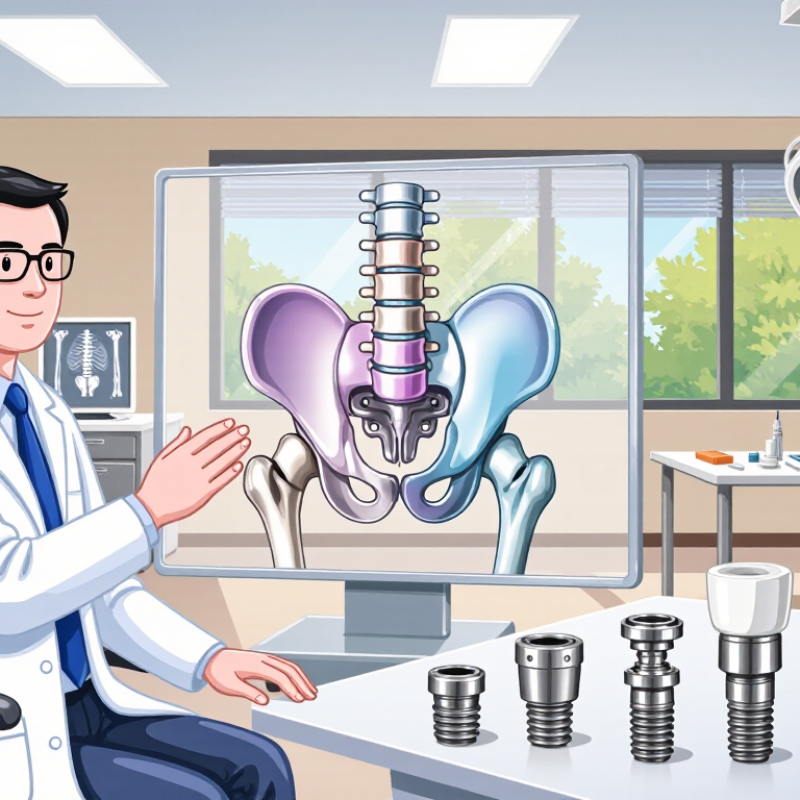
2026 How to Choose a Hip Arthrosis System?
Hip arthrosis, or hip osteoarthritis, develops as cartilage gradually wears down. Pain may begin during walking, stair climbing, or standing after sitting. The World Health Organization reported 528 million people lived with osteoarthritis in 2019. About 73% were older than 55. These figures show why treatment systems must support long-term function, not only short-term pain relief.
A suitable system usually combines exercise therapy, weight management, mobility aids, medication review, and regular clinical assessment. Advanced disease may require hip replacement surgery. The choice depends on pain severity, bone quality, activity goals, age, and other health conditions. Professional joint-replacement reports show that outcomes depend heavily on surgical quality and follow-up care. A device can be technically excellent, yet still unsuitable for one patient. That is an uncomfortable truth. No system is perfect.
Tips: Ask how the system fits your daily routine. Check expected recovery time, rehabilitation access, material options, and revision planning. Request evidence from national registries or peer-reviewed studies, rather than relying on advertisements. Discuss walking distance, sleep disruption, and work demands with an orthopaedic specialist. The 2023 WHO osteoarthritis report also emphasizes person-centred care and individualized management. Your decision should reflect both clinical evidence and lived experience. Also, leave room for uncertainty. Forecasts can change.
| Treatment system | Typical role | Best suited for | Expected benefits | Key limitations and risks | Evidence-based selection considerations |
|---|---|---|---|---|---|
| Education, activity modification and exercise | Usually the first treatment layer for symptomatic hip arthrosis. | Most people, including those with mild to moderate symptoms and people preparing for surgery. | May improve pain, walking ability, hip strength and daily function without surgical risks. | Requires regular participation; it does not restore lost cartilage or reverse structural joint damage. | A supervised program may include strengthening, range-of-motion work, low-impact aerobic activity and self-management education. Exercise should be adjusted to pain and function. |
| Weight management and walking support | Supportive care used alongside exercise and other treatments. | People with overweight or obesity, gait difficulty, weakness or load-related pain. | May reduce joint loading and improve mobility, cardiovascular health and readiness for surgery. | Weight reduction can be difficult; canes and walkers require correct fitting and training. | A cane is generally used in the hand opposite the painful hip. Weight-related treatment should be individualized and non-stigmatizing. |
| Oral or topical pain medication | Symptom control when non-drug measures alone are insufficient. | People who need temporary or ongoing pain relief and have been screened for medication risks. | Non-steroidal anti-inflammatory drugs can provide meaningful short-term pain relief for many patients. | Possible gastrointestinal bleeding, kidney injury, cardiovascular effects, liver toxicity or drug interactions. Risk increases with age and comorbidities. | Use the lowest effective dose for the shortest appropriate duration under clinical guidance. Routine long-term opioid therapy is generally avoided because of dependence and other harms. |
| Intra-articular corticosteroid injection | Short-term symptom relief when pain limits rehabilitation or daily activities. | Selected patients with persistent pain after assessment and conservative care. | May reduce hip pain for a limited period and help participation in exercise. | Temporary effect; infection, bleeding, blood-glucose elevation and rare joint-related complications are possible. | Hip injections should be image-guided because the joint is deep. Many surgeons avoid performing an injection close to planned arthroplasty because infection risk may be higher; timing must be discussed with the surgical team. |
| Hip arthroscopy or joint-preserving surgery | Treatment of selected structural problems rather than advanced diffuse arthrosis. | People with specific conditions such as impingement or labral pathology and limited established cartilage loss. | May address mechanical causes of symptoms and delay replacement in carefully selected cases. | Less predictable when there is advanced joint-space loss, extensive cartilage damage or severe stiffness; further surgery may be required. | Radiographs, examination, symptom pattern and joint preservation potential are essential. It is not usually a substitute for replacement in end-stage arthrosis. |
| Total hip arthroplasty | Definitive joint-replacement treatment for severe, disabling arthrosis. | People with persistent pain and functional limitation despite appropriate non-surgical treatment, with imaging that supports the diagnosis. | Usually provides substantial pain relief and functional improvement. Modern implants commonly show survival above 90% at 10 years, although results vary by patient and implant design. | Infection, blood clots, dislocation, fracture, leg-length difference, nerve injury, loosening and revision surgery are possible. | Choice depends on age, bone quality, activity, anatomy, comorbidities, surgeon experience, fixation method and bearing material. Shared decision-making is recommended. |
| Cementless fixation system | Fixation method for the femoral and/or acetabular components of total hip replacement. | Often considered for patients with adequate bone quality, including many younger or more active adults. | Allows bone growth onto a textured implant surface and avoids cement-related implantation steps. | Early thigh pain, stress shielding, intraoperative fracture and the need for protected weight-bearing in selected cases may occur. | The decision is based on bone quality, fracture risk, anatomy and surgeon judgment. “Cementless” does not automatically mean better for every patient. |
| Cemented fixation system | Fixation method using bone cement to secure one or both replacement components. | May be useful in older adults, people with fragile bone or selected fracture-related cases. | Provides immediate fixation and can be advantageous when bone ingrowth is unlikely to be reliable. | Potential cement-related physiological reactions, cement mantle failure or later loosening; risks depend on patient and technique. | Age alone should not determine fixation. Bone density, fracture risk, mobility and the expected load on the implant should be assessed. |
| Hip resurfacing system | A bone-preserving alternative to conventional total hip replacement in selected patients. | Usually considered for younger, active adults with strong bone, suitable anatomy and a low risk of adverse metal-ion reactions. | Preserves more femoral bone and uses a larger femoral head, which may support stability and high activity in selected patients. | Femoral-neck fracture, metal wear debris, adverse local tissue reactions and metal-ion monitoring concerns can occur. It is not appropriate for everyone. | Requires careful patient selection, informed consent and long-term follow-up. It is generally avoided in poor bone quality, advanced renal disease, metal sensitivity and some anatomical conditions. |
| Revision hip arthroplasty | Replacement or reconstruction of a failed, worn, loose, infected or dislocated hip prosthesis. | Patients with confirmed implant failure or complications after previous hip replacement. | Can address loosening, instability, wear, fracture or infection and restore function when appropriate. | More complex than primary replacement, with higher risks of blood loss, infection, dislocation, fracture and further revision. | Requires detailed imaging, laboratory testing and evaluation of bone loss. Suspected infection should be investigated before revision planning. |