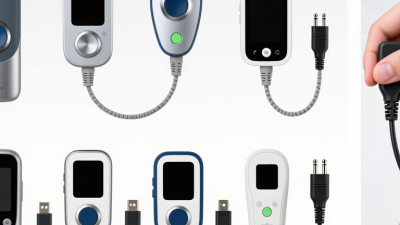
Choosing the right electrical stimulation device in 2026 requires more than comparing pulse settings or counting electrode pads. Buyers must examine the intended use, clinical evidence, user profile, and operating environment. A device for temporary pain relief differs greatly from one designed for muscle re-education or functional movement. TENS units usually target sensory nerves. NMES and EMS systems stimulate motor nerves and muscles. FES devices coordinate stimulation with movement, while IFC and microcurrent products use different waveform approaches. The labels can sound similar. The results may not be.
Rehabilitation engineer Dr. William J. Heetderks has emphasized that “functional electrical stimulation is the application of electrical currents to activate nerves and muscles.” His view remains useful for buyers because it separates genuine physiological purpose from attractive marketing language. A reliable comparison should include waveform control, adjustable intensity, channel number, battery performance, electrode quality, skin-contact design, and clinical support. Look for clear instructions and traceable manufacturing information. Avoid assuming that a higher output means better therapy.
Real purchasing decisions are rarely perfect. A compact wearable may improve adherence, yet offer fewer controls. A professional system may provide precision, but require trained supervision. Comfort matters, too. A stiff electrode can lose contact during walking. A weak battery can interrupt a home session. Buyers should also review contraindications and consult qualified healthcare professionals when necessary, especially for implanted electronic devices, pregnancy, reduced sensation, or unexplained pain. This 2026 guide compares leading electrical stimulation device types with practical caution, because impressive specifications do not guarantee meaningful outcomes.
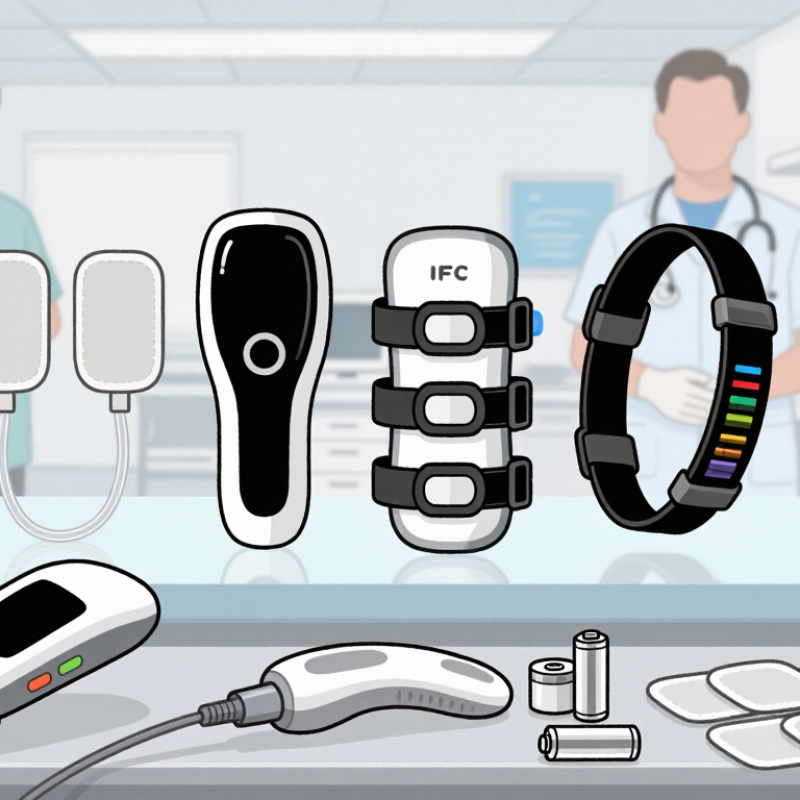
Electrical stimulation devices deliver controlled electrical pulses through electrodes placed on the skin. These pulses can activate sensory nerves, motor nerves, or muscles. The effect depends on frequency, intensity, pulse width, and electrode position.
TENS devices mainly target sensory nerves and may help manage temporary discomfort. EMS and NMES devices stimulate muscles, creating visible contractions. FES uses timed stimulation to support specific movements, such as lifting a foot during walking. Microcurrent devices use very low current, although their results can be harder to measure consistently. The category names sometimes overlap, which can confuse buyers.
The label is not always precise.
In practical use, comfort and electrode contact strongly influence performance. Dry skin, loose pads, or incorrect placement can weaken the signal. Buyers should check adjustable settings, electrode replacement costs, instructions, and professional support. Do not assume stronger current means better results. It may only cause unpleasant contractions or skin irritation. Evidence also varies by device type and intended use, so marketing claims deserve careful review.
Tips: Start with the lowest comfortable intensity and follow the supplied instructions. Inspect the skin before and after use. Avoid placing electrodes across the chest or near the front of the neck unless qualified medical guidance specifically permits it. People with implanted electronic devices, reduced sensation, pregnancy concerns, or unexplained pain should seek professional advice first. Even experienced users can misjudge placement.
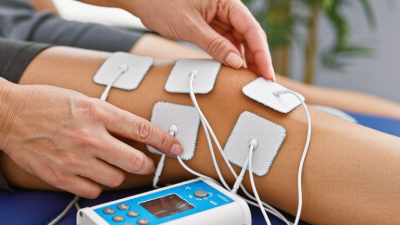
In 2026, electrical stimulation devices mainly serve pain management, muscle training, rehabilitation, and circulation support. Transcutaneous electrical nerve stimulation, or TENS, delivers mild pulses through skin electrodes. Buyers often choose it for temporary pain relief during home use. Portable controls, adjustable intensity, and secure electrode pads matter more than flashy screens.
Electrical muscle stimulation, known as EMS, activates muscles during conditioning or recovery. Neuromuscular electrical stimulation, or NMES, is more commonly used when targeted muscle contraction is needed after weakness or injury. Functional electrical stimulation, or FES, combines stimulation with movement, such as assisting a controlled foot lift. Interferential current devices use crossing electrical currents and may suit professional therapy settings. Microcurrent devices deliver very low electrical output, but research quality and user expectations require careful review.
No device fits every body. Buyers should check waveform settings, electrode size, battery safety, cleaning instructions, and treatment records. A trained clinician can help match the device to a person’s condition and skin sensitivity. Avoid placing electrodes over the chest, damaged skin, or implanted electronic devices unless a qualified professional approves use. More intensity is not automatically better. Even experienced users can misjudge comfort after exercise or reduced sensation. Independent clinical evidence, clear instructions, warranty support, and appropriate regulatory documentation are practical signs of a reliable purchase.
Electrical stimulation devices support different needs across healthcare, fitness, and rehabilitation. Transcutaneous electrical nerve stimulation, or TENS, is commonly selected for temporary pain relief. It delivers mild pulses through surface electrodes. Users may feel tingling, not sharp discomfort. Settings should follow clinical guidance and individual tolerance.
Neuromuscular electrical stimulation, or NMES, activates weakened muscles during recovery. Therapists may pair it with knee extensions, walking practice, or controlled hand exercises. Functional electrical stimulation, or FES, coordinates stimulation with movement. It can assist foot lifting during gait training or support grasping tasks. Electrode placement matters greatly. A small shift can change comfort and muscle response.
Fitness buyers often compare EMS systems for warmups, recovery, or targeted muscle activation. However, stronger stimulation does not guarantee better results. The body still needs progressive exercise, rest, and proper technique. Practical buyers should examine adjustable intensity, pulse settings, electrode quality, cleaning procedures, and user instructions. Healthcare facilities also need documented safety controls and trained operators. This is not an area for guesswork.
Individual response can vary with skin condition, sensation, fatigue, and medication. People with implanted electronic devices or certain medical conditions may require professional clearance. Even experienced users can misjudge intensity after a demanding session. That limitation deserves attention. A reliable purchasing decision considers the device, the operator, and the person receiving treatment.
Electrical stimulation devices differ by purpose, waveform, and control. TENS units usually target short-term pain relief through surface electrodes. EMS and NMES devices stimulate muscle contraction during rehabilitation or training. FES systems support specific movements, such as lifting a foot while walking. Compare the intended use, not just the advertised intensity. A stronger current is not automatically better.
Grand View Research reported steady global growth in the electrotherapy market, supported by rehabilitation demand and home-care use. Its market analysis also highlights portable systems as an expanding category. When comparing models, check pulse width, frequency ranges, electrode size, timer settings, and adjustable channels. A clear display matters when your hands are sore or your vision is limited. Look for documented testing, readable instructions, and safety warnings from recognized medical authorities.
Fit matters more than packaging. Electrodes should sit flat, without sharp edges or drying gel. Test whether the controls prevent accidental intensity increases. A device with many programs can still be confusing. That is easy to overlook. Check battery replacement costs and cleaning requirements, too.
The U.S. Food and Drug Administration advises reviewing intended use and contraindications before using electrical stimulation equipment. Avoid placing electrodes near the chest, front of the neck, or damaged skin unless a qualified clinician gives specific guidance.
Market reports are useful, but they cannot replace clinical assessment. My practical view is imperfect: a simpler device may be safer, yet some users need advanced settings for supervised rehabilitation.
For 2026 buyers, electrical stimulation devices include TENS, EMS, and NMES systems. TENS commonly supports temporary pain relief. EMS and NMES target muscle activation during rehabilitation or training. The device type should match a documented need, not a popular online claim.
Safety begins with credible testing. Look for evidence of IEC 60601-1 compliance and relevant requirements for nerve and muscle stimulators. ISO 14971-based risk management also indicates structured hazard control. Check electrode cables, output limits, skin-contact materials, and automatic shutoff features. A clean interface does not guarantee safe use.
Users should inspect their skin before each session. Do not place electrodes over broken skin, the front of the neck, or across the chest. People with implanted electronic devices, pregnancy, seizure disorders, or unexplained pain should seek qualified medical advice first.
Start with low intensity and record redness, discomfort, and session duration. In practical evaluations, instructions are often clear, but placement diagrams can still confuse beginners. That weakness deserves attention.
Future systems may use skin sensors, adaptive current, and closed-loop control. These features could improve consistency, but they also raise privacy and software reliability concerns. Buyers should ask how data is stored, updated, and protected. More automation is not always better. A clinician-reviewed setting may remain safer than an impressive algorithm.
*The content on this website is for general informational purposes only and should not be taken as medical advice. Please contact your physician or therapist to learn what therapy solution is suitable for your specific needs. Not all products, features, or indications shown are approved in all countries.