What Is the Best China Neurological Disorders Device?

Choosing the best China neurological disorders device requires more than comparing prices, specifications, or marketing claims. The right choice depends on clinical purpose, patient safety, evidence quality, and the support available after installation. Hospitals may assess EEG systems, neurostimulation equipment, rehabilitation robots, or digital monitoring platforms differently. A device used in a quiet epilepsy unit has different demands from one used in a busy rehabilitation ward.

Practical experience matters. Clinicians often examine signal clarity, electrode comfort, software stability, cleaning procedures, and staff training. A reliable supplier should provide validated performance data, transparent technical documentation, and responsive maintenance. Service engineers should also understand hospital workflows, not merely replace components. In China, buyers may review registration status, applicable standards, cybersecurity controls, and the manufacturer’s clinical partnerships. These details can influence daily care more than an impressive product brochure.

No single model is best for every neurological condition. That conclusion may sound obvious, yet purchasing decisions sometimes overlook it. Evidence can also be uneven, especially for newer technologies. Independent studies, real-world hospital feedback, and carefully designed trials deserve greater weight than promotional language. Patients with Parkinson’s disease, stroke-related weakness, epilepsy, or cognitive impairment may require very different solutions. Therefore, this guide compares leading options through a balanced clinical and technical lens. It considers effectiveness, usability, safety, total ownership cost, and long-term support. Some recommendations may remain uncertain. That uncertainty should be stated openly, because responsible device selection depends on evidence, professional judgment, and the needs of each patient.
What Is the Best China Neurological Disorders Device?

What Are Neurological Disorders Devices and How Do They Work?

What is the best China neurological disorders device? The answer depends on the patient, diagnosis, and treatment goal. Neurological devices may support diagnosis, rehabilitation, symptom control, or continuous monitoring. A reliable choice should offer clear clinical evidence, stable performance, and trained technical support. Price alone is not a useful measure of quality.

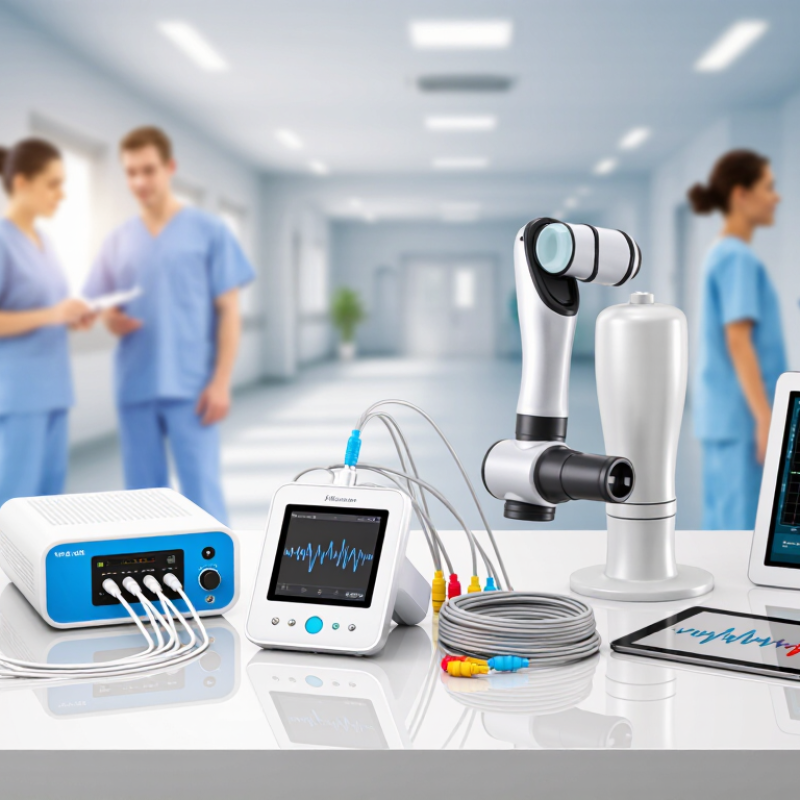
Some devices record brain activity through electroencephalography, using sensors placed on the scalp. Others measure muscle and nerve signals through electromyography and nerve conduction testing. Rehabilitation systems may provide controlled electrical stimulation, guided movement, or visual feedback. These methods can help clinicians observe weak signals, track recovery, and adjust therapy. However, results depend on correct sensor placement and careful interpretation. A technically advanced device can still produce poor data.

Tips: Ask whether the device is intended for hospitals, clinics, or home use. Check its medical certification, maintenance process, software security, and operator training. Request evidence from clinical studies, not only sales materials. Confirm that replacement parts are available locally. Patients should never change stimulation settings without professional guidance. I would also question impressive claims that promise rapid recovery. Some measurements look precise but may not reflect daily function. That limitation deserves honest discussion.
Which Neurological Conditions Can These Devices Help Manage?

In practice, the best China-made neurological device depends on the condition, treatment goal, and clinical evidence. One device cannot serve every patient. Hospitals may assess electrical safety, software reliability, clinician training, and published research before adoption. Patient comfort also matters, especially during repeated sessions. A technically advanced device can fail in practice if setup takes too long or instructions remain unclear.

These devices may help manage several neurological conditions. Electroencephalography systems can support epilepsy assessment by recording abnormal brain activity. They do not replace a neurologist’s diagnosis. Rehabilitation robots and functional electrical stimulation may assist people recovering from stroke, particularly with arm or leg weakness. For Parkinson’s disease, selected stimulation systems may help reduce tremor or movement difficulties under specialist supervision. Non-invasive brain stimulation is also being studied for motor recovery, depression linked with neurological illness, and chronic pain. Results vary.

Some devices target spasticity after spinal cord injury or stroke. Others support gait training, balance exercises, or home-based therapy for multiple sclerosis. Neuropathic pain devices may use electrical stimulation, but relief is not guaranteed. I would examine clinical data from comparable patients, not impressive demonstrations alone. That is where evaluations can become imperfect. Long-term evidence may be limited, and a promising prototype may not suit routine care. Treatment decisions should include neurological examination, contraindication screening, measurable goals, and regular follow-up.

What Features Define the Best Neurological Disorders Device in China?

What Is the Best China Neurological Disorders Device?

The best neurological disorders device in China should support accurate assessment, safe treatment, and practical clinical work. It must match the patient’s condition, not simply offer impressive technical specifications. Reliable devices can measure movement, muscle activity, balance, or cognitive responses with consistent results. Clear displays and simple controls also matter. Clinicians cannot waste time on confusing menus.

Safety comes first. The device should use appropriate electrical protection and follow relevant Chinese medical device requirements. Clinical evidence, calibration records, and transparent technical documentation strengthen professional trust. Data encryption and controlled access are essential when devices collect patient information. Local service support can reduce delays during maintenance or training. Small details matter.

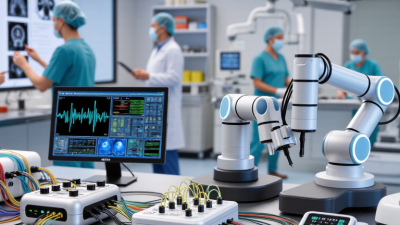
Real-world experience reveals more than a product brochure. A rehabilitation device may perform well in a laboratory but feel uncomfortable during a busy hospital session. Adjustable sensors, washable contact surfaces, and stable cables improve daily use. However, no device is perfect. A highly sensitive system may still produce unclear results when patients move unexpectedly. This limitation deserves honest discussion. Clinicians should compare independent evidence, patient feedback, training needs, and total ownership costs before choosing. The strongest option is usually accurate, secure, adaptable, and supported by qualified professionals.
How Are China’s Neurological Devices Tested, Approved, and Used?

What Is the Best China Neurological Disorders Device?

China’s neurological devices are tested through risk-based procedures before reaching hospitals. Developers usually assess electrical safety, biocompatibility, software performance, and manufacturing consistency. Diagnostic devices may include electroencephalography systems, nerve monitors, or imaging-related equipment. Therapeutic devices require closer scrutiny because they directly affect patients.

The National Medical Products Administration reviews device classification, technical documents, and clinical evidence. Higher-risk products may need clinical trials in approved medical institutions. Ethics committees examine patient protection, informed consent, and data handling. Test results should be traceable, reproducible, and supported by qualified laboratories. Paperwork matters, but it does not replace careful clinical judgment.

After approval, trained neurologists or technicians use these devices under hospital protocols. They check calibration, electrode placement, patient history, and possible interference from other equipment. Follow-up records can reveal performance problems that laboratory testing missed. A device may pass formal tests yet feel difficult to use during a crowded clinic session. That gap deserves attention. Real-world feedback, adverse-event reporting, software updates, and periodic maintenance influence continued safety. Evidence can also remain limited when studies involve small groups or short follow-up periods. Professionals should compare published data, regulatory status, training requirements, and local support before selecting a device.

What Is the Best China Neurological Disorders Device? - How Are China’s Neurological Devices Tested, Approved, and Used?

Device category Typical neurological use Common regulatory classification in China Main testing and evidence requirements Approval route Best selection criterion
Electroencephalography systems Seizure assessment, epilepsy monitoring, sleep studies, and evaluation of abnormal brain electrical activity. Usually Class II or Class III, depending on intended use, diagnostic claims, and clinical risk. Electrical safety, electromagnetic compatibility, biocompatibility of patient-contacting parts, software validation, alarm performance, and clinical evaluation where required. Registration with the applicable Chinese medical-device authority; higher-risk products generally require more extensive technical and clinical evidence. Signal quality, channel configuration, artifact reduction, recording stability, and compatibility with hospital information systems.
Electromyography and nerve-conduction systems Assessment of peripheral neuropathy, radiculopathy, neuromuscular junction disorders, and motor-neuron conditions. Commonly Class II; classification depends on the device’s functions and intended clinical purpose. Electrical safety, measurement accuracy, stimulation-output verification, electromagnetic compatibility, software testing, and usability assessment. Product registration or filing according to the assigned class, with technical documentation and applicable testing reports. Accuracy of latency and amplitude measurements, reproducibility, stimulation control, and ease of electrode placement.
Magnetic resonance imaging systems Structural and functional imaging of the brain, spine, cranial nerves, and other neurological anatomy. Generally Class III because of high energy output and potentially serious patient risks. Magnetic-field and radio-frequency safety, specific absorption rate assessment, image performance, acoustic noise, electromagnetic compatibility, software validation, and clinical evaluation. Class III registration generally involves a detailed technical review and, where applicable, clinical-trial or equivalent clinical evidence. Field strength appropriate to the clinical service, image quality, patient safety controls, uptime, and availability of trained operators.
Ultrasound neuroimaging and Doppler systems Assessment of cerebral blood flow, carotid circulation, and selected transcranial vascular conditions. Often Class II, subject to the product’s intended use and risk profile. Acoustic output and thermal safety, image and Doppler performance, electrical safety, electromagnetic compatibility, software verification, and clinical evaluation. Registration or filing under the applicable device category, supported by technical specifications and testing documentation. Doppler sensitivity, measurement repeatability, probe ergonomics, portability, and operator training requirements.
Intracranial-pressure monitoring systems Monitoring patients at risk of raised intracranial pressure after traumatic brain injury, hemorrhage, hydrocephalus, or neurosurgery. Frequently Class III because the device may directly influence urgent clinical management and may be invasive. Accuracy and drift testing, pressure-range verification, sterility and packaging validation for sterile products, biocompatibility, electrical safety, and clinical evidence. Class III registration with comprehensive technical documentation and clinical evidence as required by the product’s risk and claims. Measurement stability, alarm reliability, compatibility with intensive-care monitoring, sterility assurance, and rapid clinical deployment.
Deep-brain-stimulation systems Adjunctive treatment for selected movement disorders, including appropriately evaluated Parkinsonian symptoms and tremor. Generally Class III because the system is implanted and delivers electrical stimulation to the nervous system. Implant biocompatibility, sterility, battery and stimulation performance, electrical and electromagnetic safety, software and cybersecurity validation, durability, and clinical trials or accepted clinical evidence. Class III registration and enhanced post-market surveillance; use is limited to approved indications and labeling. Clinical evidence for the target indication, programming flexibility, implant longevity, MRI conditions, surgical workflow, and long-term follow-up support.
Neurovascular intervention devices Endovascular management of selected aneurysms, ischemic stroke, and other cerebrovascular disorders. Usually Class III because these devices are invasive and may be used in life-threatening conditions. Dimensional and mechanical testing, fatigue and torque testing, catheter performance, sterility, biocompatibility, packaging validation, simulated-use testing, and clinical evidence. Class III registration with detailed risk analysis, technical testing, and clinical evidence appropriate to the indication. Deliverability, radiopacity, deployment accuracy, compatibility with local clinical protocols, and evidence for the precise vascular indication.
Neuroendoscopes and neurosurgical visualization systems Endoscopic procedures involving hydrocephalus, ventricular access, biopsy, and selected minimally invasive neurosurgical operations. Often Class II or Class III depending on invasiveness, sterility, and intended use. Optical performance, mechanical strength, electrical safety, sterilization compatibility, biocompatibility of patient-contacting components, software testing, and usability evaluation. Registration or filing based on classification; sterile and invasive configurations generally require more extensive evidence. Image resolution, field of view, instrument compatibility, sterilization workflow, reliability, and surgeon ergonomics.
Rehabilitation and neuromuscular stimulation systems Rehabilitation support for selected motor impairments, muscle weakness, spasticity, and functional recovery programs. Frequently Class II; classification can change when the device makes treatment claims or includes invasive functions. Output accuracy, electrical safety, electromagnetic compatibility, skin-contact biocompatibility, software and alarm testing, usability, and clinical evaluation for therapeutic claims. Registration or filing according to the assigned class, followed by use within approved indications and instructions. Controlled stimulation parameters, patient safety limits, measurable functional outcomes, therapist training, and maintenance support.

How neurological devices are generally tested, approved, and used in China

  • China uses a risk-based medical-device classification system: Class I is the lowest risk, Class II is moderate risk, and Class III is the highest risk.
  • Testing may include applicable mandatory standards, electrical safety, electromagnetic compatibility, biocompatibility, sterilization, software validation, cybersecurity, packaging, durability, and performance testing.
  • The registration pathway depends on classification, intended use, technical characteristics, and whether clinical evaluation or a clinical trial is required.
  • Class II and Class III devices generally require registration, while Class I devices are generally subject to filing requirements; the responsible authority depends on the device class and regulatory scope.
  • After approval, devices must be used according to approved indications, labeling, instructions for use, operator-training requirements, and hospital quality-control procedures.
  • There is no single best neurological device for every patient. The appropriate choice depends on the disorder, intended clinical outcome, evidence quality, safety profile, workflow, and the qualifications of the medical team.

Regulatory classification and evidence requirements are product-specific and may change when the intended use, invasiveness, software function, or clinical claims change.

How Should Buyers Compare Safety, Performance, and Clinical Support?

What makes the best China neurological disorders device? Buyers should compare evidence, not impressive specifications. The WHO’s Global Status Report on Neurology estimates that over three billion people lived with neurological conditions in 2021. This scale increases pressure on hospitals to select reliable equipment. Safety begins with electrical protection, biocompatibility, software controls, and clear risk-management records. Check testing against IEC 60601 standards and request post-market surveillance data. A certificate alone is not enough.

Performance should match the clinical task. Compare signal quality, measurement repeatability, setup time, and compatibility with existing hospital systems. Ask for peer-reviewed validation, sample reports, and failure-rate data. The FDA’s 2023 Medical Device Recall Report shows that software, manufacturing, and labeling issues remain recurring safety concerns across medical devices. Therefore, buyers should examine update procedures and complaint-handling records. A device may perform well in demonstrations, yet behave differently in a crowded ward. That possibility deserves attention.

Tips: Create a weighted scorecard before vendor meetings. Give safety and clinical evidence higher weights than price. Test the device with real patient workflows. Ask whether engineers can provide local response times, user training, spare-part plans, and multilingual manuals. Request references from comparable hospitals. Do not accept vague claims. No scorecard is perfect. Recheck assumptions after a pilot, because clinical convenience can expose weaknesses that laboratory testing misses.

What Is the Best China Neurological Disorders Device?

A practical 100-point procurement framework for comparing neurological-disorder devices by safety, performance, clinical evidence, and ongoing support. The weighting is a transparent buyer evaluation model rather than a ranking of any company or brand.

Safety and regulatory compliance receive the highest weight because medical electrical safety, risk management, biocompatibility where applicable, and documented quality controls are prerequisites for clinical use. Clinical evidence and measurable performance should then be verified against the intended neurological indication, while training, maintenance, calibration, and post-market response determine long-term clinical support.