China Best Hip Arthrosis System for Global Buyers?

Choosing the China Best Hip Arthrosis System for Global Buyers? This question requires more than comparing prices, packaging, or delivery promises. A reliable Hip arthrosis system should support the complete treatment pathway, from imaging and surgical planning to implant selection, instruments, and follow-up care. Buyers must examine design history, clinical evidence, material quality, sterilization controls, and technical support. A low purchase price can become expensive when training, replacement parts, or documentation are missing.

Sir John Charnley, a pioneer of modern hip replacement, stated, “The most important single factor in the success of total hip replacement is the surgeon.” His words still matter. Even a carefully engineered system cannot replace clinical judgment, appropriate patient selection, or disciplined surgical technique. Global hospitals should therefore assess supplier training, surgeon feedback, traceability, and post-market surveillance. These details may look ordinary. They protect real patients.

This introduction will examine how Chinese manufacturers compare in product consistency, regulatory readiness, customization, and international service. It will also consider evidence from hospitals, not only factory brochures. Standards differ across markets, and certification alone does not prove long-term performance. That point deserves attention. Some suppliers present polished documents but provide limited independent data. Others may offer practical support yet communicate poorly in English. Neither situation should be ignored. The strongest choice balances engineering, clinical usability, transparent evidence, and dependable communication. No system is perfect. A thoughtful buyer should ask difficult questions before signing a purchase agreement.

China Best Hip Arthrosis System for Global Buyers?

Understanding Hip Arthrosis and Its Surgical Treatment Needs

China Best Hip Arthrosis System for Global Buyers?

Understanding Hip Arthrosis and Its Surgical Treatment Needs

Hip arthrosis, or hip osteoarthritis, gradually damages the smooth cartilage inside the joint. Patients may feel groin pain, stiffness, and reduced walking distance. Climbing stairs can become difficult. Pain changes daily.

Diagnosis usually combines medical history, physical examination, and weight-bearing X-rays. Imaging may show reduced joint space, bone growth, or changes in the femoral head. Treatment often begins with exercise, weight management, pain control, and activity adjustments. These measures can help, but they do not rebuild lost cartilage.

When pain persists and daily function declines, total hip replacement may become appropriate. A surgical system normally includes a femoral stem, femoral head, acetabular cup, liner, and dedicated instruments. The surgeon must match implant geometry with bone quality, anatomy, and surgical technique. Cemented and cementless fixation serve different clinical needs. There is no universal best system.

For global buyers, clinical evidence matters more than a polished catalogue. Review material safety data, sterilization instructions, traceability records, sizing ranges, and regulatory documentation. Instrument accuracy also deserves close attention. A small mismatch can affect surgical efficiency and implant positioning. Training, after-sales support, and replacement-part availability influence long-term reliability.

Procurement teams may focus heavily on price. That is understandable, but incomplete. Lower purchase costs can bring hidden burdens, including limited sizes or weak technical support. A careful evaluation should include surgeon feedback, hospital workflow, patient follow-up, and local regulatory requirements. Even a strong system needs proper selection and skilled use.
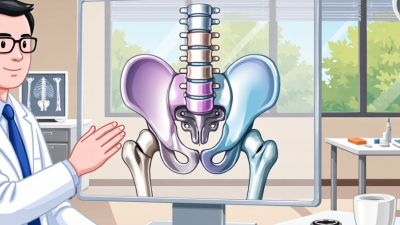

Key Components of a Hip Arthrosis Treatment System

China Best Hip Arthrosis System for Global Buyers?

Key Components of a Hip Arthrosis Treatment System

For global buyers, a hip arthrosis system should mean more than an implant. It should connect diagnosis, treatment, rehabilitation, and follow-up. The Global Burden of Disease Study 2021 estimated 595 million people lived with osteoarthritis in 2020. Hip disease affects mobility, work, and sleep. A reliable system therefore begins with weight-bearing radiographs, clinical examination, pain scoring, and functional assessment. MRI may help when symptoms and X-rays disagree. It is not always necessary.

The treatment pathway should include exercise guidance, weight management, pain control, and shared decision-making. The AAOS clinical practice guideline supports physical therapy and selected anti-inflammatory options for appropriate patients. Surgical planning then requires accurate templating, instrument compatibility, sterile packaging, and clear sizing information. Implant materials, fixation methods, and wear performance need documented testing. These details matter on a crowded operating table.

Rehabilitation is another key component. Patients need progressive walking plans, wound instructions, warning signs, and scheduled outcome checks. Digital records can track pain, range of motion, readmission, and revision rates. ISO 13485-based quality management, batch traceability, biocompatibility evidence, and post-market surveillance strengthen buyer confidence. Paperwork alone is not enough. A polished system can still fail through poor training or inconsistent local support. That uncomfortable gap deserves more attention. Global buyers should examine real clinical evidence, surgeon feedback, service response times, and transparent risk communication before calling any system “best.”

China Best Hip Arthrosis System for Global Buyers? - Key Components of a Hip Arthrosis Treatment System

System Stage Key Component Primary Purpose Common Data or Specification Buyer Evaluation Points Relevant Clinical or Quality Reference
Clinical Assessment Patient history and physical examination Identify hip pain, functional limitation, gait changes, stiffness, and alternative causes of symptoms. Assessment commonly includes pain location, walking tolerance, range of motion, leg-length difference, muscle strength, and neurovascular status. Use a standardized assessment form; document baseline symptoms and functional limitations before treatment. Evidence-based osteoarthritis assessment and hip examination principles.
Patient-Reported Outcomes Hip function and pain questionnaires Measure pain, daily function, and quality-of-life changes over time. The Oxford Hip Score contains 12 questions and is commonly scored from 0 to 48, with higher scores generally indicating better hip function. Check translated-language availability, scoring consistency, secure data storage, and pre- and post-treatment reporting. Validated patient-reported outcome methodology for hip disorders.
Diagnostic Imaging Pelvic and hip radiography Confirm radiographic osteoarthritis and assess joint-space loss, osteophytes, sclerosis, deformity, and bone quality. Common views include anteroposterior pelvis and a lateral hip view; positioning and image calibration are important for planning. Verify image quality, laterality labeling, calibration capability, radiation protection, and compatibility with digital planning software. Standard orthopedic radiographic evaluation practice.
Advanced Planning CT imaging and three-dimensional planning Support complex anatomy evaluation, revision planning, bone-defect assessment, and patient-specific surgical preparation. Useful when deformity, previous implants, severe bone loss, or unusual anatomy limits standard radiographic planning. Review DICOM compatibility, data security, segmentation accuracy, export formats, and surgeon approval workflow. Medical imaging and digital surgical-planning requirements.
Non-Surgical Management Exercise, education, weight management, and pain control Reduce symptoms and improve mobility before considering surgery. Treatment may include therapeutic exercise, activity modification, walking aids, and medication selected according to patient risk factors. Require documented contraindications, medication review, physiotherapy protocols, and escalation criteria. Guideline-based conservative care for hip osteoarthritis.
Surgical Indication Total hip arthroplasty decision pathway Determine whether joint replacement is appropriate after clinical evaluation and non-surgical treatment. Common considerations include persistent pain, functional impairment, radiographic disease, and insufficient response to non-surgical care. Use shared decision-making; evaluate infection risk, bone quality, comorbidities, expectations, and rehabilitation capacity. National clinical guidance for referral and joint-replacement decisions.
Acetabular Implant Acetabular shell and liner Replace the damaged socket surface and provide an articulating bearing surface. Common configurations include a metal shell with a polymer liner or a ceramic liner; fixation may be cementless or cemented depending on the surgical plan. Assess size range, fixation method, liner locking mechanism, radiographic markers, compatibility, and revision options. Applicable implant design, mechanical testing, and biocompatibility standards.
Femoral Implant Femoral stem and femoral head Replace the femoral head and provide stable femoral fixation and hip articulation. Stem fixation may be cemented or cementless; femoral heads are available in different diameters and materials according to the selected bearing system. Review anatomical and standard stem options, size increments, offset choices, neck geometry, taper compatibility, and extraction tools. Applicable hip-joint prosthesis performance and dimensional requirements.
Bearing Pair Articulating material combination Provide low-friction movement between the femoral head and acetabular liner. Common combinations include ceramic-on-polymer, metal-on-polymer, and ceramic-on-ceramic; selection depends on patient factors and surgeon preference. Confirm wear testing, material traceability, compatibility limits, cleaning instructions, and availability of matched components. Material safety, wear, fatigue, and implant-performance testing requirements.
Surgical Instruments Reamers, broaches, trial components, impactors, and extraction tools Prepare the acetabulum and femur, verify implant size, and support accurate component insertion. Instrument sets should correspond to the implant geometry and include trial liners, trial heads, offset options, and essential revision tools. Evaluate ergonomics, corrosion resistance, cleaning validation, sterilization compatibility, tray weight, labeling, and replacement-part availability. Reusable medical-device processing and surgical-instrument quality requirements.
Infection Prevention Sterile packaging and contamination-control process Maintain implant sterility and reduce the risk of periprosthetic joint infection. Packaging should protect against damage and microbial contamination throughout transport and storage until the stated expiry date. Check sterile-barrier validation, seal integrity, sterilization method, expiry labeling, transport testing, and recall traceability. Sterilization validation and sterile-barrier packaging standards.
Perioperative Support Anesthesia, positioning, and operating-room equipment Provide safe patient positioning, anesthesia delivery, monitoring, and access during surgery. Typical requirements include radiolucent or compatible operating tables, patient warming, suction, electrosurgery, and physiological monitoring. Verify equipment compatibility, emergency support, electrical safety, maintenance records, and staff training. Hospital operating-room safety and perioperative-care protocols.
Rehabilitation Postoperative physiotherapy and mobility program Restore mobility, strength, balance, gait, and independence after treatment. The program may include early mobilization, walking-aid training, progressive strengthening, fall prevention, and wound monitoring. Assess staffing, discharge criteria, patient education materials, follow-up schedule, and access to outpatient therapy. Enhanced-recovery and postoperative rehabilitation principles.
Outcome Monitoring Clinical follow-up and registry data Monitor function, pain, complications, revision surgery, and implant performance. Useful checkpoints include discharge, approximately 6–12 weeks, 1 year, and longer-term follow-up according to local protocol. Track revision, infection, dislocation, fracture, leg-length discrepancy, readmission, and patient-reported outcomes. Orthopedic registry and post-market surveillance principles.
Quality and Regulatory Technical documentation and quality-management system Demonstrate that implants and instruments are consistently designed, manufactured, tested, and monitored. Core documentation may include risk management, biocompatibility, sterilization, mechanical testing, clinical evidence, labeling, and post-market surveillance. For international purchasing, verify the applicable destination-market registration, audit status, batch traceability, complaint handling, and change-control process. ISO 13485 quality management, ISO 14971 risk management, ISO 10993 biological evaluation, and applicable hip-prosthesis standards.
Note: Component selection, fixation method, bearing combination, surgical approach, and rehabilitation protocol must be determined by qualified orthopedic professionals according to patient anatomy, clinical condition, applicable regulations, and hospital requirements.

How to Compare Chinese Hip Arthrosis Systems

China Best Hip Arthrosis System for Global Buyers?

How to Compare Chinese Hip Arthrosis Systems

Comparing Chinese hip arthrosis systems requires more than checking the purchase price. Start with clinical evidence, implant materials, and documented performance. Look for peer-reviewed studies, verified test results, and clear information about fixation methods. The system should match the patient’s bone quality, anatomy, and surgical approach. It should also fit local imaging and operating-room practices.

Examine manufacturing controls closely. Ask about material traceability, sterilization records, batch testing, and packaging integrity. Reliable suppliers should provide regulatory documentation for the destination market. Certificates alone are not enough. Review their scope, validity, and testing laboratories. Request sample technical files before signing a contract. Small details matter, such as instrument accuracy and the availability of backup components.

Surgeon training can influence outcomes as much as the implant design. Check whether practical training, surgical guides, and timely technical support are available. Evaluate delivery schedules, complaint handling, and long-term replacement planning. A low initial price may hide higher costs from delays, revisions, or incompatible instruments. My own comparison process would include an independent clinical review, because supplier data may present an incomplete picture. That is an uncomfortable step, but necessary. No system is perfect. A careful buyer should record weaknesses, not only advantages.

Quality, Safety, and Regulatory Requirements for Global Buyers

China Best Hip Arthrosis System for Global Buyers?

For global buyers, quality begins with verified manufacturing, not attractive product photos. A hip arthrosis system should show consistent dimensions, material certificates, and controlled production records. Ask whether the supplier follows ISO 13485 and applies risk management under ISO 14971. These standards support quality systems, but they do not replace local market approval. Safety also depends on biocompatibility testing, validated sterilization, packaging integrity, and clear surgical instructions. Request evidence linked to the exact product configuration. Generic documents can create serious gaps.

Regulatory requirements vary across regions. Buyers may need documentation for EU MDR, United States FDA pathways, or other national authorities. Confirm classification, clinical evidence, labeling language, UDI obligations, and post-market surveillance duties. A factory audit should examine incoming materials, clean areas, calibration records, and complaint handling. Small details matter. A missing batch record can weaken traceability during a recall. No checklist is perfect. I have seen technically strong files still fail because responsibilities were unclear after shipment.

Tips: Compare certificates with the actual facility name and product scope. Request recent test reports, not only summaries. Review sample implants and packaging under realistic handling conditions. Clarify who manages adverse-event reporting and field corrections. Keep written records of every regulatory claim. Independent clinical and regulatory review is wise, especially when evidence appears unusually polished.

China Best Hip Arthroplasty System for Global Buyers?

Key international standards commonly reviewed when assessing hip arthroplasty systems for quality, safety, risk management, biocompatibility, and mechanical performance. The year shown is the publication year of the referenced edition, not an approval date.

Global buyers should verify the current edition, national adoption, product-specific testing, clinical evidence, quality-management certification, post-market surveillance, and the applicable regulatory pathway in the destination market. Standards and regulatory requirements may change by jurisdiction and device classification.

Procurement, Installation, Training, and After-Sales Support

China Best Hip Arthrosis System for Global Buyers?
For global buyers, procurement should begin with clinical needs, not catalog photos. A hospital should define imaging requirements, operating-room space, patient volume, and surgeon preferences. Request complete specifications, service terms, training plans, and installation requirements. Check product certifications for the destination market. Verify electrical standards, software language options, and replacement-part availability. A low purchase price may hide expensive maintenance later.
Installation requires careful site preparation. The supplier should provide layout drawings, power requirements, network details, and equipment clearance measurements. During delivery, inspect packaging for moisture or impact damage. A qualified engineer should test alignment, controls, safety functions, and image quality. Record every result. Small gaps in documentation can create large problems later. This part is often underestimated.
Training should include surgeons, nurses, technicians, and biomedical engineers. Practical sessions work better than slide presentations alone. Staff can practice patient positioning, daily checks, emergency procedures, and basic troubleshooting. Training records support accountability and future onboarding. After-sales support should offer clear response times, remote diagnosis, preventive maintenance, and access to critical spare parts. Ask how service works across time zones. Also ask who pays for travel and on-site repairs. Some buyers focus heavily on installation, then discover that local technical support is limited. That mistake is avoidable, but not always avoided. A realistic procurement review should include user feedback after the first three months.