How to Choose the Best Device for Neurological Disorders
Choosing a neurological disorders device begins with a clear question: what daily problem should it help address? Devices may support movement, communication, symptom tracking, or a clinician’s treatment plan. These functions are not interchangeable. A tool that records tremors, for example, may provide useful patterns but cannot diagnose a condition on its own. The right choice depends on the person’s symptoms, abilities, goals, and care team.
Look beyond product claims. Ask what evidence supports the device, who it is designed for, and what training or follow-up it requires. Consider practical details: Can the person fasten a wrist sensor with limited hand movement? Is its screen readable in bright light? How often must it be charged, cleaned, or calibrated? Check privacy settings, data-sharing practices, warranty terms, and total costs. If possible, request a demonstration and involve the person who will use it every day. Small details matter.
A neurologist, therapist, or other qualified professional can help compare options and identify safety concerns. Bring questions about side effects, compatibility with existing care, and how progress will be measured. No device is perfect. A promising feature may prove frustrating at home, while a simple design may be easier to use consistently. That deserves reflection. Try to define what success would look like before purchasing, then review whether the device meets that goal after a reasonable trial. The best choice is not necessarily the newest or most advanced. It is the one that fits the individual, has credible support, and can be used safely in real life.
Understanding Neurological Devices and Their Intended Uses
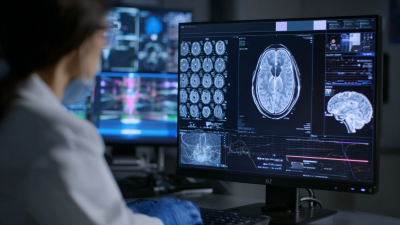
Neurological devices serve different purposes: some detect changes, while others deliver treatment or support daily function. An electroencephalography system records brain activity through scalp electrodes; it does not treat seizures. Deep brain stimulation uses implanted electrodes for specific movement disorders. Communication boards and mobility aids address practical needs. Purpose matters.
The World Health Organization’s 2024 Global Status Report on Neurology estimates that 3.4 billion people worldwide lived with a neurological condition in 2021. A related Global Burden of Disease study in The Lancet Neurology reported 443 million disability-adjusted life-years linked to nervous system conditions that year. These figures show why “neurological device” is too broad to guide a choice. The right question is what the device is intended to do for a particular person.
With a neurologist or rehabilitation specialist, clarify whether the goal is diagnosis, monitoring, symptom relief, or greater independence. Check the device’s intended population, evidence, training requirements, and known risks. For example, electrode gel can irritate sensitive skin, while implanted devices require follow-up care. Ask how success will be measured in everyday life, not only in a clinic. Categories can blur, and a device that helps one person may offer little benefit to another.
Matching Device Functions to a Diagnosis and Individual Needs
A useful device starts with a specific goal, not a diagnosis label alone.
Two people with Parkinson’s disease, for example, may need different support: one may struggle with freezing while walking, another with hand tremors during meals. Devices designed to support movement can have different purposes and limits. For epilepsy, a seizure-alert device may help notify a caregiver, but it does not prevent every seizure or replace medical care. Ask a neurologist what a device can reasonably do for your symptoms.
Daily routines matter, too.
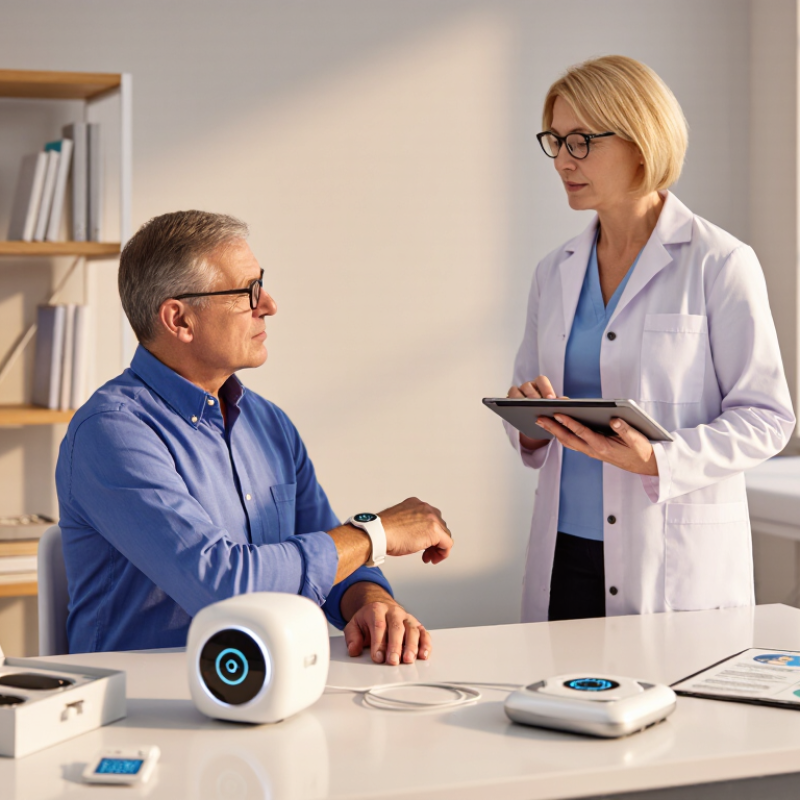
Can you put it on with stiff fingers? Is the alert loud enough to hear from another room? Will you remember to charge it, and can you tolerate wearing it overnight? A small detail, like a strap rubbing your wrist, can make a promising device unusable. Consider whether you need help with mobility, communication, medication reminders, or symptom monitoring. These functions are not interchangeable.
Whenever possible, request a supervised trial or assessment before committing.
A rehabilitation specialist or clinician can help check fit, safety, and compatibility with other care. Keep notes on comfort, missed alerts, and tasks that remain difficult; those details are more useful than a feature list. No checklist catches everything. A device may work well in a clinic and feel awkward at home, so be willing to reassess the choice.
Comparing Device Types, Features, and Treatment Goals
How to Choose the Best Device for Neurological Disorders
Device choice depends on the diagnosis, symptoms, and treatment goal—not on how advanced a device looks. Deep brain stimulation uses implanted electrodes to target specific brain circuits and may be considered for selected movement disorders. Vagus nerve stimulation delivers electrical pulses through an implanted system and is used for certain seizure disorders. Transcranial magnetic stimulation is noninvasive and may suit specific conditions, while wearable devices can support movement practice or daily function. These options are not interchangeable. A device that helps one symptom may not address another.
The World Health Organization’s 2024 Global Status Report on Neurology estimates that more than 3 billion people lived with a neurological condition in 2021. That scale makes careful matching important. Compare evidence for your diagnosis, likely benefits, maintenance needs, and possible side effects. Ask how progress will be measured: fewer seizures, steadier steps, or easier daily tasks? A neurologist can explain whether a device fits your history and other treatments. The evidence can be uneven, and real-life results may differ from study averages.
Tips: Bring a symptom diary and list your treatment goals to the appointment. Ask about follow-up visits, charging or programming needs, and what happens if the device does not help. Small details matter. The choice is not always neat.
Assessing Safety, Evidence, Accessibility, and Compatibility
Choosing a neurological device starts with safety, not impressive features. Ask a neurologist or rehabilitation specialist how it may affect your specific condition and current treatment. Check foreseeable risks, warning signs, and what to do if symptoms change. A device’s benefits may depend on the diagnosis, settings, and daily use. Look for clinical evidence that matches the intended condition and outcome, rather than relying on testimonials or broad claims. Small details matter. Can the device be used safely at home? Does it require supervision, regular cleaning, or follow-up appointments? Keep the instructions available, and ask questions when anything is unclear.
Accessibility is practical, not optional. Consider whether the controls are manageable with tremors, limited mobility, vision changes, or fatigue. Can a caregiver help with setup? Are instructions readable, and is support available in a language you understand? Cost matters too, including replacement parts and ongoing service. Compatibility deserves a close look: check whether the device fits alongside prescribed care, mobility aids, monitoring equipment, or implanted devices. Confirm any concerns with the relevant clinician or device specialist. A neat checklist will not capture every real-life difficulty. That takes patience. Test the setup in the place it will actually be used, and note what feels awkward before making a decision.
Planning a Trial, Monitoring Results, and Reviewing Device Choice
A device trial should begin with one clear goal, such as fewer tremor interruptions or longer periods of comfortable movement. Ask a neurologist whether the device suits the diagnosis, symptoms, medical history, and daily routine. Review possible risks, restrictions, and what the device cannot do. A trial is not proof of benefit. Keep it simple.
Before starting, record a baseline for several days. Note symptom frequency, sleep, medication timing, and activities affected. During the trial, use a paper log or secure digital diary. Track the same details, plus device use and any discomfort. A brief daily note is often more useful than trying to remember the week at an appointment. Patterns matter, but noisy data can mislead; stress or poor sleep may change symptoms too.
Agree on a review date and specific measures with the care team. Bring the device, diary, and questions about comfort, setup, and missed sessions. Compare results with the baseline, not just the best day. If side effects appear or symptoms worsen, contact the clinician rather than changing settings independently. Be willing to reconsider. A device that looks promising in clinic may feel awkward at home, and that matters.