What Are the Top Devices for Neurological Disorders in 2026?
In 2026, devices for neurological disorders are becoming more targeted, adjustable, and closely matched to individual needs. Deep brain stimulators can deliver electrical pulses through implanted leads. Responsive neurostimulation systems monitor brain activity and respond to selected patterns. Wearable sensors can track movement, sleep, or tremor during everyday routines. These tools may support care for conditions such as Parkinson’s disease, epilepsy, and essential tremor, but their benefits differ across patients.
Dr. Alim-Louis Benabid, a pioneer of deep brain stimulation, offers a useful perspective. A fair paraphrase of his work is that stimulation can modulate brain circuits without destroying them. That distinction matters. It also does not mean every device is suitable, risk-free, or effective for every person.
Choosing a neurological disorders device involves more than comparing specifications. Clinicians consider diagnosis, symptoms, treatment history, surgical suitability, and a patient’s daily priorities. A tremor device might be judged by how steadily someone can hold a cup, while a seizure-monitoring system may be assessed by how reliably it detects relevant activity. Small details matter.
This guide examines leading device categories expected to shape neurological care in 2026, including implanted stimulators, neurostimulation wearables, and monitoring technologies. Evidence and regulatory status can change, and promising early results do not guarantee lasting benefit. The field is advancing, but some claims still deserve careful scrutiny.
How Neurological Devices Support Diagnosis and Treatment
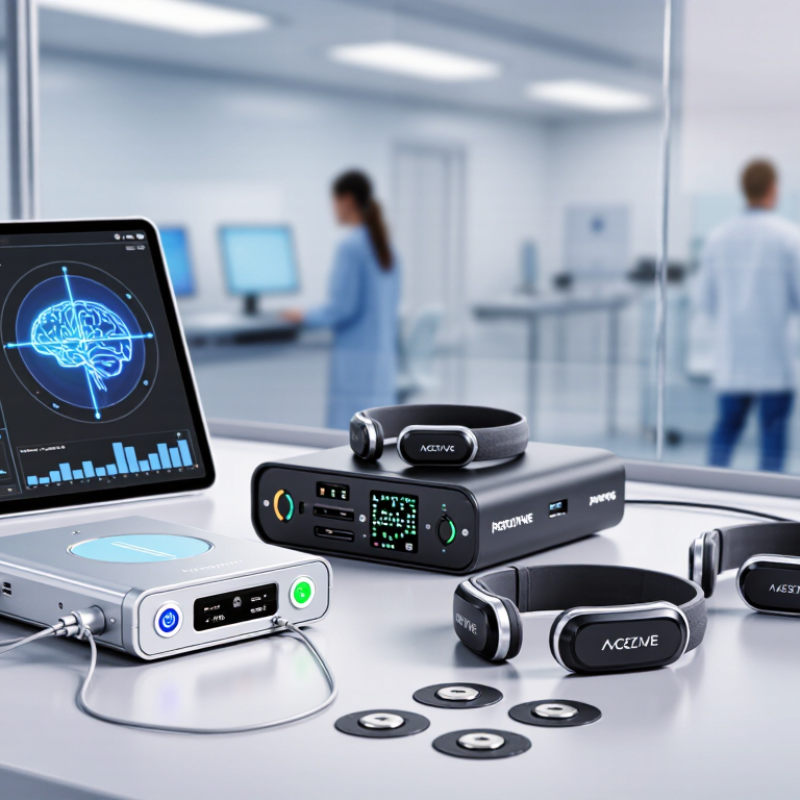
Neurological devices turn symptoms into measurable signals. In a clinic, electroencephalography (EEG) records electrical activity through small scalp electrodes. The patterns can help clinicians assess seizures, sleep disorders, and changes in brain function. Magnetic resonance imaging adds structural detail, while wearable sensors can track movement, tremor, or sleep between appointments. Each tool answers a different question.
The scale of need is substantial. The WHO’s 2024 global status report estimates that more than three billion people lived with a neurological condition in 2021. Diagnosis still depends on clinical history and examination; a device reading alone rarely tells the full story. A normal EEG, for example, does not rule out epilepsy. Context matters.
Devices also support treatment. Deep brain stimulation uses implanted electrodes to deliver carefully controlled pulses for selected movement disorders, while non-invasive stimulation may help clinicians treat some forms of depression or migraine. Continuous monitoring can reveal whether symptoms change with medication, activity, or sleep. Useful, but not perfect. The Global Burden of Disease Study 2021, published in The Lancet Neurology, estimated 3.4 billion people had a neurological condition. That figure signals need, not a promise that one device can solve it. Results should be interpreted by trained professionals, with attention to comfort, access, and possible false alarms.
What Are the Top Devices for Neurological Disorders in 2026?
How neurological devices support diagnosis and treatment
This chart maps common device types to their established clinical roles; it is not a ranking of effectiveness.
A value of 1 means the device type supports that role, and 0 means it is not a primary role.
Responsive neurostimulation both monitors brain activity and delivers stimulation.
Major Types of Devices Used for Neurological Disorders
Neurological disorders call for different tools, because symptoms and treatment goals vary widely. Some devices help clinicians observe brain activity; others deliver therapy or support daily function. The right choice depends on diagnosis, health history, and a specialist’s assessment.
Diagnostic devices include electroencephalography systems, which record electrical patterns through small scalp sensors. Imaging scanners can reveal structural changes, while wearable monitors may track movement, sleep, or seizure-related patterns over time. These tools offer useful evidence, but a recording does not explain every symptom. Context matters.
Treatment devices include transcranial magnetic stimulation, which uses magnetic pulses for certain conditions, and implanted stimulators that deliver electrical signals for selected movement disorders or epilepsy. Seizure-response systems may detect unusual activity and provide stimulation under specific clinical plans. Assistive devices also matter: communication tools, mobility supports, and sensory aids can make everyday tasks more manageable. Small details count. A sensor that irritates the skin or a device that feels cumbersome may be used less consistently. Devices can help, but they are not cures, and benefits differ between people. Choosing one requires discussion of risks, maintenance, comfort, and realistic goals with a qualified care team.
Leading Neurological Devices and Their Clinical Applications in 2026
Neurological devices in 2026 address distinct clinical needs, from movement disorders to epilepsy and stroke recovery. The Lancet Neurology’s 2024 Global Burden of Disease analysis estimated that 3.4 billion people had a neurological condition in 2021, representing 43% of the global population. The scale is striking. Yet prevalence alone cannot show whether patients can access specialist care or maintain devices over time.
Deep brain stimulation can help selected people with Parkinson’s disease, essential tremor, or dystonia by delivering targeted electrical pulses. Responsive neurostimulation monitors brain activity and can respond to abnormal signals in some people with drug-resistant focal epilepsy. Vagus nerve stimulation offers another option for selected epilepsy cases. Transcranial magnetic stimulation uses magnetic pulses, with clinical applications including depression and migraine. For stroke rehabilitation, robotic and wearable systems can support repeated arm or gait practice, while EEG-based monitoring can help clinicians track brain activity.
These devices do not replace diagnosis, medication, or rehabilitation expertise. Fit matters. A device may work well in a trial yet feel cumbersome in daily life; battery changes, clinic visits, and uneven access deserve more attention.
How Neurological Devices Are Selected for Different Conditions
Choosing a neurological device starts with the problem it must solve. Is the goal to detect seizures, ease tremor, or reduce symptoms that resist medication? These require different tools. The World Health Organization’s 2024 neurological-disorders report cites estimates that 3.4 billion people lived with neurological conditions in 2021. That scale makes careful matching essential, not a reason to treat every diagnosis alike.
Deep brain stimulation may be considered for selected movement disorders, while vagus nerve stimulation is an option for some people with drug-resistant epilepsy. EEG systems record brain activity; they help clinicians assess events but do not treat them. Fit matters. Selection depends on diagnosis, symptom pattern, prior treatment, surgical risk, and the person’s daily routine. A device that requires frequent charging or clinic visits may be difficult to sustain.
Clinicians should also weigh evidence for the specific condition, expected benefits, side effects, and follow-up needs. Ask what success would look like: fewer seizures, steadier steps, or better sleep? The answer should be measurable. Wearable monitors can capture patterns at home, but readings may be incomplete and are not a stand-alone diagnosis. This part can be messy; device studies do not always reflect a patient’s real life. Decisions are best made with a neurologist and the patient, using current clinical guidance and individual priorities.
Safety, Access, and Emerging Trends in Neurological Technology
By 2026, “top” neurological devices will mean the safest useful fit, not the most futuristic one. Options include wearable EEG systems, deep-brain stimulation, noninvasive stimulation, and rehabilitation robotics.
WHO’s 2024 Global Status Report on Neurology estimates that more than 3 billion people live with neurological conditions—about one in three worldwide. Devices can support monitoring and rehabilitation, but they cannot replace individual assessment.
Safety depends on careful fitting, clinical follow-up, clear instructions, and secure handling of health data. Emerging systems may use AI to interpret signals or adapt stimulation, yet their performance can vary across people and settings.
Access remains a serious constraint: WHO and UNICEF’s 2022 Global Report on Assistive Technology estimated that 2.5 billion people need one or more assistive products, while nearly one billion lack access. This figure covers assistive technology broadly, not neurological devices alone. A clever device can still be out of reach.
Tips: Ask who will review device data, how often it needs adjustment, and what to do if it causes discomfort. Check training, repair options, and total costs before choosing. A useful question—not always an easy one—is whether the device fits daily life.