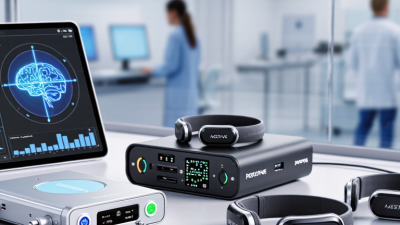
Neurological disorders can change how a person moves, speaks, sleeps, or remembers. In 2026, devices range from deep brain stimulators and wearable sensors to systems that deliver prescribed therapies. Their purposes differ. A tremor-reducing implant is not interchangeable with a device that tracks seizures or supports rehabilitation.
This guide examines what “best” can reasonably mean. It compares intended use, clinical evidence, usability, safety considerations, and access to follow-up care. Dr. Andres Lozano, a neurosurgeon and deep brain stimulation researcher, has described the treatment as “a pacemaker for the brain.” The comparison is useful, but incomplete: brain stimulation requires careful assessment and programming, not merely an implanted device.
The phrase neurological disorders device covers very different technologies, and that can confuse readers. Some devices may reduce symptoms for selected patients; none should be presented as a universal cure. Fit matters. A clinician’s evaluation, the person’s diagnosis, and their daily needs all shape the decision. Regulatory clearances and availability also vary by country, so readers should verify current status locally. This overview offers a practical starting point, not a substitute for medical advice. The details deserve scrutiny.
WHO estimates that about 50 million people worldwide live with epilepsy, making it one of the most common neurological disorders. Its epilepsy fact sheet also reports that nearly 80% of affected people live in low- and middle-income countries. The Global Burden of Disease Study 2019, published in The Lancet Neurology, estimated 50.9 million people had active epilepsy. The need is enormous, but unevenly met. WHO notes that up to 70% of people could become seizure-free with appropriate diagnosis and treatment.
Devices address only part of this gap. Wearable monitors may alert caregivers to certain seizure patterns, while implanted neurostimulation systems can be considered for some people whose seizures resist medication. They do not replace clinical assessment, and a device alert is not a diagnosis. Small detail, big stakes: a missed night-time seizure can leave a family anxious, while false alarms can disrupt sleep. Access to trained specialists, follow-up, and reliable electricity or connectivity also shapes whether a device helps in daily life. In 2026, the most useful device is not automatically the most advanced one. It must fit the person, seizure type, and care setting. That match is still difficult. WHO’s figures describe the scale; they do not show every local barrier.
Neurological devices serve different roles, so classification matters more than a simple “best” label. Deep brain stimulation (DBS) uses implanted electrodes to deliver pulses to targeted brain regions. Vagus nerve stimulation (VNS) sends electrical signals through a device near the chest and a lead around the vagus nerve. Responsive neurostimulation (RNS) monitors brain activity and delivers stimulation when it detects patterns linked to seizures. These systems require specialist assessment and follow-up; they are not interchangeable. Fit, symptoms, treatment history, and personal goals all matter.
Tips: Ask what each device monitors, what it changes, and how often adjustments are needed. For wearables, check comfort, battery life, and whether the measurements are useful in daily life. A tidy chart can make categories seem clearer than they are.
Wearables may track movement, sleep, tremor, or seizure-related events, but readings can miss episodes or flag ordinary activity. They support observation, not diagnosis on their own. Assistive technology takes another path: communication aids, mobility tools, reminder systems, and adapted controls can reduce practical barriers at home or work. Sometimes a simple switch or clear visual prompt helps more than sophisticated hardware. The right choice may change over time, and evidence or access can be uneven. That deserves honest discussion with a qualified clinical team.
Representative neurostimulation frequencies
Deep brain stimulation (DBS), vagus nerve stimulation (VNS), and responsive neurostimulation (RNS) deliver electrical stimulation. The values shown—130 Hz for DBS, 20 Hz for VNS, and 200 Hz for RNS—are representative examples, not universal settings; programming varies by device and patient. Wearables and assistive technologies are omitted because they do not share a standard stimulation-frequency measure.
WHO reported that 8.5 million people had Parkinson’s disease in 2019. The number is striking. It shows why neurological devices deserve careful comparison, not hype. Parkinson’s can affect movement, balance, sleep, and daily tasks, but symptoms differ between people. Wearable sensors may track movement patterns for discussion with a clinician. Cueing devices can provide sound or visual prompts during walking. These tools may support care, but they do not diagnose Parkinson’s or replace treatment.
Devices serve different purposes across neurological conditions. For Parkinson’s, movement tracking or walking cues may be relevant; for epilepsy, some monitors detect patterns that can alert caregivers. A device’s usefulness depends on the person, setting, and quality of evidence behind it. Ask how readings are collected, who can see them, and what action follows an alert. A chart full of data is not automatically helpful. I would also check comfort and battery life—small details can decide whether someone uses a device consistently.
Tips: Bring a short list of symptoms and daily challenges to a clinician. Ask whether a device is suitable, what it cannot do, and how results will guide care. Compare practical fit, not just features. Some answers may remain uncertain, and that matters.
Choosing neurological disorder devices in 2026 requires more than checking whether a device has FDA authorization. Approval applies to specific conditions and patients, not every possible use. For example, responsive neurostimulation was FDA-approved in 2013 for certain adults with focal epilepsy. A nine-year prospective study reported a median 75% reduction in seizure frequency. That matters. The study also found that long-term benefits varied, and seizure reduction did not mean every participant became seizure-free. (Nair et al., Neurology, 2020.)
Safety deserves equal attention. Implantable devices can involve surgical risks, infection, bleeding, device revisions, and ongoing programming visits. Ask clinicians how adverse events were measured, how often follow-up is needed, and what happens if treatment stops helping. Not a cure. The FDA’s public records should be checked for the exact indication and current status; “cleared” and “approved” are not interchangeable. Long-term outcomes also depend on the condition, baseline severity, and patient goals.
The scale of need is substantial: a 2024 analysis in The Lancet Neurology estimated that 3.4 billion people had a neurological condition in 2021. That figure does not show that devices suit everyone. It does underline why careful evidence matters. I would compare trial results with daily realities: fewer seizure-related interruptions, manageable side effects, and practical access to specialist care. The evidence is uneven, and that is worth saying plainly. A promising device still needs individualized assessment.
| Device type | Disorder and typical use | FDA status | Clinical evidence | Long-term outcomes | Key safety considerations |
|---|---|---|---|---|---|
| Responsive neurostimulation (RNS) | Adjunctive treatment for adults with drug-resistant focal epilepsy when seizures originate from one or two identified seizure-onset areas. | FDA-approved for a defined group of adults with medically refractory focal-onset seizures; eligibility and use should be checked against current labeling. | A pivotal randomized study found greater seizure reduction with active stimulation than with the control condition during the blinded phase. Evidence supports seizure reduction, not a cure. | In a prospective long-term study, median seizure reduction reached 75% at nine years; 73% of participants had at least a 50% reduction. The extension was open-label, so results may not generalize to every patient. | Implantation risks include infection and bleeding. Stimulation-related effects and hardware complications can occur; seizures may continue and require ongoing medication and device follow-up. |
| Vagus nerve stimulation (VNS) | Adjunctive therapy for drug-resistant epilepsy, generally used alongside antiseizure medication. | FDA-approved for specified epilepsy indications. Age limits and eligible seizure types depend on the current device labeling. | Randomized trials and subsequent observational studies support a reduction in seizure frequency for some patients. Response varies, and complete seizure freedom is not the expected result for most patients. | Observational follow-up suggests that seizure reduction can improve over time for some people. Long-term estimates are affected by attrition, changes in medication, and differences among studies. | Common effects include hoarseness, cough, throat discomfort, or shortness of breath during stimulation. Surgical risks include infection and injury; stimulation settings may need adjustment. |
| Deep brain stimulation (DBS) | Parkinson’s disease with inadequately controlled motor symptoms or medication-related fluctuations in appropriately selected patients. | FDA-approved for specific Parkinson’s disease indications. Selection criteria, stimulation targets, and timing are determined by specialist assessment and current labeling. | Controlled trials show improvement in motor symptoms and, for selected patients, motor function or quality of life compared with medical therapy alone. It is not a treatment that stops the underlying disease process. | Motor benefits can persist for years, but Parkinson’s disease continues to progress. Gait, balance, speech, and cognitive symptoms may respond less well or worsen over time. | Risks include brain hemorrhage, infection, hardware problems, mood or cognitive changes, and stimulation-related speech or balance effects. Surgery and programming require multidisciplinary care. |
| DBS for essential tremor | Disabling tremor that has not responded adequately to medication, most commonly involving the hands. | FDA-approved for essential tremor under specified indications; candidacy depends on symptoms, health status, and current labeling. | Clinical studies and long-term cohorts show substantial tremor reduction in many patients. The evidence base includes controlled studies as well as observational follow-up. | Benefit may remain useful for years, although tremor can recur or worsen. Changes in stimulation settings may help; disease progression or reduced response can limit benefit. | Potential complications include surgical bleeding or infection, lead or battery problems, speech changes, tingling, and balance or gait difficulties. The system requires programming and maintenance. |
| Magnetic resonance-guided focused ultrasound thalamotomy | Lesioning treatment for selected people with medication-resistant essential tremor, usually targeting one side of the brain and the opposite side of the body. | FDA-approved for defined essential-tremor indications. It is an incisionless procedure, but it creates a permanent brain lesion and is not equivalent to adjustable stimulation. | A sham-controlled trial found greater improvement in treated-hand tremor after the procedure than after sham treatment. Clinical trials support benefit in carefully selected patients. | Follow-up studies report sustained tremor improvement in many patients several years after treatment. Long-term data are less extensive than the initial trial evidence, and effects are not adjustable after the lesion is made. | Numbness, tingling, imbalance, and gait disturbance can occur and may persist in some patients. MRI compatibility, skull characteristics, and procedural eligibility must be assessed. |
| Repetitive transcranial magnetic stimulation (rTMS) | Noninvasive brain stimulation used for certain patients with major depressive disorder, a brain disorder commonly managed in neurological and psychiatric care. | FDA-cleared for specific depression indications and protocols. Clearance is indication- and protocol-specific; it should not be interpreted as approval for every neurological condition. | Randomized trials and meta-analyses support antidepressant benefit for some patients. Results depend on the stimulation protocol, treatment course, and individual clinical factors. | Some patients maintain improvement; others relapse or need further treatment. Long-term outcomes vary, and evidence does not establish a permanent effect after one treatment course. | Scalp discomfort and headache are common. Seizure is a rare but serious risk; screening for seizure risk and implanted metal or electronic devices is important. |
Evidence references: Responsive neurostimulation long-term study; Vagus nerve stimulation evidence; Parkinson’s disease DBS evidence; Essential tremor DBS evidence; Focused ultrasound essential tremor evidence; rTMS depression evidence.
FDA status and labeling can change. This table summarizes established indications and published evidence; it is not medical advice or a substitute for checking current FDA labeling and consulting a qualified clinician.
The best device depends on the symptom it must address, not its popularity. Wearable sensors may help track tremor, walking patterns, or seizure-related events, but readings are not diagnoses. A mobility aid may reduce falls; a communication device may make daily conversations easier. For implanted or stimulation devices, discuss likely benefits, risks, and follow-up with a qualified clinician. Fit matters. So does training.
Match choices to real routines. Can the person manage small buttons with limited hand control? Is the device comfortable during a commute, or too heavy after an hour? Check battery life, charging needs, repair options, data privacy, and total cost. Coverage and local services vary, so ask about a trial, loan program, or occupational therapy assessment. A promising device can still disappoint if support is hard to reach. That is worth admitting.
Tips: Write down one practical goal, such as walking safely to the kitchen or making calls independently. Test devices in the setting where they will be used, and note comfort, setup time, and unwanted effects. Bring those notes to the care team. Reassess when symptoms or priorities change. No device fits everyone.
*The content on this website is for general informational purposes only and should not be taken as medical advice. Please contact your physician or therapist to learn what therapy solution is suitable for your specific needs. Not all products, features, or indications shown are approved in all countries.